How Automated Dumpster Scheduling Transforms Truck Utilization
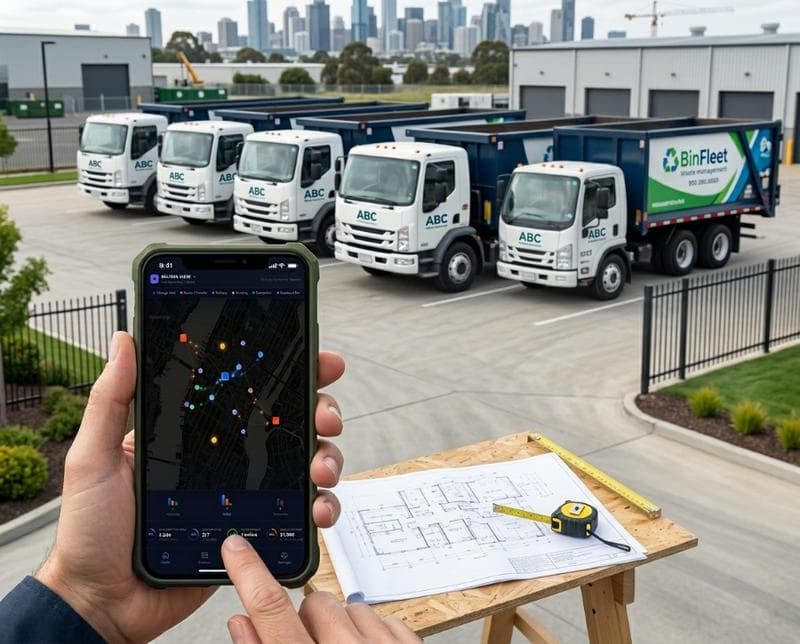
The average waste hauling truck spends nearly 40% of its operational time running empty routes between job sites. This inefficiency costs operators thousands in fuel, labor, and missed revenue opportunities every month. As fuel prices climb and driver shortages intensify, automated scheduling powered by artificial intelligence has become the competitive advantage that separates thriving haulers from those struggling to maintain margins.
Traditional dispatching methods rely on human intuition and basic route planning, often creating inefficient patterns that send trucks across town multiple times per day. AI-powered scheduling systems analyze pickup locations, delivery sites, traffic patterns, and container inventory in real-time to create optimized routes that minimize deadhead miles while maximizing truck utilization. The result is a 35% reduction in empty miles and the ability to serve 25% more customers with the same fleet size.
The Hidden Costs of Manual Scheduling
Manual scheduling creates a cascade of inefficiencies that extend far beyond wasted fuel. When dispatchers rely on spreadsheets or basic routing software, they typically assign jobs based on geographic proximity without considering container availability, truck capacity, or optimal delivery sequences. This approach frequently results in trucks making multiple trips to the same neighborhoods, driving empty between distant job sites, or arriving at locations without the right container sizes.
The financial impact compounds quickly across daily operations. A single truck making unnecessary empty runs can waste 2-3 hours per day, costing operators $150-225 in labor and fuel expenses while reducing potential revenue by $400-600. When multiplied across a fleet, these inefficiencies can drain tens of thousands from monthly profits while limiting growth opportunities that require maximum truck utilization.
How AI Scheduling Algorithms Work
Modern AI scheduling systems process dozens of variables simultaneously to create optimal route sequences. The algorithms consider real-time traffic conditions, container inventory levels, truck capacity constraints, driver hours, and customer time windows to generate routes that minimize total travel time while maximizing productive work. Machine learning components continuously analyze historical data to identify patterns and improve future scheduling decisions.
The system automatically adjusts throughout the day as new orders arrive or conditions change. When a customer requests an emergency pickup, the AI instantly recalculates all active routes to determine the most efficient truck assignment and timing. This dynamic optimization ensures that even last-minute changes don't disrupt overall fleet efficiency, maintaining high utilization rates regardless of operational chaos.
Route Optimization Beyond Basic GPS
While basic GPS systems provide turn-by-turn directions, AI scheduling platforms optimize entire fleet movements across multiple time horizons. The technology considers factors like rush hour traffic patterns, construction zones, weight restrictions, and seasonal demand fluctuations when creating daily and weekly schedules. Advanced systems even factor in predictive maintenance schedules to ensure trucks aren't pulled from service during peak demand periods.
The optimization extends to container placement strategies, ensuring trucks carry the right mix of sizes and types for planned routes. Instead of making separate trips for deliveries and pickups, AI systems identify opportunities for backhaul optimization where trucks can pick up containers on return trips. This level of coordination typically increases truck productivity by 30-40% compared to manual scheduling methods.
Real-Time Adaptability and Dynamic Rescheduling
The most significant advantage of AI-powered scheduling lies in its ability to adapt instantly to changing conditions. When trucks encounter unexpected delays, complete jobs faster than anticipated, or face equipment issues, the system immediately recalculates optimal assignments for the entire fleet. This real-time optimization prevents the domino effect of delays that plague manually scheduled operations.
Emergency service requests and same-day orders integrate seamlessly into existing schedules without disrupting planned routes. The AI identifies the closest available truck with appropriate capacity and adjusts surrounding schedules to maintain overall efficiency. Customers receive accurate arrival times while dispatchers avoid the stress of manually reorganizing complex daily schedules.
Integration with Fleet Management Systems
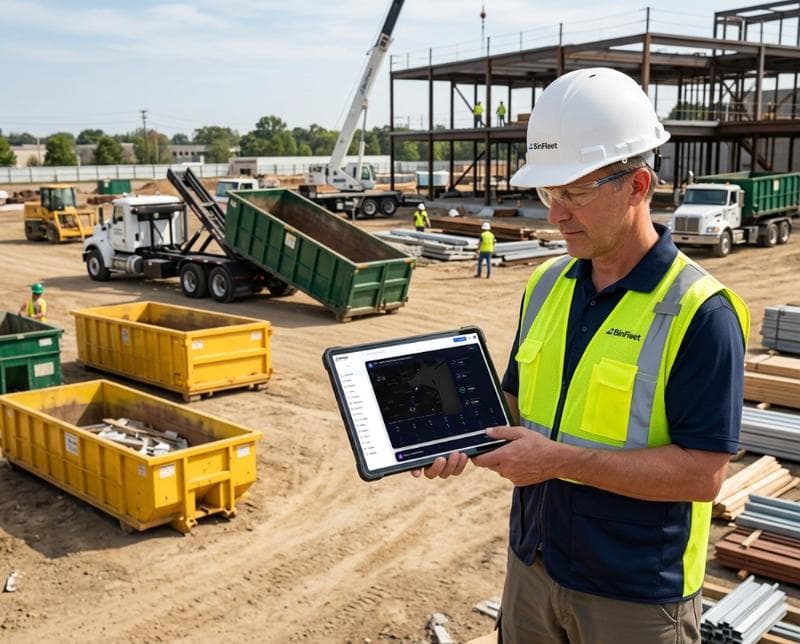
Effective automated scheduling requires seamless integration with existing fleet management infrastructure. Modern platforms like BinFleet's scheduling system connect directly with GPS tracking, fuel monitoring, and maintenance management systems to provide comprehensive operational oversight. This integration enables predictive scheduling that accounts for vehicle maintenance needs and driver availability while optimizing routes.
The scheduling algorithms also integrate with customer management systems to automatically factor in service preferences, access restrictions, and payment status when assigning jobs. This holistic approach ensures that operational efficiency doesn't come at the expense of customer satisfaction, maintaining service quality while maximizing truck utilization rates.
Measuring Success and ROI
Operators typically see measurable improvements within the first month of implementing AI scheduling systems. Key performance indicators include reduced daily mileage, increased jobs per truck per day, improved on-time delivery rates, and decreased fuel consumption. The most successful implementations report 35% reductions in empty miles alongside 25% increases in daily capacity without adding vehicles.
The return on investment extends beyond immediate operational savings to include improved customer satisfaction scores and driver retention rates. When routes are optimized and predictable, drivers experience less stress and frustration, leading to reduced turnover costs. Customers benefit from more reliable service windows and better communication, creating opportunities for premium pricing and contract renewals.
FAQ
How quickly can AI scheduling reduce our empty miles?
Most waste hauling companies see a 20-25% reduction in empty miles within the first two weeks of implementation. The full 35% improvement typically develops over 60-90 days as the AI learns your specific operational patterns and customer preferences.
Does automated scheduling work for small hauling operations?
AI scheduling provides benefits for fleets of any size, though the ROI becomes more compelling with 5+ trucks. Small operators often see the biggest percentage improvements because manual scheduling inefficiencies are more pronounced when dispatchers manage multiple responsibilities.
Can the system handle emergency pickups and schedule changes?
Yes, modern AI scheduling systems excel at dynamic rescheduling. When emergency requests come in, the system instantly identifies the optimal truck assignment and adjusts all affected routes to maintain maximum efficiency throughout the day.
What happens if drivers prefer their regular routes?
The best systems allow operators to set driver preferences and territory assignments while still optimizing within those constraints. This approach maintains driver satisfaction while capturing most of the efficiency gains from automated scheduling.
The waste hauling industry's shift toward automated scheduling represents more than a technology upgrade—it's a fundamental change in how successful operators approach fleet management. Companies that embrace AI-powered optimization position themselves to handle growing demand without proportional increases in operational costs. To see how automated scheduling can transform your fleet utilization, schedule a demonstration and discover the potential savings waiting in your current routes.
Ready to Streamline Your Operation?
See how BinFleet AI helps waste haulers save time, cut costs, and grow.
Request a Free 30-Day Trial