Construction Dumpster Rental: Essential Tips for Waste Hauling Success
Construction dumpster rentals represent one of the most profitable segments in the waste hauling industry, yet they demand a specialized approach that many operators struggle to master. Unlike residential customers who generate predictable household waste, construction sites produce varying volumes of debris, require specific container sizes, and operate under tight project timelines that can make or break your service reputation.
The construction market offers substantial revenue opportunities for waste haulers who understand the unique demands of job sites, contractors, and project managers. Success in this sector requires more than just delivering containers—it demands expertise in debris classification, permit requirements, safety protocols, and flexible service scheduling that aligns with construction project phases.
Understanding Construction Waste Types and Container Selection
Construction debris falls into distinct categories that require different handling approaches, and matching the right container size to specific waste types directly impacts your profitability and customer satisfaction. Heavy materials like concrete, brick, and asphalt generate significant weight in smaller volumes, requiring 10-yard or 20-yard containers to avoid exceeding weight limits and incurring disposal surcharges. Mixed construction debris from demolition or renovation projects typically fills larger 30-yard or 40-yard containers while staying within acceptable weight ranges.
Educating your construction customers about proper debris segregation saves money for both parties and prevents costly disposal complications. Clean fill materials like dirt and concrete often qualify for reduced disposal fees at specialized facilities, while mixed debris containing wood, metal, and drywall requires standard landfill processing. When you help contractors separate materials appropriately, you can offer competitive pricing while maintaining healthy profit margins through strategic disposal partnerships.
Timing and Scheduling for Construction Projects
Construction projects operate on compressed timelines where delays cascade into costly overruns, making reliable scheduling your most valuable service differentiator. Most contractors prefer container delivery before crew arrival on Monday mornings, with pickup scheduled for late Friday afternoons or early Saturday mornings to maintain clean job sites for the following week. Understanding these rhythm patterns allows you to optimize route efficiency while meeting customer expectations for seamless service integration.
Flexibility becomes crucial when construction schedules shift due to weather, permit delays, or material delivery issues that affect debris generation timing. Successful waste haulers build buffer capacity into their scheduling systems and maintain open communication channels with project managers to adjust service timing without disrupting operations. Modern dispatch software helps track these dynamic scheduling requirements while ensuring your drivers receive real-time updates about job site conditions and access requirements.
Safety Protocols and Job Site Compliance
Construction sites present unique safety hazards that waste hauling operators must navigate to protect drivers, workers, and equipment while maintaining compliance with OSHA regulations. Your drivers need specific training on construction site protocols, including proper personal protective equipment requirements, traffic pattern awareness, and communication procedures with site supervisors. Many general contractors require safety orientation completion before allowing service vehicles on site, making driver certification programs essential for accessing premium construction accounts.
Container placement requires careful coordination with site supervisors to ensure accessibility for both loading and pickup without interfering with construction activities or creating safety hazards. Understanding construction sequence helps you position containers strategically—close enough for efficient loading but away from heavy equipment traffic patterns and material staging areas. Proper placement reduces liability exposure while demonstrating professional expertise that construction customers value and are willing to pay premium rates to secure.
Pricing Strategies for Construction Accounts
Construction dumpster pricing requires balancing competitive rates with profit protection against unpredictable disposal costs and extended rental periods. Successful operators develop tiered pricing structures that account for debris types, container sizes, rental duration, and disposal requirements while building in margins for unexpected complications. Weight-based pricing models work well for heavy debris like concrete, while flat-rate pricing suits mixed construction waste with predictable disposal costs.
Long-term construction projects offer opportunities for volume discounting and relationship building that generate steady revenue streams over months or years. Consider offering package deals for multi-phase projects or preferred pricing for general contractors who commit to minimum monthly volumes. These relationships often expand beyond individual projects as satisfied contractors recommend your services to other job sites and include your company in future bid processes.
Building Relationships with Contractors and Project Managers
Construction industry relationships operate on reputation and reliability, where word-of-mouth recommendations drive new business more effectively than traditional marketing approaches. General contractors, project managers, and site supervisors remember waste haulers who solve problems proactively, accommodate schedule changes gracefully, and maintain consistent service quality across multiple projects. These relationships often span years and multiple job sites, creating valuable recurring revenue streams that justify the initial investment in relationship building.
Regular communication with construction customers helps identify upcoming projects, seasonal patterns, and changing needs that inform capacity planning and service expansion opportunities. Many successful waste haulers assign dedicated account managers to major construction customers, ensuring consistent service experience and deep understanding of project requirements. This personal touch differentiates professional operators from commodity providers and supports premium pricing strategies that reflect superior service value.
Streamlining Operations with Technology
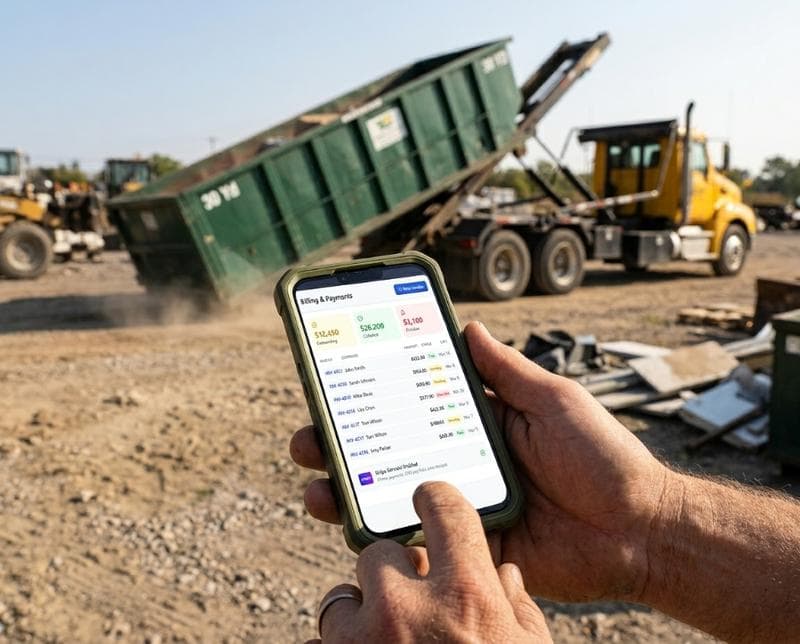
Construction dumpster rental success depends on operational efficiency that keeps costs controlled while delivering reliable service under demanding conditions. Digital dispatch systems help coordinate complex construction site schedules, track container inventory across multiple projects, and maintain communication between drivers, dispatchers, and customers throughout the service cycle. Real-time tracking capabilities allow customers to monitor delivery timing and pickup scheduling, reducing phone calls and improving overall satisfaction levels.
Automated invoicing and payment processing become especially valuable for construction accounts that often involve multiple billing entities, change orders, and project-specific accounting requirements. Modern waste management software streamlines these administrative tasks while providing detailed reporting that helps identify profitable customer segments and optimize resource allocation. Technology investments that improve operational efficiency create competitive advantages that translate directly into improved margins and customer retention rates.
Frequently Asked Questions
What container sizes work best for different construction projects?
Small renovation projects typically require 10-yard or 20-yard containers for manageable debris volumes, while major construction or demolition projects need 30-yard or 40-yard containers. Heavy materials like concrete and brick should use smaller containers to avoid weight limit violations, regardless of project size.
How should waste haulers handle permit requirements for construction sites?
Most construction sites handle their own permit requirements, but waste haulers should verify placement locations comply with local regulations and don't block public access. Work directly with site supervisors to ensure container placement meets both operational needs and permit conditions.
What's the typical rental duration for construction dumpsters?
Construction rentals usually range from one week for small projects to several months for major developments. Weekly billing cycles work well for most construction customers, with flexibility for early pickup or extended rentals based on project progress.
How can waste haulers reduce disputes over weight limits and overage charges?
Clear communication about weight limits during booking prevents most disputes, along with providing debris type guidelines that help contractors estimate weights accurately. Consider offering weight-based pricing for heavy debris projects to eliminate overage charge complications entirely.
Ready to Streamline Your Operation?
See how BinFleet AI helps waste haulers save time, cut costs, and grow.
Request a Free 30-Day Trial