Driver Apps for Waste Haulers: Streamlining Mobile Route Management in 2026
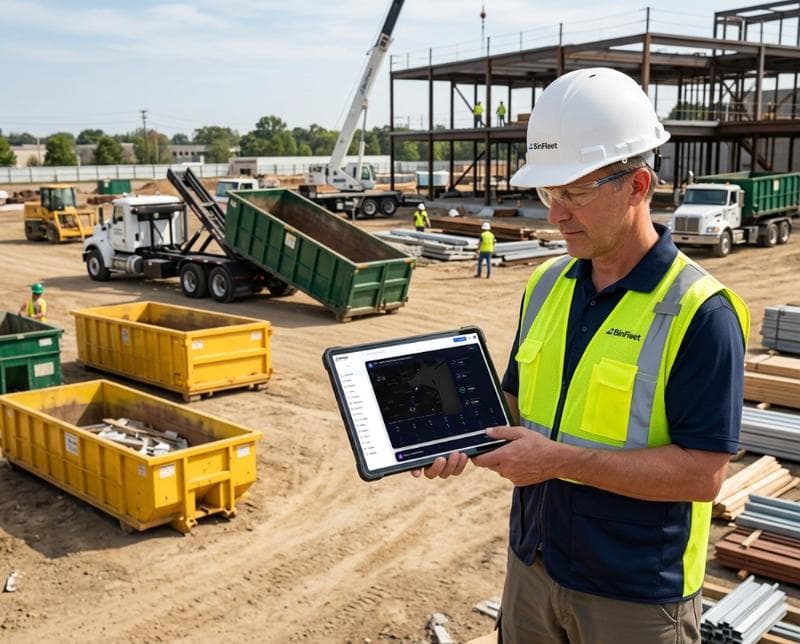
The waste hauling industry has undergone a dramatic transformation in recent years, with mobile technology leading the charge. Driver apps have evolved from simple navigation tools to comprehensive field management platforms that handle everything from route optimization to customer communication. As we move through 2026, these mobile solutions are no longer optional extras—they're essential tools that separate efficient operations from those struggling with outdated manual processes.
Modern waste hauling companies face mounting pressure to improve efficiency while maintaining exceptional customer service. Between rising fuel costs, driver shortages, and increasingly demanding service expectations, operators need every advantage they can get. A well-designed driver app serves as the central nervous system of field operations, connecting drivers, dispatchers, and customers in real-time while automating many of the administrative tasks that traditionally consumed valuable time.
Real-Time Route Management and GPS Integration
Today's driver apps go far beyond basic GPS navigation by incorporating intelligent route optimization that adapts throughout the day. These systems analyze traffic patterns, service windows, and container priorities to suggest the most efficient stop sequence. When unexpected delays occur or new urgent pickups arise, the app automatically recalculates routes and provides turn-by-turn directions to the next optimal stop, eliminating the need for constant radio communication with dispatch.
The integration of real-time tracking creates unprecedented visibility into field operations. Dispatchers can monitor driver locations, estimated arrival times, and service completion status from a central dashboard. This visibility enables proactive customer communication, allowing companies to send accurate arrival notifications and quickly respond to service inquiries. Drivers benefit from reduced stress as they no longer need to memorize complex routes or constantly check in with the office about their progress.
Mobile Proof of Service and Documentation
One of the most significant advantages of modern driver apps is their ability to capture comprehensive proof of service documentation directly from the field. Drivers can photograph containers before and after service, record GPS coordinates with timestamps, and note any special circumstances or customer requests. This digital documentation eliminates disputes about service completion and provides valuable evidence for billing purposes, significantly reducing the administrative burden on office staff.
The photo capture functionality has become particularly sophisticated, with apps automatically compressing images for fast upload while maintaining sufficient quality for documentation purposes. Many platforms now include intelligent photo organization that links images to specific customers and service dates. This creates a searchable digital record that can be accessed instantly when customers call with questions or when reviewing service history for route planning purposes.
Two-Way Communication and Status Updates
Effective communication between drivers and dispatch is crucial for smooth operations, and modern driver apps have revolutionized this aspect of waste hauling. Instead of relying on radio systems or phone calls that interrupt workflows, drivers can send quick status updates, report equipment issues, or request assistance through the app's messaging system. These communications are automatically logged with timestamps and GPS locations, creating a comprehensive record of field activities.
The messaging capabilities extend beyond simple text communication to include specialized functions like container status updates, customer absence notifications, and equipment maintenance alerts. Drivers can quickly mark containers as full, damaged, or inaccessible without lengthy phone explanations. This streamlined communication reduces misunderstandings and ensures that important information reaches the right people promptly, improving overall operational efficiency.
Customer Interaction and Service Notifications
Driver apps have transformed how waste hauling companies interact with customers by enabling direct communication from the field. Drivers can send automated service completion notifications, share arrival time estimates, and even process payment information through secure mobile interfaces. This direct customer connection improves satisfaction by providing transparency and immediate updates about service status.
The customer notification features are particularly valuable for commercial clients who need to coordinate site access or prepare containers for pickup. Drivers can send courtesy calls or text messages when approaching a location, reducing instances of locked gates or blocked access. Some advanced apps even allow customers to submit special instructions or service requests directly to the driver's mobile device, creating a seamless communication channel that improves service quality.
Inventory Management and Container Tracking
Modern driver apps include sophisticated inventory management features that help companies track container locations, monitor asset utilization, and optimize fleet deployment. Drivers can scan QR codes or enter container numbers to update inventory status in real-time, ensuring that office staff always have accurate information about container availability and location. This real-time tracking prevents the common problem of losing track of valuable container assets.
The inventory tracking extends to monitoring container conditions and scheduling maintenance activities. Drivers can report damaged containers, note repair needs, and even schedule pickup for maintenance directly through the app. This proactive approach to asset management extends container life and reduces unexpected equipment failures that can disrupt service schedules. The data collected through these mobile interactions also provides valuable insights for fleet management and purchasing decisions.
Integration with Fleet Management Systems
The most effective driver apps don't operate in isolation—they integrate seamlessly with comprehensive fleet management platforms that handle dispatching, billing, and customer service. This integration ensures that information flows smoothly between field operations and office systems without requiring duplicate data entry. Drivers can access customer information, service history, and special instructions while in the field, making them more effective and professional in their customer interactions.
Platform integration also enables sophisticated analytics and reporting that help companies identify operational improvements. By combining driver app data with billing systems, route optimization algorithms, and customer feedback, operators can gain insights into driver performance, route efficiency, and service quality. These insights drive continuous improvement efforts and help companies stay competitive in an increasingly demanding market. Companies looking to explore these integrated solutions can request a demo to see how modern platforms handle the complexity of waste hauling operations.
Frequently Asked Questions
How do driver apps handle areas with poor cellular coverage?
Modern driver apps are designed with offline functionality that allows drivers to continue working even without cellular connectivity. The app stores route information, customer details, and service records locally on the device. Once connectivity is restored, all data synchronizes automatically with the main system, ensuring no information is lost during temporary network outages.
Can driver apps integrate with existing dispatching software?
Most professional-grade driver apps offer API integration capabilities that allow them to connect with existing dispatching and billing systems. This integration ensures that route assignments, customer information, and service updates flow seamlessly between systems. Companies should verify integration capabilities when evaluating different app solutions to ensure compatibility with their current technology stack.
What training is required for drivers to use these mobile apps?
Well-designed driver apps prioritize user-friendly interfaces that require minimal training. Most drivers can become proficient with basic functions like route navigation and photo capture within a few hours of hands-on use. Advanced features like inventory management or customer communication may require additional training sessions, but the investment in training typically pays off quickly through improved efficiency and reduced errors.
How do driver apps protect customer privacy and data security?
Professional driver apps implement enterprise-grade security measures including encrypted data transmission, secure authentication, and regular security updates. Customer information is protected through role-based access controls that ensure drivers only see information relevant to their routes. Companies should verify that any app solution meets industry security standards and includes features like remote data wiping for lost or stolen devices.
The evolution of driver apps continues to reshape waste hauling operations, offering companies the tools they need to compete effectively in 2026 and beyond. These mobile solutions represent more than just technological upgrades—they're fundamental business improvements that enhance efficiency, reduce costs, and improve customer satisfaction. Operators interested in learning more about implementing comprehensive driver app solutions can explore additional insights on our blog or discover how integrated platforms can transform their operations.
Ready to Streamline Your Operation?
See how BinFleet AI helps waste haulers save time, cut costs, and grow.
Request a Free 30-Day Trial