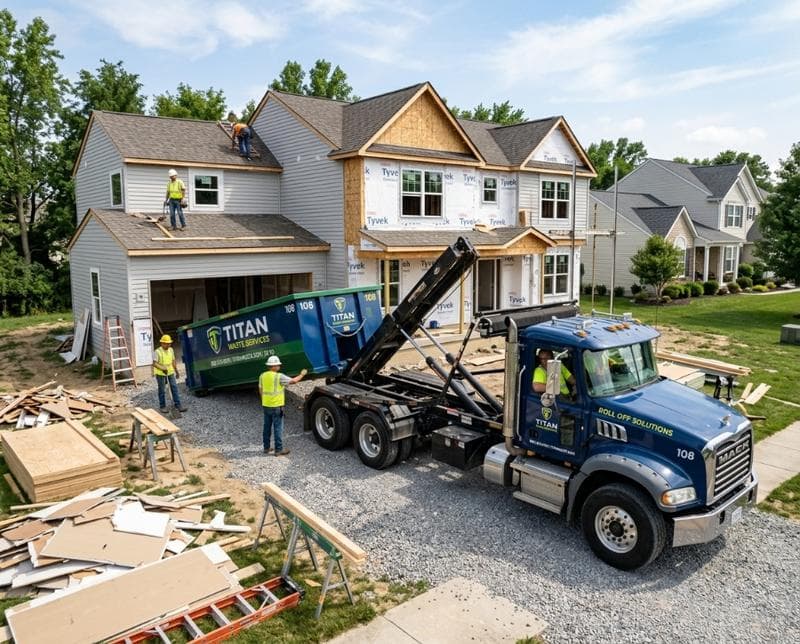
How Driver Apps Transform Waste Hauling Operations in 2026
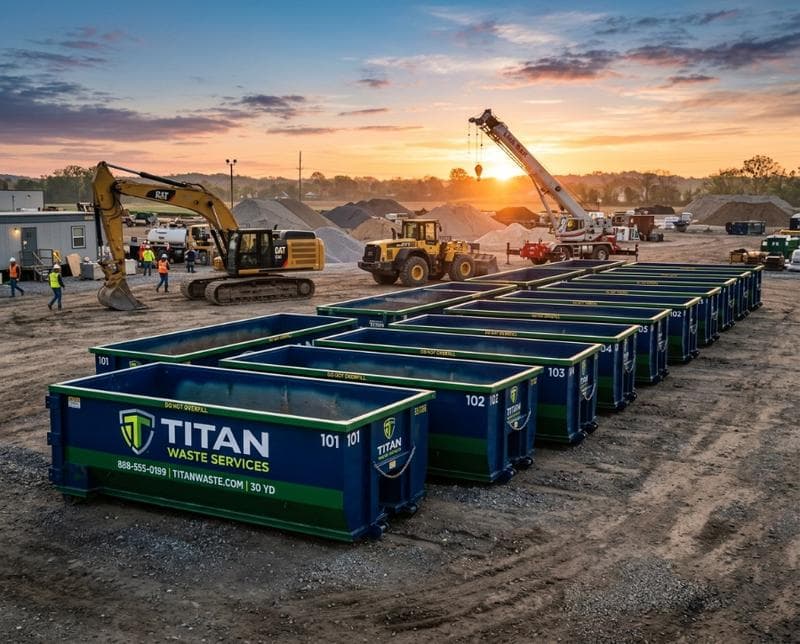
The Real Problem with Traditional Driver Management
Most waste hauling operations still rely on paper route sheets, phone calls, and guesswork to track their drivers throughout the day. Dispatchers spend hours fielding calls about pickup confirmations, delivery locations, and service issues that could be resolved instantly with proper mobile technology. This outdated approach creates communication gaps that frustrate customers and waste valuable time for both drivers and office staff.
The disconnect between field operations and the office becomes even more problematic when issues arise. Drivers encounter locked gates, incorrect addresses, or container placement problems, but lack an efficient way to document and communicate these situations. Without real-time visibility into driver locations and status updates, dispatchers struggle to provide accurate customer service or make informed routing decisions throughout the day.
How Modern Driver Apps Streamline Daily Operations
Today's driver apps transform smartphones into powerful operational tools that connect field teams directly with dispatch systems. Drivers can view their complete route information, including customer details, special instructions, and container specifications, all from a single mobile interface. This eliminates the confusion of paper schedules while ensuring drivers have access to the most current information about each stop on their route.
The integration between driver apps and central dispatch systems creates a seamless flow of information that benefits everyone involved. When drivers mark deliveries complete or report issues, this data immediately updates in the main system where dispatchers can respond quickly. Customer service representatives gain real-time visibility into delivery status, allowing them to provide accurate updates without constantly calling drivers in the field.
Essential Features That Make Driver Apps Effective
The most valuable driver apps focus on simplicity while providing comprehensive functionality for waste hauling operations. GPS-enabled routing guides drivers efficiently between stops, while photo capture capabilities allow them to document container placement, site conditions, or any issues encountered during service. These visual records protect both the company and customers by providing clear documentation of service completion.
Status update functionality keeps everyone informed without overwhelming drivers with complex interfaces. Simple tap-to-update buttons allow drivers to mark arrivals, completions, or report problems instantly. Integration with customer communication systems means these updates can automatically trigger SMS notifications to customers, reducing the workload on office staff while improving customer satisfaction through timely information.
Photo Documentation and Proof of Service Benefits
Photo capture through driver apps has become essential for protecting waste hauling companies from disputes and liability issues. Drivers can quickly document container placement, site conditions before and after service, or any obstacles that prevent normal pickup operations. These timestamped, GPS-tagged photos create an indisputable record of service that resolves customer disputes quickly and professionally.
Beyond dispute resolution, photo documentation helps improve service quality by giving dispatchers and managers visibility into field conditions. Photos of damaged containers, access issues, or unsafe site conditions allow management to address problems proactively. This visual feedback loop helps identify training opportunities for drivers and enables better communication with customers about site requirements or container maintenance needs.
Real-Time Communication and Status Updates
Effective driver apps eliminate the constant phone calls between drivers and dispatch by providing structured communication channels. Drivers can send quick status updates about delays, completed services, or issues requiring attention without interrupting their workflow. Pre-configured message options make communication fast and standardized, ensuring important information reaches the right people without confusion.
The two-way communication capability allows dispatchers to send route changes, special instructions, or customer updates directly to drivers in the field. This real-time information exchange prevents miscommunications that lead to missed pickups or incorrect service delivery. When urgent situations arise, dispatchers can instantly notify affected drivers and provide clear instructions for handling unexpected circumstances.
Integration with Business Management Systems
The true power of driver apps emerges when they integrate seamlessly with comprehensive business management platforms like BinFleet. This integration ensures that route information, customer data, and service records sync automatically between mobile devices and central systems. Drivers access current customer information while their updates immediately reflect in invoicing, customer service, and operational reporting systems.
Integrated systems eliminate duplicate data entry and reduce errors that occur when information transfers manually between different platforms. Route optimization algorithms can consider real-time driver locations and status updates to make dynamic routing decisions throughout the day. This level of integration transforms driver apps from simple communication tools into essential components of an intelligent operational ecosystem. Companies interested in seeing this integration in action should schedule a demo to experience how modern technology streamlines waste hauling operations.
FAQ
What happens if drivers lose cell service during their routes?
Most modern driver apps work offline and sync data when connectivity returns. Drivers can complete stops, take photos, and mark deliveries even without cell service. The app stores this information locally and uploads everything automatically once the device reconnects to the network.
How do driver apps handle multiple container types and service variations?
Quality driver apps display specific container information and service requirements for each stop. Drivers see container sizes, placement instructions, and any special handling requirements directly on their mobile screen. This ensures consistent service delivery regardless of route complexity or driver experience level.
Can driver apps integrate with our existing dispatch system?
Most professional driver apps offer integration capabilities with popular dispatch and management systems. The integration typically syncs route data, customer information, and service updates between platforms. This eliminates duplicate data entry while maintaining your existing operational workflows.
How quickly can drivers learn to use a new mobile app?
Well-designed driver apps prioritize simplicity and intuitive navigation. Most drivers become comfortable with basic functions within a day or two of use. The key is choosing an app with clear visual interfaces and logical workflows that match how drivers naturally complete their routes.
Ready to Streamline Your Operation?
See how BinFleet AI helps waste haulers save time, cut costs, and grow.
Request a Free 30-Day TrialRelated Articles
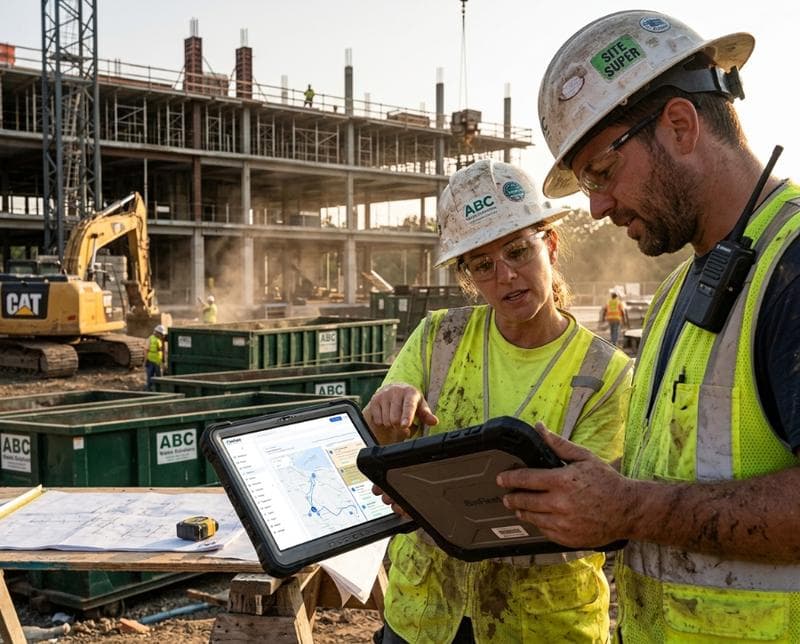
How a Driver App Transforms Waste Hauling Operations
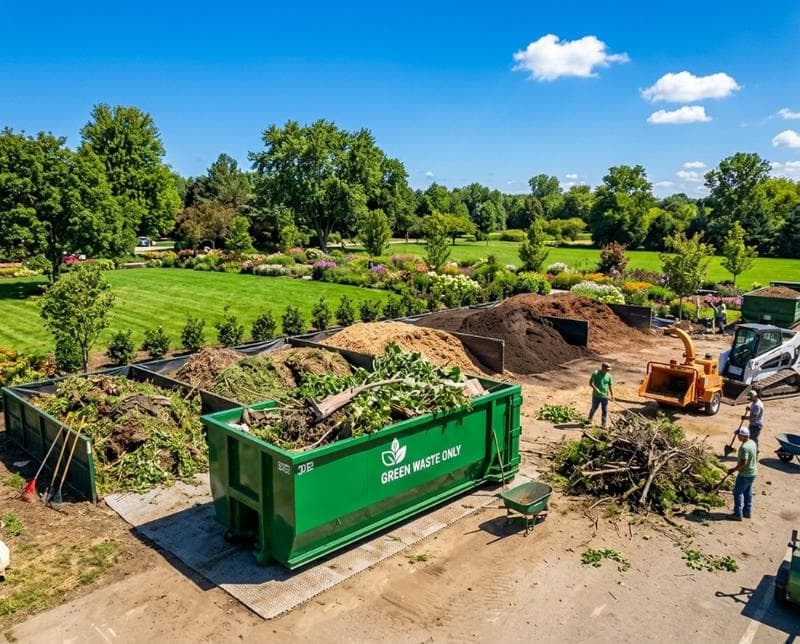
How a Mobile Driver App Transforms Waste Hauling Operations