How a Dumpster Rental CRM Transforms Customer Relationships Into Revenue Growth
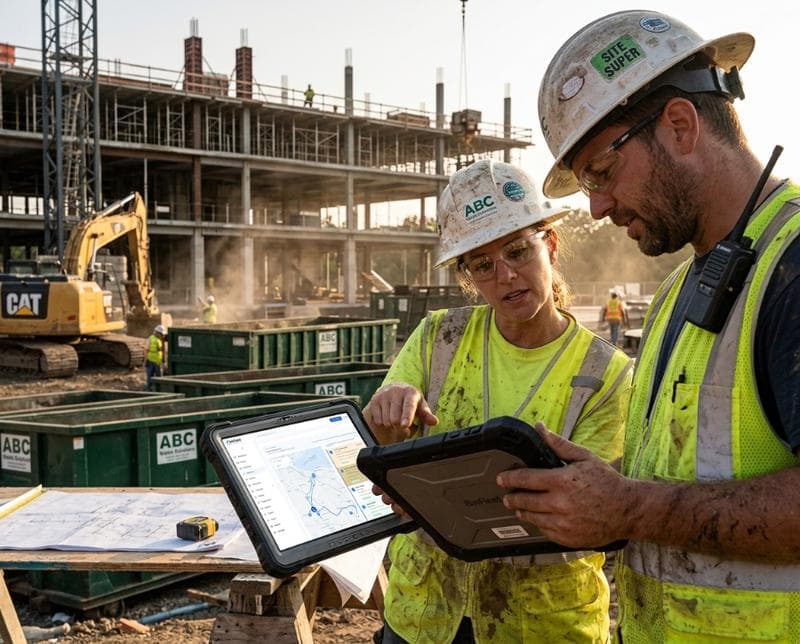
Why Your Spreadsheets Are Costing You Customer Revenue
Managing dumpster rental accounts in spreadsheets or generic contact databases creates blind spots that directly impact your bottom line. When customer data lives in multiple places—email threads, handwritten notes, phone logs, and disconnected tools—your team loses context about account history, service preferences, and payment patterns. A customer who had a problem six months ago gets forgotten, and a renewal reminder goes unnoticed because it's buried in someone's inbox. That's not just poor service; that's voluntary churn.
The real cost shows up in revenue leakage. Your dispatcher doesn't know that a customer needs a container swap on a specific day each month, so they miss the opportunity for a supplemental rental. Your account manager doesn't see that an account has paid late twice in the past year until they're already thirty days overdue. Without a centralized view of every customer interaction, you're making decisions blind and leaving money on the table while your team wastes time recreating information they should already have.
What a Waste Hauling CRM Actually Does
A CRM built for dumpster rental and waste hauling goes beyond storing names and phone numbers. It centralizes every piece of customer intelligence—order history, container preferences, service intervals, payment terms, communication preferences, and notes from every interaction—in one searchable system that your entire team can access. When a driver completes a service, they log it in real time. When billing sends an invoice, it's tagged to the account. When a customer calls with a question, the dispatcher pulls up their full history in seconds and knows exactly what they need. This visibility eliminates the friction that makes customers shop around.
A purpose-built CRM for haulers also automates the repetitive work that keeps your team from focusing on retention. Renewal reminders can trigger automatically before a contract expires. Service reminders can go to customers via SMS at the right time in their cycle. Payment follow-ups can be queued based on days overdue, with escalation rules so important accounts get personal attention. Your account managers spend less time hunting for information and more time actually talking to customers about their needs, which is where relationships—and upsells—are actually built.
Reducing Churn Through Visibility and Proactive Service
Churn in dumpster rental happens quietly. A customer doesn't place an order one month, and if you're not watching closely, they've already moved to a competitor by the time you notice. A CRM tracks order frequency and creates alerts when a customer's behavior changes—fewer requests, longer gaps between pickups, or any deviation from their normal pattern. Your team gets early warning that something's wrong, and you can reach out proactively before that customer is gone. That single conversation—a quick check-in to understand if there's a service issue or a pricing concern—can mean keeping a $500-per-month account that you would have otherwise lost.
Beyond catching warning signs, a CRM enables you to deliver the kind of personalized service that makes switching feel like a hassle. If you know that a customer always requests evening pickups or has a specific container configuration they prefer, your dispatcher can make sure it happens without the customer having to ask twice. These small consistencies build trust and habit, which are far stronger than price alone. When a competitor tries to win that account, the friction of changing providers feels heavy because your service is already so dialed in.
Spotting Upsell and Cross-Sell Opportunities Systematically
Many waste haulers leave serious revenue on the table because they don't know their customers well enough to offer them what they actually need. A contractor on your books who rents a single 20-yard container might be a perfect fit for a second location or a scheduled weekly service, but you'd never know unless you were asking the right questions. A CRM lets you tag and segment customers by industry, location, service type, and contract value, so you can identify patterns and opportunities systematically. A construction company with one active project might have two more underway that you could serve if someone reached out. That small business customer on quarterly service might benefit from monthly checkups during their busy season.
The CRM becomes a revenue intelligence tool, not just a filing cabinet. You can run reports that show which customers are below-average users for their industry, which accounts are approaching contract renewal (a natural moment to discuss upsells), and which service combos drive the highest profit margins. Your account managers and sales team use this data to have smarter conversations. Instead of generic sales pitches, they walk in armed with insights: "I noticed you're doing more pickups in Q3—would a seasonal package make sense?" That kind of informed selling closes at much higher rates and feels less pushy to customers because you're solving actual problems.
Building Predictable Revenue Through Contract and Renewal Management
Recurring revenue in dumpster rental depends on contracts that don't fall through the cracks and renewals that happen before cancellation. A CRM keeps all contract terms, rates, and expiration dates in one place with automated reminders so your team never misses a renewal window. When a contract is sixty days out, your account manager gets a notification to start the renewal conversation early—before the customer has time to shop around or assume you're done servicing them. This proactive approach typically increases renewal rates by 10-15% compared to reactive follow-ups after expiration.
Having clean contract data also protects your margin. A CRM flags rate agreements that are out of sync with current pricing, shows you which customers have been grandfathered into old rates, and helps you prepare informed conversations about rate adjustments at renewal. You're not guessing or being unfair; you're basing negotiations on documented terms and market reality. Customers respect transparency, and when renewal conversations happen on schedule with clear documentation, they're far more likely to stay—even if rates go up slightly—than when they feel ambushed or neglected.
Integrating CRM With Your Dispatch, Billing, and Route Planning
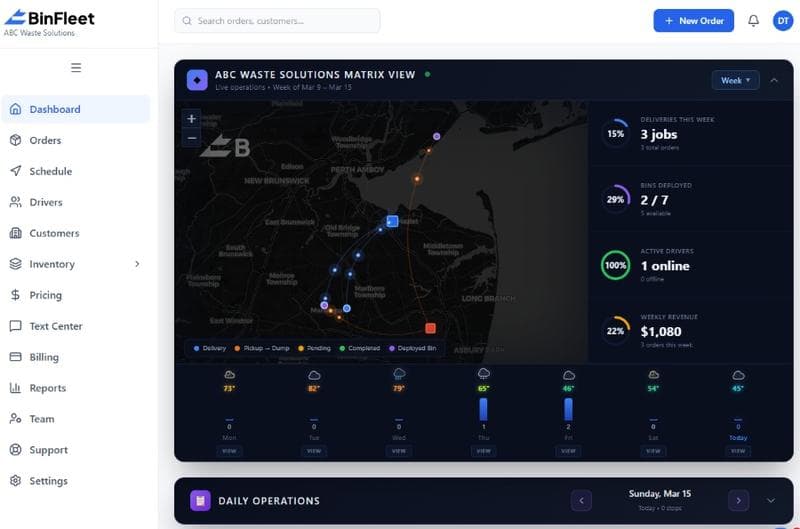
The true power of a CRM emerges when it connects to your dispatch and billing systems. When your dispatcher has access to customer service history and preferences built into their routing software, they can make smarter pickup decisions and deliver better service without manual coordination. When billing is tied to the CRM, invoices pull accurate customer data and payment history, reducing errors and speeding collection. This integration eliminates the manual handoffs and data entry that slow down operations and create errors. BinFleet brings these systems together, so your customer data feeds directly into dispatching, billing, and invoicing, keeping everything synchronized and current.
Beyond operational efficiency, this integration gives you complete visibility into customer profitability. You can see the true margin on each account when you combine service costs, fuel, labor, and billing frequency. Some customers might appear loyal but are actually unprofitable at their negotiated rate. Others are smaller in volume but have perfect payment history and low service costs. A CRM connected to your backend data reveals these truths, so you can make smarter decisions about where to invest service excellence and where you might need to adjust terms or step back.
Frequently Asked Questions
Does a dumpster rental company really need a dedicated CRM, or will generic sales software work?
Generic CRMs like Salesforce or HubSpot work for tracking leads, but they're not built for waste hauling's unique needs—recurring billing cycles, equipment tracking, service intervals, driver compliance, and dispatch integration. A platform purpose-built for rental operations includes these features out of the box, saving you months of custom setup and thousands in integration work. You'll also get templates and workflows that match how waste companies actually operate, not generic sales processes.
How long does it take to see ROI from implementing a CRM?
Most haulers see measurable improvements within 60-90 days: faster invoice processing, fewer missed renewals, and reduced time spent hunting for customer data. Revenue impact—from reduced churn and upsell captures—typically shows up within 4-6 months as your team builds habits around the system and data quality improves. The faster you migrate clean customer data and train your team, the sooner the benefits compound.
What happens to customer data if we switch CRM platforms later?
Your customer data belongs to you and can be exported from any reputable CRM—it should never be locked in. When evaluating platforms, confirm they support standard data export formats and that their contract allows you to leave cleanly. The better question is choosing a platform with strong industry focus and a growing feature set, so you won't need to switch. Read case studies from other haulers to see how long operators typically stay with their platform once it's working.
Can a CRM help with driver communication and compliance?
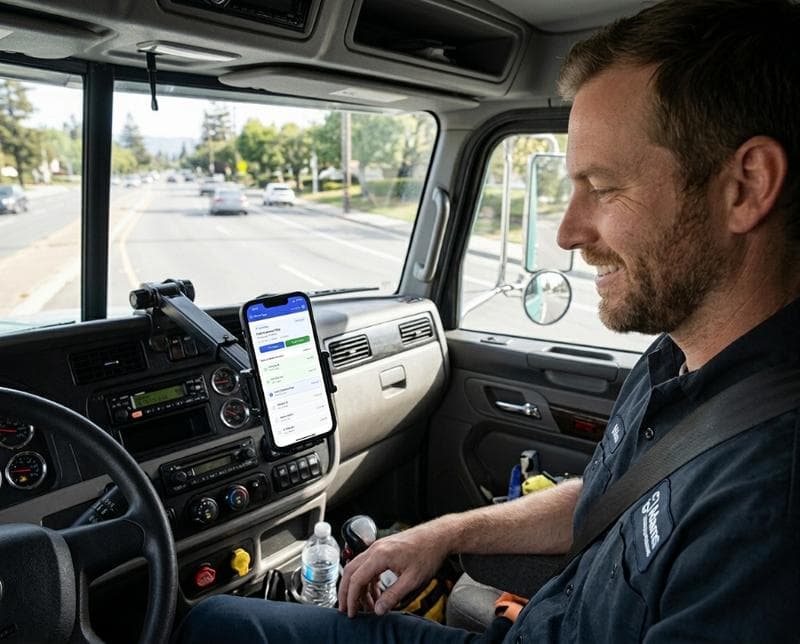
Some CRMs include driver portals or mobile apps for logging service completion and capturing photos or notes on-site. This real-time data feeds back to your customer record and helps you track service quality and compliance issues. However, not all CRMs handle driver management equally—look for one that integrates with your dispatch system so drivers aren't duplicating work or logging into multiple apps.
Start Building Better Customer Relationships Today
Your customers are valuable, and they should feel that way. A waste hauling CRM isn't a luxury software layer—it's the operating system that keeps your team aligned, your data clean, and your revenue predictable. Every missed renewal, forgotten upsell, and surprised customer churn is data telling you that your current system isn't working hard enough for you. Switching to a platform designed specifically for dumpster rental and waste hauling operations closes those gaps and turns customer relationships into a competitive advantage. Ready to see how it works? Schedule a free demo to walk through how BinFleet helps you retain accounts and grow revenue without the spreadsheet chaos.
Ready to Streamline Your Operation?
See how BinFleet AI helps waste haulers save time, cut costs, and grow.
Request a Free 30-Day TrialRelated Articles
How a Dumpster Rental CRM Transforms Customer Relationships Into Recurring Revenue
How a Dumpster Rental CRM Transforms Customer Relationships Into Recurring Revenue