How a Dumpster Rental CRM Transforms Customer Relationships Into Revenue Growth
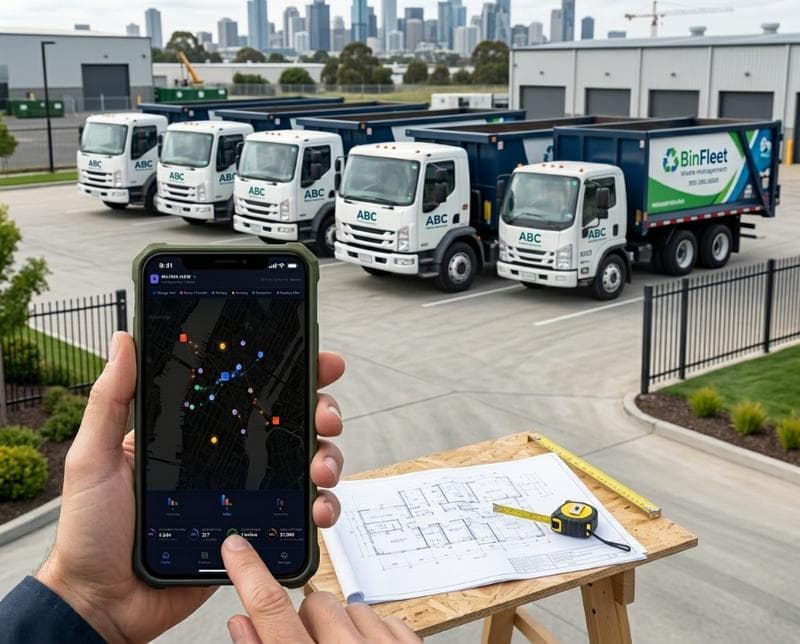
Why Dumpster Rental Companies Need a CRM (And Why Spreadsheets Don't Cut It)
Most dumpster rental and waste hauling operations start with spreadsheets, notebooks, and scattered emails. It works—until it doesn't. When you're managing dozens or hundreds of active accounts, you lose visibility into customer history, service patterns, and renewal dates. The result? Lost upsell opportunities, missed contract renewals, and customers who drift to competitors because you never followed up. A CRM system designed for waste management captures every customer interaction, tracks service history, and flags renewal dates automatically, so nothing falls through the cracks.
The real cost of poor customer management isn't just lost revenue—it's inefficiency. Your dispatcher doesn't know that a customer requesting a second bin might be a perfect candidate for a weekly pickup contract. Your office staff doesn't see that a customer's last bin pull was 45 days ago and they're likely due for another. Without centralized visibility, your team makes reactive decisions instead of strategic ones. A purpose-built CRM for dumpster rental operators consolidates customer data, service history, and communication records in one place, turning fragmented information into actionable insights.
Building Better Customer Retention Through Data
Customer retention in waste hauling comes down to two things: reliability and communication. A CRM system ensures both. When you have a complete record of every service call, pickup, complaint, and conversation, you can identify at-risk customers before they leave. If a regular client suddenly stops requesting pickups or has unresolved service issues in your system, your team can proactively reach out—not to chase them down, but to solve their problem and remind them why they chose you. This kind of attentiveness builds loyalty that price alone can't buy.
Retention also improves when customers feel seen. Modern CRM systems integrated with SMS capabilities let you send personalized renewal reminders, service updates, and special offers based on their specific account history and preferences. A contractor who books monthly dumpsters for job sites is different from a restaurant managing weekly waste disposal. Personalized outreach resonates better and keeps customers engaged. See how BinFleet CRM automates these touchpoints while your team focuses on service excellence.
Upselling Services Without Being Pushy
Upselling in waste management isn't about aggressive sales tactics—it's about offering the right service at the right time. A CRM tracks exactly what each customer is using: bin sizes, pickup frequencies, service add-ons, and seasonal patterns. When data shows a customer consistently requesting multiple standard bins, it's a logical opportunity to suggest a roll-off container or upgrade their service plan. When a seasonal customer returns year after year, your system reminds your team to reach out early with retention pricing. These aren't surprises; they're natural conversations grounded in actual usage data.
The best part? CRM-driven upselling increases average customer value without increasing churn. Customers appreciate relevant offers because they address real needs. Your team saves time by focusing on qualified opportunities instead of cold outreach. And your bottom line grows because existing customers are your cheapest acquisition channel. This is where many successful operators see 15-25% revenue lift in their first year of CRM adoption.
Automating Workflows So Your Team Can Scale
As your company grows, manual processes become bottlenecks. A CRM built for waste operations automates the repetitive tasks that slow growth: invoice reminders, renewal notifications, follow-up emails after service calls, and payment confirmations. These automations run 24/7, nurturing customer relationships even when your office staff is focused on dispatch or billing. The result is consistent customer experience and more capacity for your team to handle additional accounts without burning out.
Automation also reduces human error. Missed renewal dates, forgotten follow-ups, and communication gaps disappear when your system handles notifications and reminders. Your team shifts from reactive firefighting to proactive relationship management. Dispatchers can see customer notes before arriving on site, billing staff has complete payment history, and management gets weekly reports on account health. This integrated visibility creates a culture where every team member is contributing to customer retention and revenue growth.
Real Revenue Impact: Numbers That Matter
The math behind CRM adoption in waste hauling is straightforward. If you improve customer retention by 10%, you're adding significant recurring revenue with zero acquisition cost. If you increase average account value through targeted upselling by just 5%, the compounding effect across 50-200 active customers is substantial. And if your team reduces service response time and improves communication through CRM tracking, you're building competitive advantages that keep customers loyal.
Consider a mid-sized dumpster rental operator with 150 active accounts averaging $1,200 annual value. A 10% retention improvement saves $18,000 in lost revenue that year. A 5% upsell lift adds another $9,000. Combined with reduced administrative overhead from automation, the ROI on a CRM system pays back in the first quarter. Over three years, that's compounding growth without proportional increases in operational complexity.
Choosing a CRM Built for Waste Management, Not Generic Sales
Not all CRM systems are created equal. Generic enterprise CRM platforms built for software sales don't understand dumpster rental dynamics: recurring service patterns, multi-location operations, driver dispatch integration, or the unique communication needs of contractors and property managers. You need a system designed by people who understand waste management. That's why BinFleet combines CRM capabilities with dispatch, invoicing, SMS, and inventory management in one integrated platform—because that's how your business actually works.
The best CRM for your operation should connect seamlessly with your existing tools (dispatch software, payment systems, accounting), be easy enough for your whole team to adopt without extensive training, and provide real insights specific to waste management—like service frequency analysis, seasonal trends, and customer lifetime value. When you're evaluating options, prioritize platforms that have served dumpster rental and hauling companies, not platforms that claim to work for any industry.
FAQ: Dumpster Rental CRM Questions Answered
How much does a CRM cost, and is it worth it for a small hauling company?
CRM costs vary widely, but purpose-built systems for waste management typically start at $200-500 per month for small operations. The real question isn't the software cost—it's the cost of not having one. If you're losing even 2-3 customers per year because of missed renewals or poor communication, you're already bleeding more than the CRM fee. Most small operators break even in 2-3 months and see positive ROI within the first year.
Will my team actually use the CRM, or will it sit unused?
Adoption depends entirely on implementation. If you pick a system designed specifically for waste operations and invest time in training, adoption happens naturally because the CRM solves real problems your team faces daily. When dispatchers see that customer notes save them 10 minutes per stop, they use it. When billing staff sees payment history at their fingertips, they use it. The key is choosing a platform that works the way waste companies actually operate, not forcing your business to fit the software.
Can a CRM really help me manage multiple yards or locations?
Yes, but only if the CRM is built with multi-location operations in mind. You need centralized visibility into all customer accounts, combined with location-level reporting so each yard manager sees their own metrics. This setup allows corporate-level strategy (identifying top customers, retention trends, revenue drivers) while giving each location autonomy in day-to-day operations. Request a demo to see how this works in practice for multi-yard operators.
How does CRM connect with my dispatch and billing systems?
The best CRM platforms for waste management integrate directly with dispatch software, invoicing tools, and payment processors. This eliminates data silos and manual entry errors. When a customer schedules a pickup in your dispatch system, that information flows into the CRM, triggering automated SMS updates and payment reminders. When payment is received, the system logs it and updates retention metrics. This seamless integration is what turns CRM from a sales tool into an operational backbone.
Start Building Customer Relationships That Stick
The dumpster rental business is fundamentally about relationships. The operators winning in 2026 aren't just moving containers—they're building systems that make customers feel valued, predict needs before they arise, and deliver consistent, personalized service. A CRM built for waste management is the backbone of that approach. If your team is still managing customer data in spreadsheets or chasing renewal dates manually, you're leaving money on the table and making your job harder than it needs to be.
The good news? Getting started is simpler than you think. Try a free trial of BinFleet to see how integrated CRM, dispatch, and invoicing can transform your customer relationships and grow your revenue. Your first month will show you exactly where you're losing opportunities and how much automation can streamline your operations.
Ready to Streamline Your Operation?
See how BinFleet AI helps waste haulers save time, cut costs, and grow.
Request a Free 30-Day Trial