How to Build Lasting Customer Loyalty in Dumpster Rental Operations
Customer acquisition costs in the waste industry have climbed 30% over the past three years, making retention more valuable than ever. While many operators focus heavily on landing new accounts, the real profit lies in keeping existing commercial customers satisfied and engaged long-term. Smart waste haulers understand that a loyal customer base provides predictable revenue streams and reduces the constant pressure of filling the sales pipeline.
The difference between operators who thrive and those who struggle often comes down to how well they nurture existing relationships. Companies with strong retention strategies report 25-40% higher profit margins compared to those constantly churning through customers. When you consider that replacing a commercial account can cost five times more than keeping an existing one, the math becomes clear—retention deserves serious attention and resources.
Understanding Why Commercial Customers Leave
Most commercial customers don't leave because of price alone, despite what many operators believe. Research shows that 68% of customer churn happens due to poor service experience, communication breakdowns, or feeling undervalued by their waste hauler. Price sensitivity typically ranks third or fourth among reasons for switching providers, yet many operators immediately assume they're losing accounts to cheaper competitors.
The real culprits behind customer defection include missed pickups without communication, inability to reach customer service when issues arise, and feeling like just another account number rather than a valued partner. Commercial customers, especially property managers and facility directors, face pressure from their own stakeholders when waste services fail. When problems occur repeatedly without proactive communication or swift resolution, they start shopping for alternatives regardless of pricing.
Building Proactive Communication Systems
Proactive communication transforms routine service delivery into relationship building. Instead of only contacting customers when problems occur, successful operators establish regular touchpoints that demonstrate attention and care. This includes sending pickup confirmations, weather delay notifications, and periodic check-ins about service satisfaction. Modern customers expect real-time updates about their services, similar to package tracking or rideshare notifications.
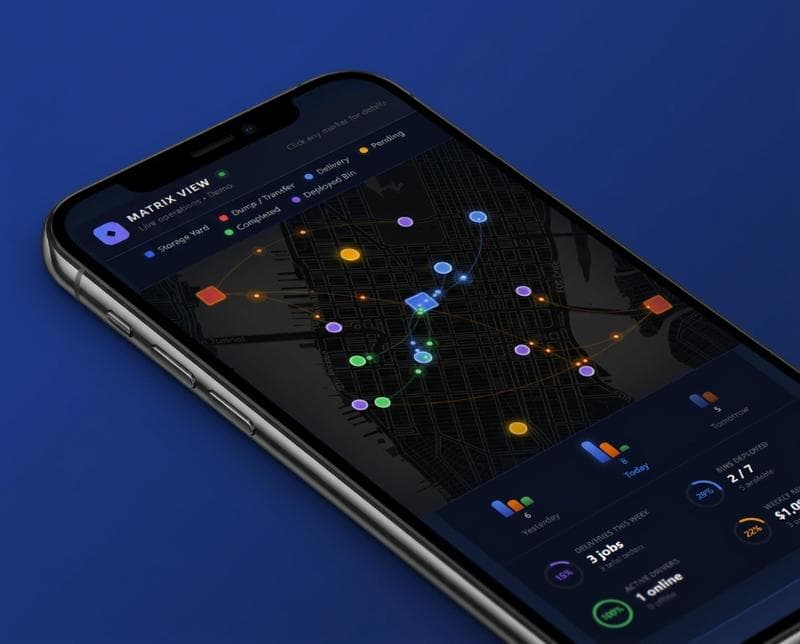
Technology platforms like BinFleet's automated SMS system enable operators to send professional updates without manual effort from dispatchers. When customers receive timely notifications about schedule changes, successful pickups, or temporary route adjustments, they feel informed and valued. This transparency builds trust and reduces the frustration that leads customers to consider switching providers. Operators who implement automated communication see 40% fewer service-related complaints and significantly higher retention rates.
Delivering Consistent Service Excellence
Consistency beats perfection when it comes to customer retention. Commercial accounts need to know their service will be reliable, predictable, and professional every single time. This means establishing clear service standards, training drivers thoroughly, and monitoring performance metrics that matter to customers. Reliability becomes your competitive advantage when customers know they can count on you without constant oversight or follow-up calls.
Service excellence extends beyond just showing up on time. It includes professional driver behavior, proper equipment maintenance, clean containers, and handling special requests efficiently. When your team consistently delivers quality service, customers develop confidence in your operation and become less likely to entertain pitches from competitors. Building this consistency requires documented processes, regular training, and management systems that identify and address issues before they impact customer experience.
Creating Value Beyond Basic Service
Smart operators differentiate themselves by solving problems their customers didn't even know they had. This might include optimizing pickup schedules to reduce costs, providing detailed service reports for property management companies, or offering flexible container sizing during seasonal fluctuations. Value-added services demonstrate that you understand their business needs beyond just waste removal.
Educational content and industry insights also build stronger relationships with commercial accounts. Sharing information about waste reduction strategies, regulatory changes, or sustainability initiatives positions you as a knowledgeable partner rather than just a vendor. Customers who view their waste hauler as a trusted advisor are significantly less likely to switch providers based solely on price comparisons. These deeper relationships create switching costs that go beyond contractual obligations.
Implementing Customer Feedback Systems
Regular feedback collection helps identify issues before they become reasons to leave. Simple quarterly surveys, annual account reviews, or informal check-in calls provide valuable insights into customer satisfaction and emerging concerns. The key is asking specific questions about service quality, communication effectiveness, and whether their needs are being met completely.
Acting on feedback demonstrates that you value customer input and continuously improve your operations. When customers see their suggestions implemented or concerns addressed promptly, loyalty strengthens significantly. Document feedback trends to identify systemic issues that might be affecting multiple accounts. Successful operators use customer insights to refine their processes, train their teams, and develop new services that increase account stickiness.
Measuring and Improving Retention Rates
What gets measured gets improved, and customer retention requires specific metrics to track progress effectively. Key indicators include customer lifetime value, churn rate by account type, service complaint resolution time, and net promoter scores. These metrics help identify which accounts are at risk and which retention strategies produce the best results for your operation.
Regular analysis of retention data reveals patterns that inform strategic decisions. You might discover that certain account types require different service approaches, or that specific operational changes significantly impact customer satisfaction. Use this information to allocate resources effectively and focus retention efforts on high-value accounts that show warning signs of potential churn.
Technology Tools for Better Retention
Modern waste management software provides capabilities that directly support retention efforts. Automated communication systems, service history tracking, and customer relationship management features help operators stay connected with their accounts professionally and efficiently. These tools reduce the manual effort required to maintain strong customer relationships while ensuring nothing falls through the cracks.
The right technology platform streamlines operations in ways that improve customer experience naturally. When dispatchers can quickly access service history, route optimization reduces delays, and billing remains accurate and timely, customers notice the difference. Investing in operational technology that supports customer-facing processes often pays for itself through improved retention rates and reduced service issues.
Frequently Asked Questions
What's the most effective way to prevent commercial customers from switching providers?
Proactive communication combined with consistent service delivery prevents most customer defections. Focus on keeping customers informed about their service status and addressing issues before they become major problems. Building personal relationships with key decision-makers also creates switching costs that go beyond price considerations.
How often should we contact existing customers about their satisfaction?
Quarterly check-ins work well for most commercial accounts, with additional touchpoints after service changes or issue resolutions. The frequency depends on account value and complexity—high-value customers may warrant monthly contact, while smaller accounts need less frequent but consistent communication.
Should we offer price discounts to retain customers who threaten to leave?
Price matching should be your last resort, not your first response. Most customer retention issues stem from service problems rather than pricing concerns. Address underlying service issues first, then evaluate whether pricing adjustments make sense for high-value accounts with legitimate competitive offers.
How can small operators compete with larger companies on customer retention?
Small operators have advantages in personal service and flexibility that larger companies cannot match. Focus on building direct relationships with decision-makers, providing customized solutions, and responding quickly to special requests. Your ability to adapt and provide personalized attention often outweighs the resources of larger competitors.
Ready to Streamline Your Operation?
See how BinFleet AI helps waste haulers save time, cut costs, and grow.
Request a Free 30-Day TrialRelated Articles
How a Dumpster Rental CRM Transforms Customer Retention & Revenue Growth
How a Dumpster Rental CRM Transforms Customer Relationships Into Revenue Growth