Complete Dumpster Rental Insurance Guide for Waste Haulers
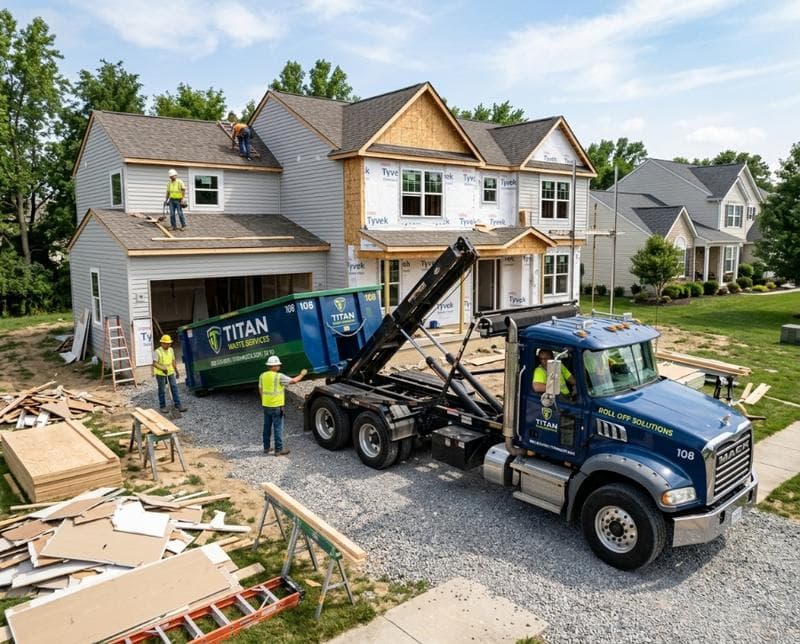
Running a dumpster rental business involves significant liability exposure, from property damage during container placement to injuries on job sites. The right insurance coverage protects your operation from financial devastation while meeting regulatory requirements and customer expectations. However, many waste haulers struggle with high premiums and confusing policy options that don't align with their specific operational needs.
Understanding which coverage types are essential versus optional can save thousands annually while ensuring adequate protection. Smart haulers focus on risk management strategies that not only reduce insurance costs but also improve overall operational safety and customer satisfaction.
Essential Insurance Coverage Types for Waste Haulers
General liability insurance forms the foundation of any dumpster rental operation's protection, covering third-party bodily injury and property damage claims. This coverage becomes critical when containers damage driveways, landscaping, or underground utilities during placement or pickup. Most contracts require minimum coverage of $1 million per occurrence, though many operators carry $2 million limits to handle larger claims without exhausting their protection.
Commercial auto insurance protects your trucks and drivers while operating on public roads, covering collision damage, theft, and liability for accidents involving company vehicles. Since dumpster trucks are classified as commercial vehicles regardless of weight, standard personal auto policies won't provide coverage. Workers' compensation insurance is legally required in most states when you have employees, protecting against medical costs and lost wages from work-related injuries while shielding your business from direct lawsuits.
Specialized Coverage for Dumpster Operations
Inland marine insurance, often called equipment coverage, protects your dumpster inventory against theft, vandalism, and weather damage while containers are deployed at customer sites. This specialized coverage acknowledges that dumpsters spend most of their time away from your facility, making them vulnerable to risks that standard commercial property insurance won't cover. Given that a single roll-off container can cost $3,000 to $6,000, protecting your fleet investment becomes crucial for maintaining profitability.
Environmental liability insurance addresses the unique risks of handling potentially hazardous waste, even when you're not intentionally accepting prohibited materials. This coverage protects against cleanup costs and third-party claims if contaminated materials in your containers cause environmental damage. While not always legally required, many landfills and transfer stations now demand proof of environmental coverage before accepting loads from haulers.
Smart Strategies to Reduce Insurance Premiums
Implementing a comprehensive safety program demonstrates to insurers that you're actively managing risks, often resulting in premium discounts of 10-20% or more. Document driver training programs, vehicle maintenance schedules, and safety protocols for container placement and pickup. Many insurance carriers offer additional discounts for completing industry-specific safety certifications and maintaining clean driving records across your fleet.
Choosing higher deductibles can significantly reduce monthly premiums, particularly for physical damage coverage on trucks and containers. Consider self-insuring smaller claims while maintaining coverage for catastrophic losses that could threaten your business survival. Regular operational reviews help identify new risks and coverage gaps before they become expensive problems, allowing you to adjust policies proactively rather than reactively after incidents occur.
Technology's Role in Insurance Management
Modern fleet management systems provide insurers with detailed data about driver behavior, route efficiency, and vehicle maintenance that can qualify you for usage-based insurance discounts. GPS tracking, dashcams, and telematics systems demonstrate your commitment to safety while providing evidence to defend against false claims. This technology integration often pays for itself through reduced premiums and faster claim resolution.
Digital documentation systems streamline the insurance claims process by providing instant access to driver records, maintenance logs, and incident reports. Management platforms that integrate insurance documentation with daily operations ensure you maintain proper coverage levels as your fleet grows and contracts change. Automated alerts for policy renewals and coverage gaps prevent costly lapses that could leave your operation exposed.
Working Effectively with Insurance Providers
Building relationships with agents who understand the waste industry leads to better coverage recommendations and competitive pricing. Specialized commercial insurance brokers often have access to markets that specifically serve waste haulers, potentially offering better rates and terms than general business insurers. Annual insurance reviews should coincide with business planning cycles, allowing you to adjust coverage limits and deductibles based on operational changes and growth projections.
Maintaining detailed loss histories and implementing corrective actions after incidents demonstrates your commitment to continuous improvement. Insurance carriers reward haulers who learn from mistakes and invest in prevention rather than simply accepting claims as a cost of doing business. Transparent communication about operational changes, new services, or equipment additions ensures your coverage remains adequate and compliant with policy requirements.
Regulatory Compliance and Customer Requirements
Most commercial customers and government contracts specify minimum insurance requirements that often exceed basic state mandates. These requirements typically include specific liability limits, additional insured endorsements, and certificates of insurance that must be updated regularly. Understanding these requirements during the bidding process prevents costly coverage upgrades or lost contracts due to inadequate protection.
State regulations for waste haulers vary significantly, with some requiring environmental coverage, increased liability limits, or specialized endorsements for handling certain waste types. Staying current with regulatory changes in all territories where you operate prevents compliance issues that could result in fines, license suspension, or contract termination. Regular consultation with both insurance professionals and industry legal counsel ensures your coverage strategy addresses both current requirements and anticipated regulatory changes.
Frequently Asked Questions
What's the minimum insurance coverage required for dumpster rental businesses?
Most states require commercial auto insurance for your trucks and workers' compensation if you have employees. General liability insurance isn't always legally mandated but is essential for securing commercial contracts, with most customers requiring $1-2 million in coverage. Additional requirements vary by state and local jurisdiction, so check with local authorities and your insurance agent.
How much should I expect to pay for dumpster rental insurance?
Annual insurance costs typically range from $15,000 to $50,000 for small to medium-sized operations, depending on fleet size, coverage limits, and claims history. Larger operations with extensive fleets may pay significantly more, while single-truck operators often fall on the lower end of this range. Your specific costs will depend on factors like location, driver records, safety programs, and the types of waste you handle.
Do I need separate coverage for containers versus trucks?
Yes, your dumpsters require inland marine or equipment coverage since they're considered mobile property that spends time away from your premises. Standard commercial property insurance only covers equipment while it's at your facility. Commercial auto insurance covers your trucks but not the containers they transport, making separate equipment coverage essential for protecting your container investment.
Will my insurance cover damage caused by customers putting prohibited items in containers?
Standard general liability policies may not cover environmental cleanup costs if customers dispose of hazardous materials in your containers. Environmental liability insurance specifically addresses these risks, covering cleanup costs and third-party claims related to contamination. This specialized coverage becomes increasingly important as environmental regulations tighten and cleanup costs continue rising.
Ready to Streamline Your Operation?
See how BinFleet AI helps waste haulers save time, cut costs, and grow.
Request a Free 30-Day Trial