How to Navigate Seasonal Demand Fluctuations in Dumpster Rental Operations
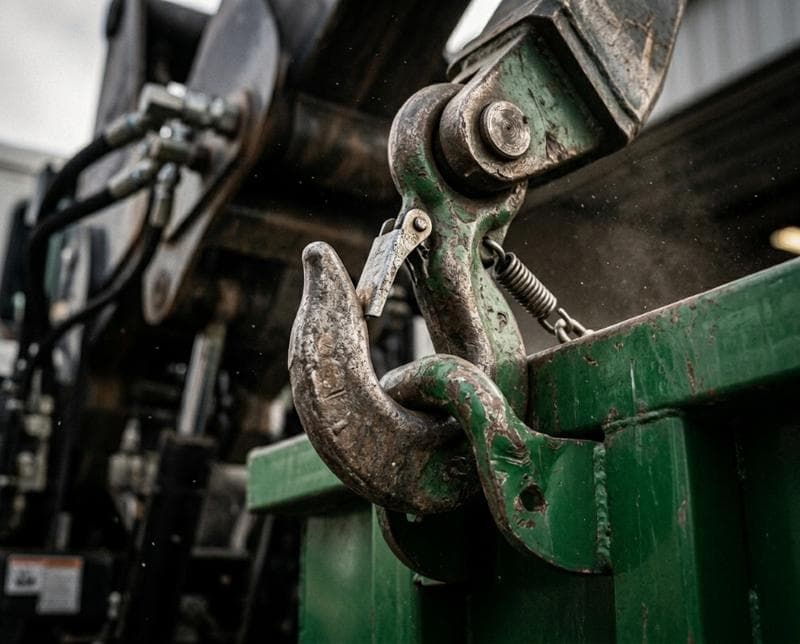
The dumpster rental industry experiences dramatic seasonal fluctuations that can challenge even experienced operators. Spring construction starts, summer home renovations, and fall cleanup projects create predictable demand spikes, while winter months often bring revenue valleys that test cash flow management. Understanding these patterns and implementing strategic responses separates thriving operations from those that merely survive the seasonal roller coaster.
Modern waste haulers who master seasonal demand management don't just weather these fluctuations—they leverage them for competitive advantage. By combining historical data analysis with forward-thinking operational strategies, successful operators transform seasonal challenges into profit opportunities while building more resilient businesses.
Understanding Your Local Seasonal Patterns
Every market has unique seasonal characteristics that go beyond general industry trends. Residential customers in northern climates typically delay major cleanouts until spring thaw, while southern markets may see steady year-round activity with summer peaks for pool installations and deck construction. Construction demand varies by region too, with some areas pushing projects through winter months while others shut down completely during harsh weather periods.
Analyzing three to five years of historical order data reveals patterns specific to your service area. Look beyond simple monthly totals to examine weekly trends, average project sizes, and customer types driving demand during different seasons. This granular analysis helps predict not just when demand will spike, but what types of containers and services customers will need most.
Strategic Pricing for Peak and Off-Season Periods
Dynamic pricing strategies help maximize revenue during high-demand periods while maintaining market share when competition heats up. Many successful operators implement seasonal rate structures that reflect true market conditions—charging premium rates during spring construction season when contractors have limited alternatives, then offering competitive rates during slower winter months to capture available business.
The key lies in communicating value rather than simply adjusting numbers. During peak seasons, emphasize guaranteed availability and priority service when competitors face capacity constraints. In slower periods, promote extended rental terms and bundled services that increase customer lifetime value while filling otherwise empty delivery slots.
Inventory Management and Equipment Allocation
Seasonal demand creates complex inventory challenges that require careful planning and flexible response strategies. Successful operators begin preparing for peak seasons months in advance, analyzing historical container turnover rates to determine optimal inventory levels for different service areas. This preparation includes scheduling maintenance during low-demand periods and positioning equipment closer to anticipated high-activity zones.
The most effective inventory strategies account for both container size preferences and geographic distribution of demand. Spring residential cleanouts typically favor smaller containers, while summer construction projects require larger units with higher turnover rates. Smart operators also maintain relationships with equipment suppliers and other haulers to handle overflow demand without turning away profitable business.
Staffing and Resource Optimization
Building a workforce that can scale efficiently with seasonal demand requires balancing full-time core staff with flexible labor solutions. Many operators maintain lean permanent teams during off-peak periods, then supplement with seasonal drivers and administrative support when demand surges. This approach requires careful planning to ensure seasonal workers receive adequate training and understand safety protocols before peak season arrives.
Cross-training existing employees across multiple functions creates operational flexibility that pays dividends during busy periods. Drivers who can handle basic dispatching tasks and office staff who understand field operations provide crucial backup when seasonal demand strains normal processes. Investing in comprehensive training during slower months prepares teams to handle peak season pressures smoothly.
Technology and Data-Driven Decision Making
Modern dumpster rental management platforms provide crucial insights for navigating seasonal fluctuations effectively. Real-time tracking of order patterns, container utilization, and route efficiency helps operators make informed decisions about pricing adjustments, inventory positioning, and resource allocation. These systems also enable proactive customer communication that builds loyalty and reduces last-minute cancellations during peak periods.
Automated scheduling and dispatch optimization become especially valuable during high-demand seasons when manual processes often break down under volume pressure. Advanced management platforms can handle complex routing decisions, send automated customer updates, and maintain accurate inventory tracking even when order volume doubles or triples normal levels.
Customer Communication and Relationship Building
Proactive customer communication transforms seasonal challenges into relationship-building opportunities. Reaching out to previous customers before peak seasons begins generates advance bookings that smooth demand spikes while providing more predictable revenue streams. Regular construction clients appreciate advance notice about capacity constraints and alternative scheduling options that keep their projects on track.
Building strong relationships during slower periods creates customer loyalty that pays off when competition intensifies during peak seasons. Consistent service quality, responsive communication, and fair pricing during low-demand months establishes trust that customers remember when choosing providers during busy periods. Many operators find that off-season relationship building generates the majority of their peak season referrals.
Frequently Asked Questions
How far in advance should I start preparing for peak season?
Most successful operators begin peak season preparation at least 90 days in advance. This timeline allows adequate time for equipment maintenance, staff hiring and training, and marketing campaigns to reach previous customers. Starting earlier provides more flexibility in scheduling and often results in better pricing for seasonal resources.
What's the best way to handle overflow demand during peak periods?
Building relationships with other haulers in adjacent markets creates mutual backup options for overflow situations. Many operators also maintain lists of reliable subcontractors who can handle deliveries using your containers during extreme demand spikes. The key is establishing these relationships before you need them.
Should I offer different service levels during different seasons?
Tiered service offerings work well for managing seasonal demand fluctuations. Premium service levels with guaranteed next-day delivery command higher prices during peak seasons, while extended delivery windows at lower prices help maintain volume during slower periods. Clear communication about service level differences prevents customer confusion.
How do I maintain cash flow during slow winter months?
Successful winter cash flow strategies include offering extended rental terms with upfront payment discounts, targeting commercial accounts with steady year-round needs, and developing complementary services like snow removal that generate revenue during traditional slow periods. Some operators also use slow months for equipment purchases and major maintenance projects that prepare for the following year's peak season.
Managing seasonal demand fluctuations requires strategic thinking, operational flexibility, and consistent execution throughout the year. Operators who invest time in understanding their local patterns and developing comprehensive response strategies find themselves better positioned to capitalize on peak season opportunities while maintaining profitability year-round. For more insights on optimizing your dumpster rental operations, explore our industry resources or see how modern management platforms can help streamline seasonal transitions with a free trial.
Ready to Streamline Your Operation?
See how BinFleet AI helps waste haulers save time, cut costs, and grow.
Request a Free 30-Day TrialRelated Articles
How to Manage Seasonal Fluctuations in Dumpster Rental Demand
How to Manage Seasonal Demand Fluctuations in Your Dumpster Rental Business