How to Navigate Seasonal Demand Fluctuations in Your Dumpster Rental Business
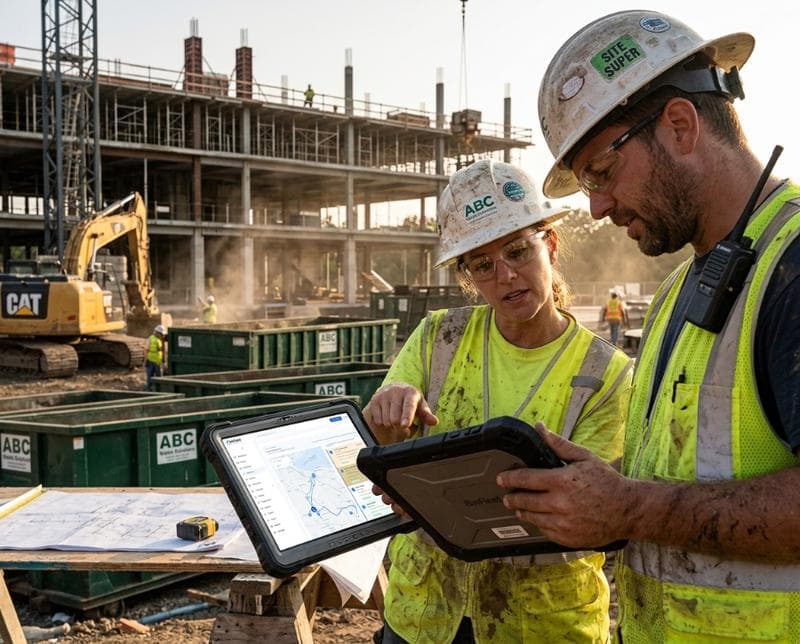
Seasonal demand fluctuations represent one of the most predictable yet challenging aspects of running a dumpster rental business. While construction projects ramp up in spring and summer, residential cleanouts surge during moving seasons and home renovation periods. Understanding these patterns and preparing your operations accordingly can mean the difference between thriving during peak seasons and scrambling to meet unexpected demand.
The key to managing seasonal variations lies in recognizing that different customer segments follow distinct seasonal patterns. Construction clients typically slow down during harsh winter months in northern climates, while residential customers often increase their rental activity during spring cleaning season and major holidays when family gatherings motivate home improvements. Smart operators use historical data to predict these cycles and adjust their inventory, staffing, and pricing strategies months in advance.
Construction Season Planning and Inventory Management
Construction demand typically follows weather patterns, with peak activity occurring from April through October in most regions. During these months, contractors are racing to complete outdoor projects before winter conditions set in, creating intense competition for available dumpsters. Successful operators begin preparing for construction season in February, ensuring their container inventory is fully serviced and ready for deployment while also securing additional temporary containers to meet peak demand.
The challenge extends beyond simply having enough containers available. Construction clients often need larger containers like 30-yard and 40-yard units, and they expect reliable service schedules that align with project timelines. Operators who fail to plan for this seasonal surge often find themselves turning away profitable business or disappointing existing customers with delayed pickups. Forward-thinking companies use demand forecasting based on local construction permits and historical rental patterns to optimize their fleet composition months before peak season arrives.
Residential Demand Cycles and Customer Behavior
Residential dumpster rentals follow different seasonal patterns than construction, with major spikes occurring during spring cleaning season, back-to-school periods, and the weeks leading up to major holidays. Homeowners planning renovations, cleanouts, or moving projects often book rentals during these periods, creating concentrated demand that can strain operations if not properly anticipated. Understanding these residential cycles helps operators balance their marketing efforts and inventory allocation throughout the year.
The rise of DIY home improvement culture has intensified residential demand during traditionally slow periods, as homeowners tackle projects during extended holiday breaks and warm weather months. Social media trends and home improvement television shows often drive sudden surges in specific types of projects, creating unpredictable demand spikes that require flexible inventory management. Operators who track residential booking patterns can identify emerging trends early and adjust their service offerings to capture this growing market segment.
Pricing Strategies for Peak and Off-Peak Periods
Dynamic pricing strategies allow dumpster rental operators to maximize revenue during high-demand periods while remaining competitive during slower months. During peak construction season, demand often exceeds supply, creating opportunities for premium pricing that reflects the true market value of available containers. However, implementing seasonal pricing requires careful consideration of customer relationships and competitive positioning, as dramatic price swings can damage long-term client partnerships.
Off-peak pricing strategies should focus on maintaining cash flow and equipment utilization rather than maximizing profit margins. Many operators offer discounted rates during slow periods to encourage residential customers to tackle projects during traditionally quiet months, helping to smooth out seasonal revenue fluctuations. The key is communicating seasonal pricing changes transparently to customers while emphasizing the value and service quality that justifies premium rates during peak periods.
Staffing and Resource Allocation During Seasonal Swings
Managing workforce requirements during seasonal demand fluctuations requires strategic planning and flexible staffing models. Peak season often demands additional drivers, dispatchers, and customer service representatives to handle increased order volumes and maintain service quality standards. Many successful operators rely on seasonal employees and part-time drivers during busy periods, while cross-training existing staff to handle multiple roles during slower months when full staffing levels aren't economically viable.
Technology solutions become particularly valuable during staffing challenges, as automated systems can handle routine tasks that would otherwise require additional personnel. Route optimization software helps maximize driver efficiency during peak periods, while automated customer communications reduce the burden on support staff. Operators using comprehensive management platforms like BinFleet often find they can maintain service quality with leaner staffing during off-peak periods while scaling efficiently when demand increases.
Technology Solutions for Demand Forecasting and Management
Modern dumpster rental operations rely heavily on data analytics and management software to predict and respond to seasonal demand patterns. Historical booking data, combined with local economic indicators and weather forecasts, provides valuable insights for inventory planning and resource allocation. Advanced management systems can identify seasonal trends automatically, alerting operators to unusual patterns that might indicate emerging market opportunities or potential capacity issues.
Automated scheduling and dispatch systems become crucial during peak demand periods when manual processes can become bottlenecks. These systems help optimize container placement and pickup schedules while providing real-time visibility into fleet availability and utilization rates. Operators interested in exploring how technology can improve their seasonal demand management should consider scheduling a demo to see how comprehensive management platforms handle capacity planning and demand forecasting.
Building Resilience for Unpredictable Demand Shifts
While seasonal patterns provide general guidance for planning, unexpected events can dramatically alter demand forecasts. Natural disasters, major construction projects, or economic shifts can create sudden surges or drops in rental demand that require rapid operational adjustments. Building operational flexibility through diverse customer relationships, scalable inventory management, and strong vendor partnerships helps operators respond effectively to unpredictable market changes.
The most resilient dumpster rental operations maintain detailed contingency plans for various demand scenarios while continuously monitoring leading indicators that might signal changing market conditions. Regular review of seasonal performance data helps identify gradual shifts in customer behavior or market dynamics that could affect future planning. Companies that invest in robust operational systems and maintain financial reserves for equipment expansion often emerge stronger from challenging seasonal periods and unexpected demand fluctuations.
Frequently Asked Questions
When should I start preparing for peak construction season?
Most operators begin peak season preparation in February, focusing on equipment maintenance, inventory assessment, and staffing plans. This timeline allows adequate preparation without tying up resources too early. Starting preparation 8-10 weeks before your typical peak season provides the best balance of readiness and operational efficiency.
How much extra inventory should I secure for peak demand?
Historical data suggests most operations need 25-40% additional capacity during peak months compared to average demand periods. However, this varies significantly by market and customer mix. Analyzing your specific demand patterns over multiple years provides the most accurate guidance for inventory planning.
Is dynamic pricing worth the complexity for seasonal operators?
Dynamic pricing can increase peak season revenue by 15-25% while maintaining utilization during slow periods. The key is implementing price changes gradually and communicating value clearly to customers. Most operators find that transparent seasonal pricing strengthens rather than damages customer relationships when properly managed.
How can technology help with seasonal demand management?
Management software automates demand forecasting, optimizes scheduling during busy periods, and provides real-time visibility into fleet utilization. These capabilities become especially valuable during peak seasons when manual processes can create service bottlenecks. Modern platforms also help identify seasonal trends and planning opportunities that might be missed with manual tracking methods.
Ready to Streamline Your Operation?
See how BinFleet AI helps waste haulers save time, cut costs, and grow.
Request a Free 30-Day TrialRelated Articles

How to Manage Seasonal Fluctuations in Dumpster Rental Demand
How to Manage Seasonal Demand Fluctuations in Your Dumpster Rental Business