Complete Guide to Starting a Dumpster Rental Business in 2026
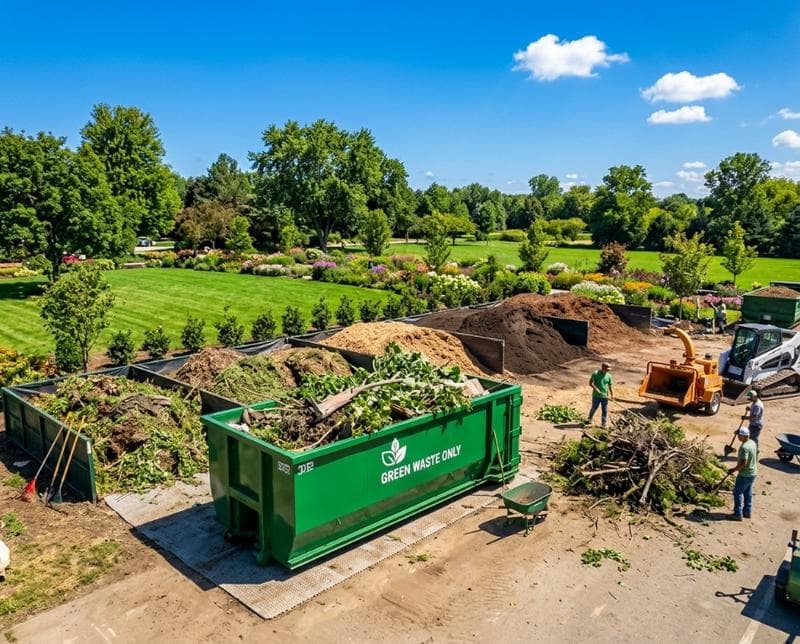
The dumpster rental industry continues to grow as construction, renovation, and cleanup projects surge across residential and commercial markets. With proper planning and execution, launching a roll-off container business can provide steady revenue streams and strong profit margins, especially when positioned correctly in underserved markets.
Success in this industry requires more than just buying containers and trucks. Modern waste hauling operations need efficient dispatch systems, route optimization, customer communication tools, and streamlined billing processes to compete effectively. Understanding these operational foundations before investing significant capital will determine whether your business thrives or struggles against established competitors.
Market Research and Business Planning
Before investing in equipment, conduct thorough market analysis to identify demand patterns, competitor pricing, and service gaps in your target area. Research local construction activity, residential development projects, and seasonal demand fluctuations to understand when your services will be most needed. Contact general contractors, property managers, and renovation companies to gauge their current satisfaction with existing haulers and identify opportunities for better service.
Develop a comprehensive business plan that includes startup costs, operational expenses, pricing strategies, and revenue projections for your first three years. Factor in equipment purchases, insurance premiums, facility costs, employee wages, and marketing expenses to establish realistic financial expectations. Consider starting with a focused geographic area rather than attempting to cover an entire metropolitan region, as concentrated service areas reduce fuel costs and improve response times.
Legal Requirements and Permits
Obtain the necessary business licenses, commercial vehicle permits, and waste hauling authorizations required in your jurisdiction. Most areas require specific permits for commercial waste collection, DOT numbers for vehicles over certain weights, and environmental compliance certifications. Contact your state's transportation department and local waste management authority to understand all regulatory requirements before beginning operations.
Secure comprehensive insurance coverage including commercial auto, general liability, environmental liability, and workers' compensation policies. Work with an insurance agent experienced in waste management operations, as standard commercial policies may not adequately cover the unique risks associated with hauling and disposing of various waste materials. Proper insurance protection is essential for contractor relationships and protects your business from potentially devastating claims.
Equipment and Vehicle Acquisition
Start with a modest fleet of roll-off containers in popular sizes like 10, 20, and 30-yard units, as these handle most residential and small commercial projects. Purchase quality containers from reputable manufacturers, prioritizing durability over initial cost savings since damaged containers create operational headaches and customer dissatisfaction. Consider buying used equipment in good condition to reduce startup costs, but inspect thoroughly for structural integrity and compliance with local regulations.
Acquire reliable roll-off trucks capable of handling your container sizes efficiently. Many successful operations start with one truck and expand based on demand, rather than over-investing in equipment that sits idle. Focus on trucks with proven reliability records and readily available parts, as mechanical breakdowns directly impact customer service and revenue generation. Establish relationships with equipment dealers who provide maintenance support and can help expand your fleet as business grows.
Operational Systems and Technology
Implement software systems that streamline order management, dispatch operations, and customer communications from day one. Modern waste management software handles scheduling, route optimization, inventory tracking, and automated customer updates, eliminating manual processes that consume time and create errors. These systems become even more critical as your operation scales beyond what can be managed with spreadsheets and phone calls.
Establish efficient dispatch procedures that maximize truck utilization and minimize fuel costs through optimized routing. Invest in GPS tracking for vehicles and containers to improve asset management and provide accurate delivery windows to customers. Consider platforms like BinFleet that integrate order management, dispatch, customer communications, and billing into unified workflows designed specifically for waste hauling operations.
Pricing Strategy and Service Offerings
Develop competitive pricing that covers all operational costs while remaining attractive to customers frustrated with poor service from existing providers. Research competitor rates but avoid competing solely on price, as this often leads to unsustainable margins and corner-cutting that damages long-term reputation. Instead, focus on providing superior customer service, reliable delivery times, and clear communication throughout the rental process.
Offer additional services that increase revenue per customer, such as same-day delivery, weekend pickups, or specialized containers for specific waste types. Many customers will pay premium rates for convenience and reliability, especially contractors working under tight project deadlines. Consider partnering with disposal facilities to offer competitive dumping rates while maintaining healthy margins on transportation and container rental fees.
Marketing and Customer Acquisition
Build relationships with general contractors, remodeling companies, and property managers who need regular dumpster services rather than relying solely on one-time residential customers. B2B customers provide predictable revenue streams and larger order volumes, though they often negotiate harder on pricing and expect consistent service quality. Attend local construction industry events and join contractor associations to network with potential commercial clients.
Establish strong online presence through Google My Business listings, professional website, and positive customer reviews. Many customers now research waste hauling companies online before making contact, so professional digital presence builds credibility and generates leads. Invest in local SEO optimization and encourage satisfied customers to leave reviews, as positive feedback significantly influences purchasing decisions in service-based industries.
Scaling and Growth Strategies
Monitor key performance metrics like container utilization rates, average rental duration, and cost per delivery to identify opportunities for operational improvements. Track customer acquisition costs and lifetime value to determine which marketing channels generate the most profitable business. Use this data to make informed decisions about fleet expansion, service area growth, and pricing adjustments.
Consider expanding into related services like portable restroom rentals, storage container leasing, or specialized waste streams as your core dumpster operation stabilizes. These complementary services often appeal to existing customers and provide additional revenue opportunities without requiring entirely new marketing efforts. For operational insights and industry trends, explore resources on the BinFleet blog covering waste management best practices and technology updates.
Frequently Asked Questions
How much money do I need to start a dumpster rental business?
Startup costs typically range from $100,000 to $300,000 depending on equipment choices and market size. This includes purchasing or financing roll-off containers, trucks, insurance, permits, and initial operating capital. Many successful operators start smaller and reinvest profits into fleet expansion rather than taking on excessive debt initially.
What size containers should I buy first?
Start with 10, 20, and 30-yard containers as these handle approximately 80% of residential and small commercial projects. Focus on building a solid customer base with these popular sizes before expanding into larger containers that serve fewer but higher-volume customers. Monitor demand patterns in your market to determine optimal container mix ratios.
Do I need special licenses to operate a dumpster rental business?
Yes, most jurisdictions require commercial waste hauling permits, DOT numbers for commercial vehicles, and business licenses. Requirements vary significantly by state and municipality, so contact local authorities early in your planning process. Some areas also require environmental permits or bonding for waste transportation operations.
How do I find customers for my new dumpster rental business?
Focus on building relationships with contractors, property managers, and renovation companies who need regular services rather than chasing individual homeowners exclusively. Develop strong online presence through Google listings and professional websites, as many customers research options online before calling. Word-of-mouth referrals from satisfied commercial customers often generate the most valuable long-term business relationships.
Ready to Streamline Your Operation?
See how BinFleet AI helps waste haulers save time, cut costs, and grow.
Request a Free 30-Day Trial