Roll Off Container Maintenance: Complete Guide for Fleet Operators in 2026
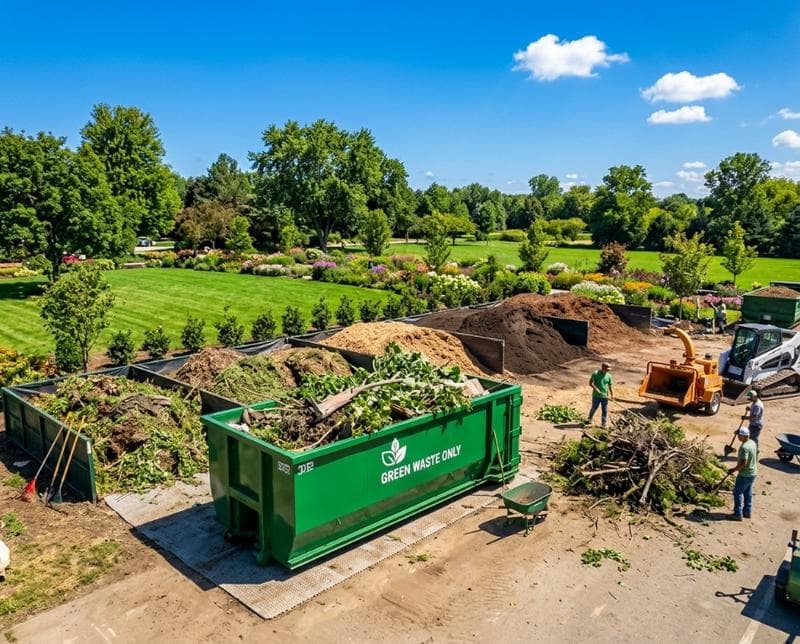
Your roll off containers are the backbone of your waste hauling operation, but most operators are hemorrhaging money through reactive maintenance approaches. Industry data shows that companies using preventive maintenance schedules extend container life by 3-5 years while reducing emergency repair costs by up to 60%. In 2026, digital tracking systems have transformed how successful haulers manage their container fleets.
The average roll off container costs between $4,000-$8,000 depending on size and specifications. With proper maintenance, these containers should deliver 15-20 years of reliable service. However, neglected containers often require replacement after just 8-10 years, costing operators tens of thousands in premature capital expenditure.
The True Cost of Poor Container Maintenance
Before diving into solutions, let's examine what poor maintenance actually costs your operation. A 50-container fleet with average maintenance neglect faces these annual expenses:
- Emergency repairs: $15,000-$25,000 annually
- Premature replacements: $30,000-$50,000 for containers failing early
- Lost revenue: $8,000-$12,000 from containers out of service
- Driver downtime: $5,000-$8,000 in wasted labor during breakdowns
- Customer complaints: Immeasurable damage to reputation and retention
These costs compound quickly. A medium-sized operator with 100 containers could easily lose $100,000+ annually through poor maintenance practices. The math is clear: preventive maintenance isn't an expense—it's profit protection.
Digital Container Tracking: The 2026 Standard
Modern waste hauling operations rely on digital systems to track container maintenance automatically. Gone are the days of clipboards and guesswork. Advanced fleet management platforms now integrate maintenance scheduling with route optimization, inventory tracking, and customer management.
Key Features of Modern Container Tracking
Today's digital systems offer sophisticated tracking capabilities that were unimaginable just five years ago:
- RFID and GPS integration: Real-time location and usage tracking for every container
- Automated maintenance alerts: System-generated reminders based on time, usage, or condition triggers
- Photo documentation: Mobile apps that capture condition photos during inspections
- Repair history tracking: Complete maintenance records accessible instantly
- Cost analysis: Automated calculations of maintenance costs per container
- Predictive analytics: AI-powered insights that predict maintenance needs before failures occur
Implementing Digital Tracking Systems
Successful implementation requires a structured approach. Start by auditing your current container inventory and assigning unique identifiers to each unit. Most operators use a combination of QR codes and RFID tags for easy scanning and automated tracking.
Next, establish baseline condition assessments for all containers. This creates a starting point for tracking degradation over time. Modern platforms make this process streamlined with mobile inspection tools and automated data entry.
Building Your Preventive Maintenance Schedule
Effective preventive maintenance follows a structured timeline based on container usage patterns and environmental factors. Here's a comprehensive schedule framework:
Daily Inspections (Driver-Performed)
- Visual check for obvious damage during pickup/delivery
- Door and latch functionality verification
- Documentation of customer-reported issues
- Photo capture of any concerns using mobile apps
Weekly Maintenance Tasks
- Grease all hinges and latches: Prevents corrosion and ensures smooth operation
- Inspect door seals: Replace worn weatherstripping to prevent leaks
- Check cable assemblies: Look for fraying, kinks, or attachment point wear
- Clean drainage systems: Remove debris from corner drains and floor channels
Monthly Comprehensive Inspections
Monthly inspections should be thorough, systematic examinations performed by trained maintenance staff:
- Structural integrity assessment: Check for cracks, dents, or metal fatigue
- Paint and coating evaluation: Identify areas needing touch-up to prevent rust
- Hardware tightening: Ensure all bolts, latches, and fittings are properly secured
- Measurement verification: Confirm containers maintain proper dimensions
- Weight distribution check: Ensure containers remain balanced and stable
Quarterly Deep Maintenance
Every three months, containers should receive comprehensive service:
- Professional pressure washing and sanitization
- Detailed paint touch-up and protective coating application
- Complete hardware replacement for worn components
- Professional weld inspection and repair if needed
- Tire and wheel bearing service for roll-on containers
Essential Container Components and Maintenance Procedures
Understanding your containers' critical components helps prioritize maintenance efforts where they matter most.
Door Systems and Hardware
Container doors endure the most stress and require the most attention. Proper door maintenance prevents 70% of container-related service calls:
- Hinge lubrication: Use marine-grade grease every week
- Latch adjustment: Ensure proper alignment and secure closure
- Seal replacement: Replace weatherstripping every 6-12 months
- Cable tensioning: Maintain proper cable tension to prevent door sag
Structural Elements
The container body requires different maintenance approaches depending on construction:
- Steel containers: Focus on rust prevention through regular painting and coating
- Aluminum containers: Monitor for stress cracks and galvanic corrosion
- Composite containers: Check for delamination and impact damage
Drainage and Cleaning Systems
Proper drainage prevents odors, pest issues, and structural damage:
- Clean corner drains weekly to prevent blockages
- Inspect floor grading to ensure proper water flow
- Apply antimicrobial treatments in high-organic-waste applications
- Replace damaged floor coatings promptly to prevent substrate damage
Creating Maintenance Standard Operating Procedures
Consistency is key to effective maintenance programs. Develop detailed SOPs that specify exactly what to inspect, how to perform each task, and when to escalate issues.
Inspection Checklists and Documentation
Create standardized checklists for each maintenance interval. Digital platforms allow customization based on container type, age, and application. Key elements include:
- Step-by-step inspection procedures with photos
- Condition rating scales (1-5 or red/yellow/green systems)
- Repair/replacement thresholds clearly defined
- Required tools and materials lists
- Safety protocols and PPE requirements
Staff Training and Certification
Invest in comprehensive maintenance training for your team. Proper training reduces mistakes and ensures consistency across your fleet. Consider these training elements:
- Container construction and engineering basics
- Proper use of inspection tools and equipment
- Safety procedures for working around heavy equipment
- Digital system operation and data entry
- When to perform repairs vs. when to replace components
Cost Optimization Through Smart Maintenance
Strategic maintenance scheduling maximizes your return on investment while minimizing operational disruption.
Maintenance Budgeting and Cost Tracking
Successful operators budget 8-12% of container value annually for maintenance. For a $6,000 container, this means $480-$720 per year in maintenance costs. Track these expenses by category:
- Preventive maintenance: Scheduled inspections and routine repairs
- Corrective maintenance: Fixing problems identified during inspections
- Emergency repairs: Unplanned breakdowns requiring immediate attention
- Capital improvements: Upgrades that extend container life or improve performance
Inventory Management for Spare Parts
Maintain strategic spare parts inventory to minimize downtime. Focus on high-wear items with long lead times:
- Door latches and hardware (most common failure points)
- Cables and cable assemblies
- Weatherstripping and seals
- Paint and protective coatings
- Specialized lubricants and cleaning supplies
Technology Integration and Future-Proofing
The waste hauling industry is rapidly adopting IoT sensors, predictive analytics, and automated monitoring systems. Forward-thinking operators are implementing these technologies now to stay competitive.
IoT Sensors and Real-Time Monitoring
Internet of Things sensors can monitor container conditions continuously:
- Weight sensors: Track fill levels and prevent overloading
- Temperature monitoring: Detect fires or excessive heat buildup
- Tilt sensors: Alert to container instability or damage
- Door sensors: Monitor unauthorized access or door problems
Predictive Analytics and AI
Advanced analytics platforms analyze maintenance data to predict failures before they occur. These systems identify patterns in container degradation and recommend optimal maintenance timing. Learn more about technology trends shaping the industry.
Frequently Asked Questions
How often should I inspect my roll off containers?
Implement a tiered inspection schedule: daily visual checks by drivers, weekly basic maintenance, monthly comprehensive inspections, and quarterly deep service. High-use containers in harsh environments may need more frequent attention. The key is consistency—regular minor maintenance prevents major failures.
What's the most cost-effective way to track container maintenance digitally?
Start with a cloud-based fleet management platform that integrates maintenance scheduling with your existing operations. Look for systems offering mobile apps for field inspections, automated alerts, and comprehensive reporting. The initial investment pays for itself within 6-12 months through reduced emergency repairs and extended container life.
How do I know when a container needs replacement versus repair?
Replace containers when annual maintenance costs exceed 15-20% of replacement value, or when structural integrity is compromised. Signs include extensive rust damage, cracked welds, bent frames, or door systems that cannot maintain proper seal. Document all repairs to make informed replacement decisions.
What maintenance tasks can drivers safely perform versus requiring specialized technicians?
Drivers can handle visual inspections, basic cleaning, lubrication of accessible fittings, and documentation of issues. Reserve welding, major structural repairs, hydraulic work, and electrical systems for trained technicians. Proper training prevents safety incidents and ensures quality repairs.
How do seasonal factors affect container maintenance schedules?
Winter conditions require more frequent lubrication due to salt exposure, while summer heat increases paint degradation. Adjust inspection frequency based on local climate—coastal operations need more corrosion protection, while desert climates require UV-resistant coatings. Seasonal maintenance planning prevents weather-related failures.
Implementing a comprehensive container maintenance program requires upfront investment in systems and training, but the returns are substantial. Operators who embrace preventive maintenance and digital tracking systems position themselves for long-term success in an increasingly competitive market. See how modern fleet management platforms can streamline your maintenance operations and protect your equipment investment.
Ready to Streamline Your Operation?
See how BinFleet AI helps waste haulers save time, cut costs, and grow.
Request a Free 30-Day Trial