Scaling Your Dumpster Rental Business: From One Truck to Multi-Truck Success
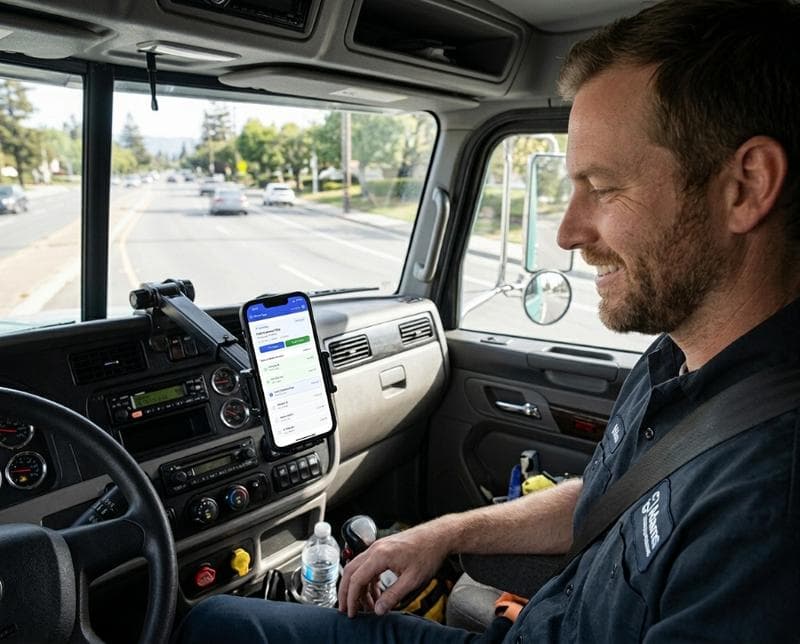
The dumpster rental industry presents tremendous opportunities for growth, but scaling from a single truck operation to a multi-truck fleet demands strategic thinking and operational discipline. Many owners make the mistake of expanding too quickly without proper systems in place, leading to cash flow problems and service quality issues that can damage their reputation permanently.
Successful scaling requires a methodical approach that balances growth ambitions with operational stability. The key is building scalable systems before you need them, ensuring your business can handle increased volume without compromising customer service or profitability. This roadmap will guide you through the critical phases of growth while avoiding the common pitfalls that derail many promising waste hauling businesses.
Building Operational Foundation Before Expansion
Your current single-truck operation must run like clockwork before adding complexity through expansion. This means having consistent processes for scheduling, dispatching, customer communication, and billing that don't depend solely on your personal involvement. If you're still manually tracking orders on paper or spreadsheets, spending hours each day coordinating pickups and deliveries, you're not ready to scale effectively.
The foundation phase involves systematizing every aspect of your operation through proper software and documented procedures. Modern waste management platforms can automate scheduling, route optimization, customer notifications, and billing processes that would otherwise consume increasing amounts of your time as you grow. Investing in these systems early allows you to focus on strategic growth rather than getting buried in operational details that prevent you from seeing the bigger picture.
Strategic Fleet Expansion Planning
Adding your second truck represents the most critical growth decision you'll make, as it fundamentally changes your business model from owner-operator to fleet manager. The timing must align with sustained demand increases, not just seasonal spikes or temporary opportunities that won't support the ongoing costs of additional equipment, insurance, and personnel. Analyze your booking patterns over at least six months to identify genuine growth trends versus temporary fluctuations.
Fleet expansion should follow a conservative approach that prioritizes cash flow stability over rapid growth. Consider starting with quality used equipment that can generate immediate returns while you build the customer base to support further expansion. Each additional truck should be justified by existing demand overflow, not projected future growth that may not materialize. This measured approach ensures you can weather economic downturns or competitive pressures without overextending your resources.
Hiring and Training Your First Drivers
Your first driver hire marks the transition from doing everything yourself to managing others, requiring a completely different skill set that many technical experts struggle to develop. The wrong hire can damage customer relationships, create safety liabilities, and consume enormous amounts of your time in supervision and damage control. Focus on finding reliable, safety-conscious individuals who understand that they represent your company's reputation with every customer interaction.
Effective driver training goes beyond basic vehicle operation to include customer service standards, safety protocols, and your specific operational procedures. Create detailed training materials and checklists that ensure consistent service delivery regardless of which driver handles each job. Regular performance reviews and ongoing training help maintain service standards while identifying drivers ready for additional responsibilities as your operation grows.
Technology Systems for Multi-Truck Operations
Managing multiple trucks, drivers, and customer relationships manually becomes impossible once you reach a certain scale, making technology investments essential rather than optional. The right software platform should handle scheduling conflicts, optimize routes across your fleet, provide real-time tracking for customer updates, and streamline billing processes that would otherwise require dedicated administrative staff. These systems pay for themselves through improved efficiency and reduced labor costs.
Modern waste management platforms like BinFleet integrate all aspects of your operation into a single system, eliminating the inefficiencies of managing separate tools for scheduling, dispatching, customer communication, and billing. This integration becomes increasingly valuable as your operation grows, providing the visibility and control needed to manage complex multi-truck operations effectively. The key is implementing these systems while your operation is still manageable, allowing you to learn and optimize before scaling creates additional complexity.
Financial Management During Growth Phases
Scaling requires careful cash flow management as you balance equipment investments, insurance increases, payroll additions, and working capital needs against revenue growth that may take time to materialize. Many successful single-truck operators fail during expansion because they underestimate the financial demands of growth or overestimate how quickly additional revenue will cover increased expenses. Conservative financial planning with realistic timelines prevents the cash flow crises that force promising businesses to contract or fail entirely.
Establish relationships with equipment financing sources and maintain adequate working capital reserves before you need them, as credit becomes more difficult to secure once you're experiencing growth pressures. Track key financial metrics like cost per container, driver productivity, and customer acquisition costs to ensure your expansion maintains profitability. Regular financial analysis helps identify problems early when solutions are still manageable rather than after they become business-threatening crises.
Building Long-Term Competitive Advantages
Sustainable growth requires developing competitive advantages that protect your market position as you scale, rather than competing solely on price which erodes profitability over time. Focus on service reliability, response times, and customer communication that larger competitors often struggle to maintain. Your size advantage lies in agility and personalized service that customers value enough to pay premium prices for consistent quality.
Invest in building systems and processes that become more valuable as you grow, creating barriers to entry for new competitors while improving your operational efficiency. This might include exclusive relationships with disposal facilities, specialized equipment for niche markets, or technology integrations that streamline customer interactions. The goal is building a business that becomes stronger and more profitable with scale, rather than just bigger and more complex to manage.
FAQ
How many containers should I have before adding a second truck?
The container count matters less than consistent utilization and demand overflow. Generally, you need enough sustained business to keep your first truck at 80% capacity before considering expansion. This ensures the new truck will have immediate work rather than competing with your existing equipment for limited jobs.
What's the biggest mistake when scaling a dumpster business?
Expanding too quickly without proper systems and financial reserves is the most common failure point. Many operators add trucks based on optimistic projections rather than proven demand, creating cash flow problems that force them to contract or fail entirely.
Should I buy or lease additional trucks when scaling?
For most growing operations, purchasing quality used equipment provides the best balance of cost control and flexibility. Leasing can work for specialized equipment or when cash flow is tight, but ownership gives you more control over your assets and long-term costs.
How do I maintain service quality with multiple drivers?
Detailed training programs, written procedures, and regular performance monitoring are essential. Technology platforms that provide real-time visibility into operations help ensure consistency across your fleet. Consider reading more scaling strategies on our blog for additional insights.
Ready to Streamline Your Operation?
See how BinFleet AI helps waste haulers save time, cut costs, and grow.
Request a Free 30-Day TrialRelated Articles
How to Scale a Dumpster Rental Business from One Truck to Multi-Yard Operations
How to Scale Your Dumpster Rental Business: A Step-by-Step Growth Plan