How a Driver App Transforms Waste Hauling Operations
The Real Problem: Manual Stop Management Costs You Time and Money
Most waste haulers still rely on printed route sheets, handwritten notes, and end-of-day phone calls to track what actually happened on the road. Drivers switch routes midday, customers call asking when the truck will arrive, and office staff scramble to piece together what was completed. Without visibility into each stop, dispatchers can't answer basic questions: Did the driver reach the Maple Street job? Was the dumpster swapped or just emptied? By the time the truck returns to the yard, the day's information is scattered across notebooks, text messages, and half-remembered conversations.
This chaos creates real operational friction. Drivers waste time at the office explaining what they did instead of heading out early. Customers don't receive timely confirmations, leading to frustrated calls and repeat visits. Billing gets delayed because photos and completion data arrive days late. A purpose-built driver app solves this by putting stop management, photo documentation, and status updates directly in drivers' hands, synced in real-time with dispatch and the office.
Real-Time Stop Tracking: Your Dispatch Team Sees What's Actually Happening
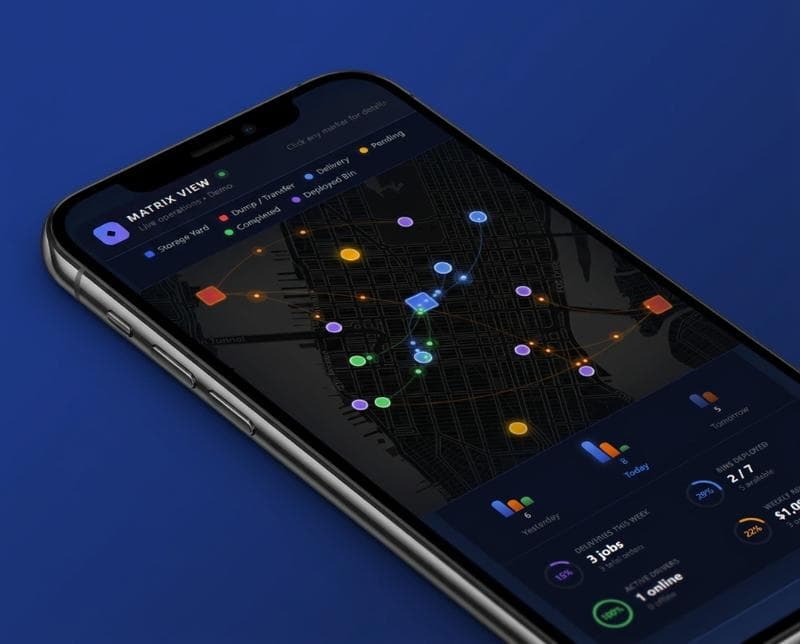
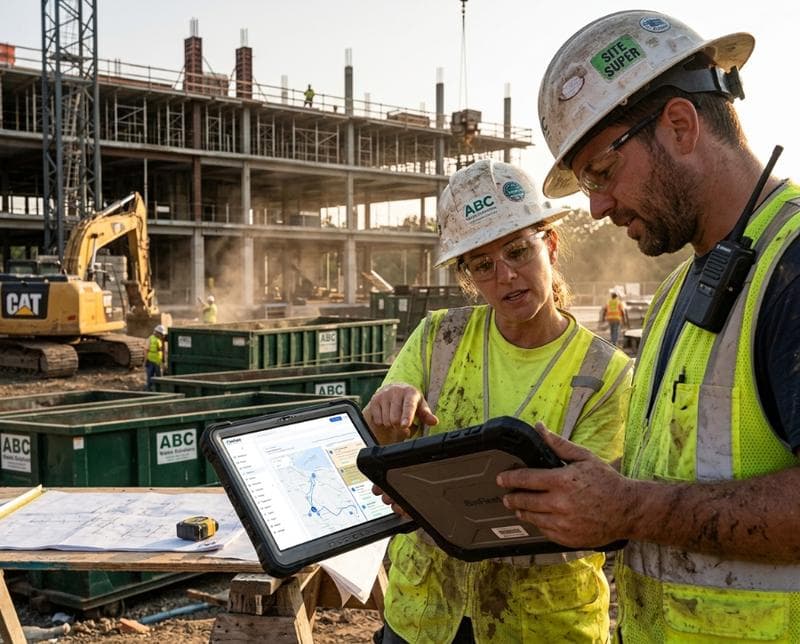
When drivers clock in at each stop using a mobile app, dispatch instantly knows their location, arrival time, and what service was performed. No more guessing. If a customer calls asking when their pickup is scheduled, dispatch can check the app and give an accurate answer within seconds. If a stop gets skipped or delayed, the office is immediately aware and can proactively reach out to the customer or adjust downstream routes. This visibility transforms dispatch from reactive firefighting into proactive management.
Real-time tracking also enables better route optimization on the fly. If a driver finishes early or encounters traffic, dispatch can reassign nearby stops without wasting fuel or creating unnecessary wait time. For multi-yard operations, supervisors can monitor all active routes across locations from a single dashboard, ensuring accountability and enabling faster decision-making when issues arise.
Photo Proof and Compliance: Documentation Built Into the Workflow
Waste hauling requires proof of service for billing, liability, and customer disputes. A driver app that prompts photo capture at each stop makes documentation automatic rather than an afterthought. Photos of the container, the location, and the completed service are time-stamped and geo-tagged, creating an undeniable record of what was done and when. Drivers don't have to remember to grab a camera or explain later why they forgot to document a job—the app makes it part of the stop closure process.
These photos also serve compliance and safety purposes. If a customer claims a service never happened or a container was damaged, you have visual evidence. For regulatory environments that require documented pickups or inspections, having photos linked to each stop streamlines audits and dispute resolution. This reduces back-and-forth with customers and protects your business from false claims.
Customer Updates That Happen Automatically
Manual status updates strain your office staff and frustrate customers. A driver app can automatically send SMS or push notifications to customers when the truck is en route, when it arrives at their location, and when the job is complete. Customers appreciate knowing the actual ETA instead of receiving a vague morning window. These automated notifications reduce inbound customer service calls by 30–40 percent because people have the information they need without picking up the phone.
Beyond reducing call volume, timely updates improve customer satisfaction and retention. When a customer sees their dumpster was picked up at 2:47 p.m. with a photo attached, they feel the service is transparent and professional. This kind of communication builds trust and makes customers less likely to shop for a competitor, directly protecting your revenue.
Driver Accountability and Performance Metrics
A driver app creates an objective record of each driver's output, efficiency, and adherence to routes. You can measure average stops per hour, time spent per stop, and completion rates. Drivers who consistently finish their routes early or handle more stops per shift become visible, making it easier to identify top performers and coach underperformers. This data-driven approach to accountability is fairer and more effective than gut feelings or customer complaints.
Performance transparency also improves safety and professional behavior. When drivers know their activity is logged, they're more likely to follow safe practices, treat containers properly, and treat customers respectfully. Over time, this creates a culture where high standards are expected and measured, reducing incidents and improving your company's reputation.
Integration With Dispatch, Invoicing, and Operations
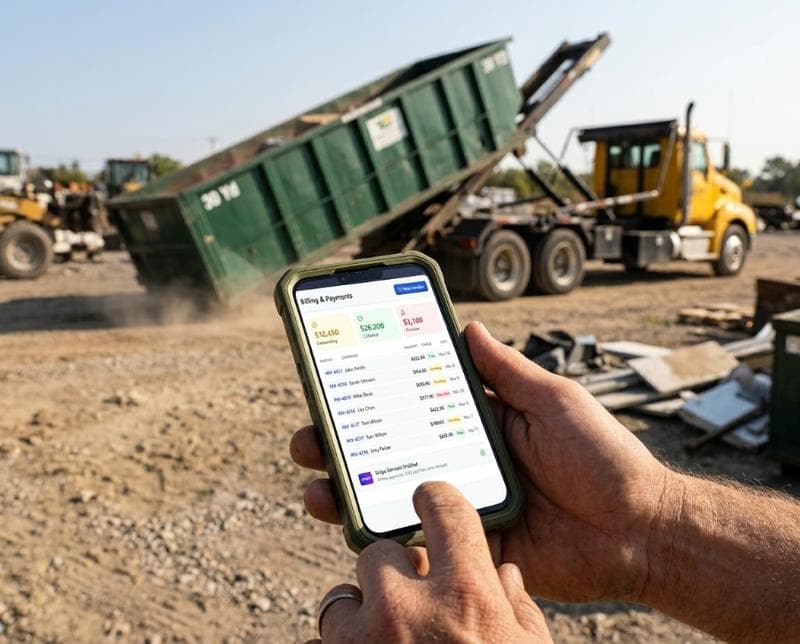
A driver app doesn't exist in isolation. The best platforms sync driver activity directly with your dispatch system, billing engine, and operations dashboard. When a driver completes a stop in the app, that data flows to invoicing so you can generate accurate bills without manual data entry. Route changes made in dispatch appear on the driver's phone instantly. Customer contact information, container details, and special instructions are all available offline so drivers never lose access to critical job information.
This integration eliminates duplicate work and reduces errors. Your team enters customer and container data once, and it's available everywhere—dispatch, driver phone, invoice, and customer portal. When information is centralized and synced, billing disputes drop, driver frustration decreases, and operations move faster. This interconnected approach is what separates a modern waste hauling operation from one still mired in paper and spreadsheets.
Choosing the Right Driver App for Your Business
Not all driver apps are created equal. Some are built for generic logistics and miss waste-specific workflows like container swaps, special pickups, and multi-site jobs. The best solutions for waste haulers include offline functionality so drivers can work in dead zones, streamlined photo capture with quality checks, and seamless integration with dispatch and billing systems. You should also evaluate ease of use—if drivers need training or the interface is clunky, adoption will suffer and you'll waste money on a platform nobody uses.
Before committing to a platform, run a live demo focused on the driver experience. Have your drivers test the app on their routes and ask for honest feedback. Request references from other waste companies using the platform and ask specific questions about implementation time, customer support, and whether it delivered the promised efficiency gains. A good fit means faster onboarding, higher adoption, and faster payback.
FAQ: Common Questions About Driver Apps for Waste Haulers
Will drivers actually use a mobile app, or will they resist it?
Most drivers accept technology when it makes their job easier and faster. An app that eliminates paperwork, reduces time at the office, and prevents double-work is generally popular. The key is getting buy-in before launch by involving drivers in testing, explaining the benefits clearly, and providing solid training and support. Resistance typically happens when apps feel like surveillance tools rather than productivity aids—focus on how it streamlines their work.
What happens if the driver loses cell signal or their phone battery dies?
Professional driver apps designed for field work include offline mode, allowing drivers to log stops, capture photos, and complete routes even without connectivity. Once the phone reconnects, all data syncs automatically to the office. Battery life is less of a concern with modern phones, but hardwired vehicle mounts and charge-optimized apps help. You should also have a backup plan—like a simple text-in system or paper log—for true emergencies, though this is rarely needed.
How much does a driver app cost and what's the ROI?
Pricing varies, but most SaaS platforms for waste haulers charge a monthly per-truck or per-driver fee, typically $50–$150 monthly. ROI comes from reduced billing errors, faster invoicing, fewer customer service calls, improved route efficiency, and reduced fuel waste. Most haulers see payback within 2–4 months. The real value emerges over time as you capture data that informs hiring, training, and route optimization decisions.
Can I use a generic logistics app instead of a waste-specific solution?
Generic logistics apps work for basic route tracking but often miss waste-specific features like container swaps, roll-off tracking, multi-unit pickups, and integration with dumpster-specific billing models. You may end up spending extra time customizing workflows or doing manual data entry. A platform built for waste hauling from the ground up handles your industry's unique needs out of the box, saving time and reducing frustration.
Getting Started With a Driver App
If your operation still relies on printed routes and manual stop tracking, a driver app is one of the highest-impact investments you can make. Start by assessing your current pain points: How much time does your office spend explaining what happened on routes? How many billing disputes stem from missing documentation? How many customers call asking for ETAs? A good driver app addresses all three problems simultaneously.
The best way to evaluate whether a platform will work for your business is to request a live demo tailored to your operation's size and complexity. See how routes appear on the driver's phone, how photos are captured and stored, and how completion data flows back to dispatch and billing. Ask about implementation support and training. Many platforms offer a free trial period—use it to run a real pilot with 2–3 of your most open-minded drivers on an actual route. Real-world feedback beats any sales pitch, and you'll know within days whether the tool is a fit.
Ready to Streamline Your Operation?
See how BinFleet AI helps waste haulers save time, cut costs, and grow.
Request a Free 30-Day Trial