How Mobile Driver Apps Are Revolutionizing Waste Hauling Operations

The waste hauling industry has undergone a dramatic digital transformation, with mobile driver apps emerging as essential tools for modern operations. These applications have evolved from simple navigation aids to comprehensive platforms that manage every aspect of a driver's daily route. As we move through 2026, waste hauling companies that haven't adopted mobile solutions find themselves struggling to compete with more efficient, tech-enabled competitors.
Driver apps represent more than just technological upgrades—they solve fundamental operational challenges that have plagued the waste industry for decades. From missed pickups and customer complaints to inefficient routing and poor communication, these digital tools address pain points that directly impact profitability and customer satisfaction. The most successful haulers understand that empowering drivers with the right technology creates a ripple effect of improvements throughout their entire operation.
Streamlining Daily Routes and Stop Management
Traditional paper-based route sheets and clipboards have become relics in progressive waste hauling operations. Modern driver apps provide real-time route optimization that adapts to traffic conditions, service delays, and last-minute customer requests. Drivers can view their complete daily manifest, access customer-specific instructions, and mark stops as complete with precise timestamps. This level of visibility eliminates the guesswork that often leads to missed services and customer dissatisfaction.
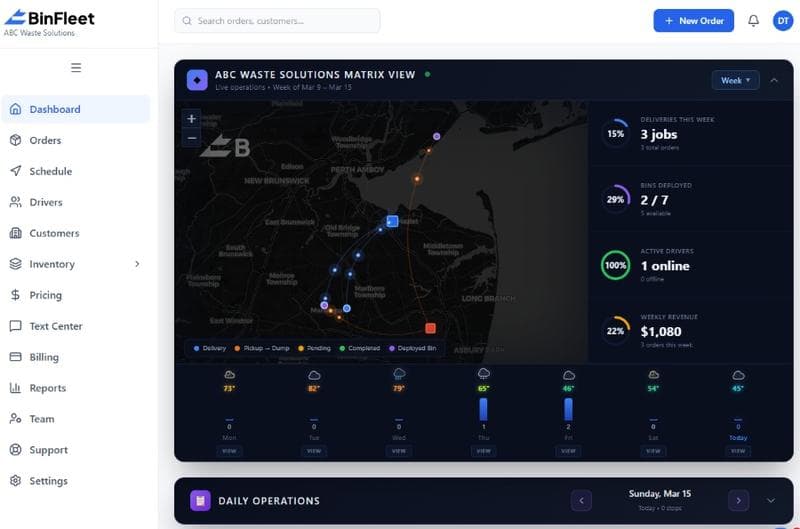
The integration between driver apps and dispatch systems creates a seamless flow of information that benefits everyone involved. When drivers update stop statuses in real-time, dispatchers gain unprecedented visibility into fleet operations without constant radio check-ins. Customers receive automatic notifications about service windows and completion confirmations, dramatically reducing inbound calls to customer service. This connected ecosystem transforms route management from a reactive scramble into a proactive, data-driven process that consistently delivers results.
Digital Proof of Service Through Photo Documentation
Photo documentation has become the gold standard for proving service completion in the waste industry. Driver apps enable instant capture of before-and-after photos, GPS-stamped images of container conditions, and visual records of any service issues or hazards. These digital records protect haulers from false claims while providing valuable documentation for billing disputes and customer communications. The ability to capture and instantly sync photos eliminates the delays and quality issues associated with traditional cameras or phone uploads.
Smart photo features go beyond simple documentation to provide operational intelligence. Advanced driver apps can detect overflowing containers, contamination issues, or access problems through image analysis, automatically flagging these situations for follow-up. The visual record creates accountability for both drivers and customers, leading to improved service quality and fewer disputes. When integrated with customer portals, these photos provide transparency that builds trust and demonstrates the value of professional waste management services.
Real-Time Status Updates and Communication
Effective communication between drivers, dispatch, and customers has always been challenging in the waste industry, particularly when routes span large geographic areas. Modern driver apps solve this problem by providing multiple communication channels within a single platform. Drivers can send status updates, report equipment issues, or request assistance without leaving their route or fumbling with multiple devices. This streamlined communication reduces delays and keeps everyone informed about service progress throughout the day.
The power of real-time updates extends far beyond basic messaging. When drivers encounter unexpected situations—blocked access, hazardous materials, or customer requests—they can instantly communicate these issues with photos, location data, and detailed notes. Dispatch can then make informed decisions about route adjustments, equipment needs, or customer follow-up. This rapid information flow minimizes downtime and ensures that problems are addressed quickly rather than discovered hours later during post-route reporting.
Integration with Fleet Management Systems
The most effective driver apps don't operate in isolation—they integrate seamlessly with broader fleet management and business systems. This integration ensures that data flows smoothly between route planning, customer management, billing, and equipment maintenance systems. When drivers complete stops through their mobile app, the information automatically updates customer records, triggers billing processes, and provides data for route optimization. This level of integration eliminates duplicate data entry and reduces the administrative burden on office staff.
Integration capabilities extend to equipment monitoring and maintenance scheduling, creating a comprehensive operational overview. Driver apps can interface with truck sensors to monitor fuel consumption, engine diagnostics, and maintenance needs. When combined with route data and service completion information, fleet managers gain insights that drive better decision-making about vehicle deployment, maintenance scheduling, and operational efficiency. Companies using platforms like BinFleet benefit from this holistic approach to fleet and route management.
Improving Customer Service and Satisfaction
Customer expectations in 2026 include real-time visibility into service delivery, just as they expect from package deliveries or ride-sharing services. Driver apps enable waste haulers to meet these expectations by providing accurate service windows, completion notifications, and instant access to service photos. When customers can see exactly when their service occurred and view proof of completion, satisfaction scores improve dramatically. This transparency also reduces the volume of customer service calls, freeing staff to focus on more complex issues and business development activities.
The customer service benefits extend to problem resolution and special requests. When service issues arise, drivers can document the situation immediately with photos and detailed notes, enabling customer service teams to respond with accurate information rather than generic explanations. Special pickup requests, access changes, or billing questions can be addressed in real-time rather than waiting for end-of-day reports. This responsiveness builds customer loyalty and creates competitive advantages that are difficult for less-equipped competitors to match.
Measuring Success and ROI
The value of driver apps becomes clear when measuring key performance indicators that matter to waste hauling operations. Route completion times typically improve by 15-25% as drivers eliminate paperwork delays and navigation inefficiencies. Customer complaint volumes decrease significantly when service completion is documented and communicated automatically. Labor costs often decline as dispatchers spend less time tracking down drivers and managing customer inquiries about service status.
Return on investment calculations should include both direct cost savings and revenue protection benefits. While the technology investment is measurable, the value of prevented billing disputes, improved customer retention, and enhanced operational efficiency often exceeds the direct savings. Forward-thinking haulers view driver apps not as expense items but as essential tools for competitive positioning in an increasingly digital marketplace. Those interested in exploring these benefits can schedule a demo to see how modern solutions transform daily operations.
Frequently Asked Questions
How do driver apps work when cell service is poor in rural areas?
Modern driver apps are designed with offline functionality that allows drivers to complete their routes even without consistent cellular coverage. The apps cache route information, customer data, and forms locally on the device, enabling drivers to mark completions, take photos, and add notes without internet connectivity. Once the device reconnects to cellular service, all data syncs automatically with the central system.
Will older drivers be able to learn and use mobile apps effectively?
Well-designed driver apps prioritize simplicity and intuitive navigation, making them accessible to drivers of all ages and technical skill levels. Most platforms require minimal training—often just a brief orientation session—because they mirror familiar smartphone interfaces. The key is choosing apps with large buttons, clear navigation, and logical workflows that match how drivers naturally think about their routes.
How much do driver apps typically cost for waste hauling companies?
Driver app pricing varies based on features, fleet size, and integration requirements, but most solutions range from $20-50 per truck per month. This investment typically pays for itself through reduced fuel costs, improved route efficiency, and decreased customer service overhead. Many providers offer tiered pricing that allows companies to start with basic features and add functionality as they see value from the initial implementation.
Can driver apps integrate with existing dispatch and billing systems?
Yes, most modern driver apps are built with integration capabilities that connect to popular dispatch, billing, and fleet management systems. The level of integration varies by provider, but leading solutions offer APIs and pre-built connectors for common industry software. This integration ensures that route data, service completions, and customer information flow seamlessly between systems without manual data entry or duplicate records.
Ready to Streamline Your Operation?
See how BinFleet AI helps waste haulers save time, cut costs, and grow.
Request a Free 30-Day Trial