How Driver Apps Are Revolutionizing Waste Collection Operations
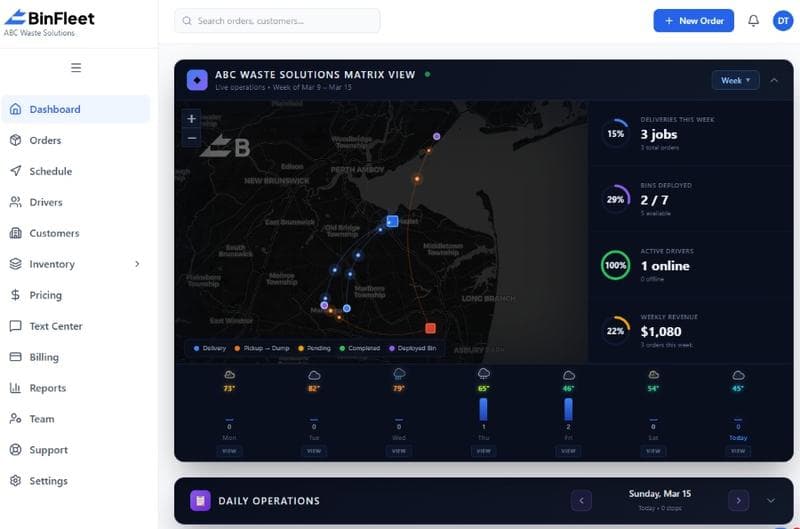
The waste hauling industry has undergone a dramatic transformation in recent years, with driver apps emerging as the backbone of efficient operations. What started as simple route lists on paper clipboards has evolved into sophisticated mobile platforms that connect drivers, dispatchers, and customers in real-time. These apps have become essential tools that directly impact service quality, operational efficiency, and customer satisfaction across the waste management sector.
Modern waste collection presents unique challenges that traditional methods simply cannot address effectively. Drivers need instant access to customer information, route changes, and service requirements while maintaining clear communication with dispatch throughout their day. The complexity of managing container inventory, documenting service delivery, and handling customer requests requires technology that works seamlessly in the field, regardless of weather conditions or cellular connectivity issues.
Real-Time Communication Between Drivers and Dispatch
The most significant advantage of driver apps lies in their ability to create instant communication channels between field teams and central operations. When a driver encounters a blocked dumpster, discovers contaminated materials, or needs to adjust their route due to road construction, they can immediately notify dispatch through the app. This real-time information flow allows dispatchers to make informed decisions quickly, whether that means rerouting other drivers, scheduling return visits, or communicating delays to affected customers.
Driver apps also eliminate the frustration of radio static, missed calls, and unclear voice communications that have plagued the industry for decades. Text-based messaging, photo sharing, and status updates provide clear documentation of field conditions and driver actions. Dispatchers can track multiple trucks simultaneously, viewing each driver's progress, current location, and any issues they've encountered without constantly interrupting their work with phone calls or radio check-ins.
Photo Documentation Transforms Service Verification
Photo documentation through driver apps has revolutionized how waste haulers verify service completion and handle customer disputes. Drivers can capture before and after photos of each stop, showing container placement, contamination issues, or access problems that prevent service. These timestamped, GPS-tagged images create an indisputable record of service delivery that protects both the hauler and the customer from misunderstandings or billing disputes.
The impact of photo documentation extends beyond dispute resolution to operational improvement and customer service enhancement. Managers can review photos to identify recurring issues at specific locations, such as improper container placement or contamination patterns that require customer education. Sales teams can use photos to demonstrate service quality to prospective clients, while customer service representatives can quickly resolve complaints by accessing visual evidence of service conditions during any given pickup.
Route Optimization and GPS Navigation
Driver apps equipped with GPS navigation and route optimization capabilities have transformed how waste collection routes are planned and executed. Instead of relying on outdated paper maps or basic GPS devices, drivers now receive turn-by-turn directions optimized for commercial vehicles, including height and weight restrictions that prevent costly routing errors. The app can automatically reorder stops based on traffic conditions, road closures, or service priorities, ensuring maximum efficiency throughout the day.
Advanced driver apps learn from historical data to suggest the most efficient routes while accounting for factors unique to waste collection, such as one-way streets that accommodate large trucks and optimal timing for different neighborhood types. When customers request schedule changes or new stops are added during the day, the app can instantly recalculate routes and provide updated directions. This dynamic routing capability reduces fuel costs, minimizes wear on vehicles, and allows drivers to complete more stops in less time while maintaining service quality.
Customer Status Updates and Transparency
Modern customers expect the same level of service transparency from their waste hauler that they receive from package delivery companies or ride-sharing services. Driver apps enable automatic customer notifications that keep clients informed about pickup schedules, service delays, or completion confirmations. When a driver marks a container as serviced in the app, the customer can receive an immediate text message or email notification, eliminating uncertainty about whether their pickup occurred.
This transparency extends to proactive communication about service issues or schedule changes. If a driver cannot access a container due to parked cars or discovers contamination that prevents pickup, the app can automatically notify the customer with specific details and photos. Customers appreciate knowing exactly why service was delayed or incomplete, and this immediate communication often prevents complaints from reaching the main office. The result is improved customer satisfaction and reduced administrative burden on customer service teams.
Inventory Management and Container Tracking
Driver apps have transformed container inventory management from a manual, error-prone process into an automated system that provides real-time visibility across entire fleets. When drivers deliver, relocate, or pick up containers, they can update inventory records instantly through the app, including photos of container condition and placement. This immediate data entry eliminates the delays and inaccuracies associated with end-of-day paperwork and manual data transfer.
The ability to track containers in real-time helps haulers optimize asset utilization and reduce losses from misplaced or stolen units. Drivers can quickly identify which containers are available for immediate deployment, while managers can monitor container aging and maintenance needs. When customers request emergency deliveries or pickups, dispatchers can instantly locate the nearest available units and dispatch drivers accordingly. This level of inventory visibility directly impacts profitability by reducing container investment needs and improving asset turnover rates.
Integration with Business Management Systems
The most effective driver apps integrate seamlessly with broader business management platforms, creating a unified system that connects field operations with billing, customer service, and administrative functions. When drivers complete their routes and mark services as finished, this information automatically flows into invoicing systems, eliminating manual data entry and reducing billing errors. Customer service representatives can access real-time field data to answer questions immediately, while managers can pull comprehensive reports that combine driver productivity metrics with financial performance data.
Modern waste haulers recognize that driver apps are not standalone tools but components of comprehensive operational systems. Platforms like BinFleet demonstrate how integrated technology can streamline everything from initial customer contact through final payment processing, with driver apps serving as the crucial link between field operations and office administration. This integration eliminates data silos, reduces administrative overhead, and provides the comprehensive visibility that growing waste hauling businesses need to remain competitive. Companies interested in seeing how integrated driver apps can transform their operations can schedule a demonstration to explore specific features and benefits.
Frequently Asked Questions
What happens if drivers lose cellular connectivity while using the app?
Modern driver apps are designed to work offline, storing route information, customer details, and photos locally on the device when cellular service is unavailable. Once connectivity is restored, all data automatically syncs with the central system, ensuring no information is lost even in areas with poor cellular coverage.
How long does it take to train drivers on a new app?
Most waste haulers find that drivers adapt to well-designed apps within 1-2 weeks of regular use. The key is choosing apps with intuitive interfaces that mirror familiar smartphone functions, combined with hands-on training that focuses on daily workflow rather than technical features.
Can driver apps help reduce fuel costs and vehicle maintenance?
Yes, driver apps with route optimization can significantly reduce fuel consumption by eliminating unnecessary miles and reducing idle time. The GPS tracking and route analytics also help identify aggressive driving patterns that increase vehicle wear, allowing managers to address these issues through targeted coaching.
Will customers accept automated notifications instead of personal communication?
Customer feedback consistently shows that timely, accurate information is more important than personal interaction for routine service updates. Automated notifications actually improve customer satisfaction by providing immediate updates, while freeing customer service staff to handle complex issues that require personal attention. For additional insights on customer communication strategies, visit our blog for industry best practices and case studies.
Ready to Streamline Your Operation?
See how BinFleet AI helps waste haulers save time, cut costs, and grow.
Request a Free 30-Day Trial