How Driver Apps Transform Waste Hauling Operations in 2026
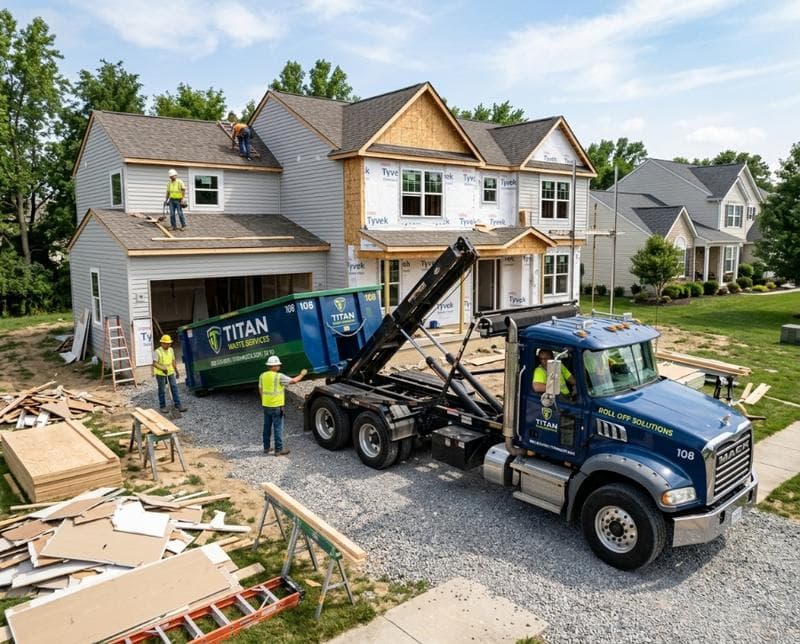
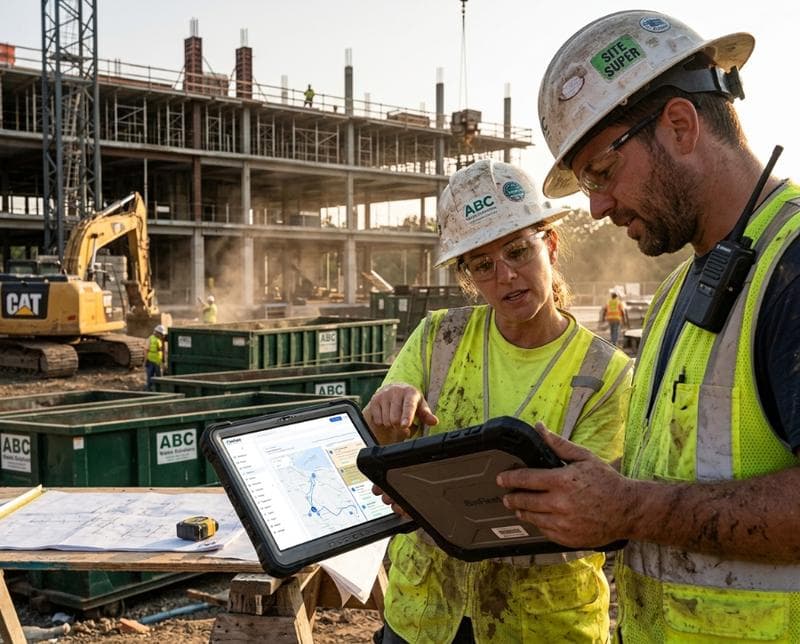
The waste hauling industry has undergone a digital transformation, and driver apps now serve as the backbone of efficient operations. Modern haulers rely on mobile technology to streamline routes, communicate with customers, and maintain accurate service records. What started as basic GPS tracking has evolved into comprehensive mobile platforms that handle everything from photo documentation to real-time status updates.
Today's driver apps do more than just provide directions—they integrate seamlessly with dispatch systems, automate customer communications, and create digital paper trails that protect both drivers and operators. For waste hauling companies competing in an increasingly demanding market, the right driver app can mean the difference between smooth operations and constant firefighting.
Essential Features Every Waste Hauler Driver App Needs
The most effective driver apps combine route optimization with practical field tools that drivers actually want to use. Route management capabilities should include real-time traffic updates, dynamic reordering based on truck capacity, and integration with your existing dispatch system. Photo capture features need to work reliably in various lighting conditions, automatically attach GPS coordinates and timestamps, and sync instantly when cellular coverage returns.
Communication tools within the app should enable drivers to update job status with a single tap, send automated customer notifications, and escalate issues directly to dispatch without phone calls. The interface must remain simple enough for drivers wearing gloves to operate efficiently, while robust enough to handle the demands of a full service day. Apps that require multiple screens or complex navigation steps typically see poor adoption rates among driving teams.
How Mobile Apps Improve Stop Management and Documentation
Traditional paper tickets and clipboards create numerous opportunities for errors, lost documentation, and disputes with customers. Modern driver apps eliminate these issues by automatically logging arrival times, service completion, and any exceptions encountered during the stop. GPS verification ensures that services are documented at the correct location, while photo requirements can be customized based on service type or customer preference.
Digital documentation also enables instant sharing of service proof with customers and office staff. When a customer calls questioning whether their dumpster was emptied, dispatchers can immediately access photos, timestamps, and driver notes from that specific stop. This level of transparency reduces complaint resolution time from hours to minutes while building trust with customers who appreciate the accountability that digital records provide.
Real-Time Status Updates That Keep Everyone Connected
Communication breakdowns between drivers, dispatch, and customers create the majority of service headaches in waste hauling operations. Driver apps solve this by automatically sending status updates at key points throughout the service process—when drivers arrive on site, complete the service, or encounter any issues requiring attention. These updates flow simultaneously to dispatch systems and customer notification channels without requiring manual intervention from drivers.
The real power of automated status updates becomes apparent during busy periods or when routes run behind schedule. Customers receive proactive notifications about delays, dispatchers can redistribute stops among available trucks, and office staff can manage customer expectations before complaints arise. This level of operational visibility transforms reactive customer service into proactive relationship management that actually strengthens customer loyalty during challenging situations.
Photo Documentation That Protects Your Business
Photo requirements have evolved from nice-to-have features into essential business protection tools for waste haulers. Modern apps capture high-quality images that include GPS coordinates, timestamps, and service details automatically embedded in the file metadata. This documentation proves invaluable when handling damage claims, verifying completed services, or resolving billing disputes that might otherwise escalate into costly legal issues.
Smart photo features can also trigger specific workflows based on what the camera detects. Apps can require before and after photos for container swaps, flag contamination issues for immediate dispatch attention, or automatically generate service completion confirmations that customers receive within minutes. The key is implementing photo requirements that enhance rather than slow down service delivery, ensuring drivers view documentation as helpful rather than burdensome.
Integration with Back-Office Systems and Customer Communication
The most successful driver app implementations seamlessly connect field operations with office management systems and customer-facing communications. When drivers complete stops in the mobile app, that information should immediately update inventory systems, trigger billing processes, and send customer notifications without manual data entry. This integration eliminates the double-work that often accompanies new technology adoption and ensures that all stakeholders have access to the same real-time information.
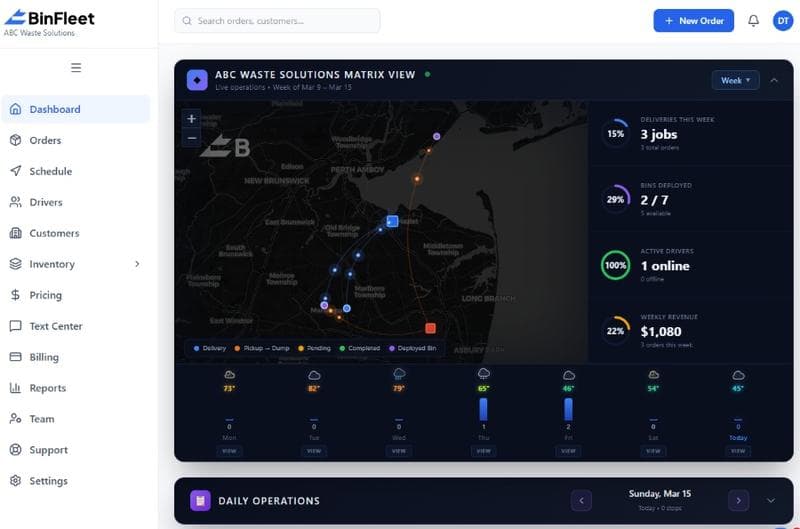
Advanced integrations can automatically schedule follow-up services, flag maintenance needs based on driver observations, and optimize future routes using historical performance data. The goal is creating a connected ecosystem where driver actions in the field automatically trigger appropriate responses throughout your entire operation. BinFleet's integrated platform demonstrates how seamless connectivity between driver apps and back-office systems can transform operational efficiency across your entire business.
Choosing the Right Driver App for Your Hauling Operation
Selecting a driver app requires careful consideration of your specific operational needs and existing technology infrastructure. The app should integrate smoothly with your current dispatch system, work reliably in areas with poor cellular coverage, and provide the specific documentation features your insurance and regulatory requirements demand. Pilot testing with a small group of drivers helps identify usability issues before rolling out company-wide implementation.
Consider long-term scalability when evaluating driver app options, as your needs will likely expand as your operation grows. Apps that offer customizable workflows, flexible reporting options, and strong vendor support provide better value over time than basic solutions that require frequent replacements. Our blog features detailed comparisons and implementation guides that can help you make informed decisions about driver app selection and deployment strategies.
FAQ
How long does it typically take drivers to learn a new mobile app?
Most drivers become comfortable with well-designed apps within a few days of regular use. The key is choosing apps with intuitive interfaces that mirror familiar smartphone functions. Training should focus on the specific workflows drivers will use daily rather than comprehensive feature overviews.
What happens when drivers lose cellular coverage during routes?
Quality driver apps store data locally and sync automatically when connectivity returns. Drivers can continue capturing photos, updating stop status, and accessing route information even in areas with poor cellular coverage. All information uploads seamlessly once the truck returns to coverage areas.
Can driver apps work with existing dispatch and billing systems?
Modern driver apps offer API integrations that connect with most dispatch and billing platforms. The integration process typically takes a few weeks and ensures that driver actions automatically update your existing systems without requiring duplicate data entry or manual processes.
How do photo requirements affect service completion times?
Well-implemented photo features actually speed up service completion by eliminating paperwork and reducing return trips for missed documentation. Drivers spend less time on administrative tasks and more time completing productive stops throughout their routes.
Ready to Streamline Your Operation?
See how BinFleet AI helps waste haulers save time, cut costs, and grow.
Request a Free 30-Day TrialRelated Articles
How Driver Apps Transform Waste Hauling Operations in 2026
How Driver Apps Transform Waste Management Operations in 2026