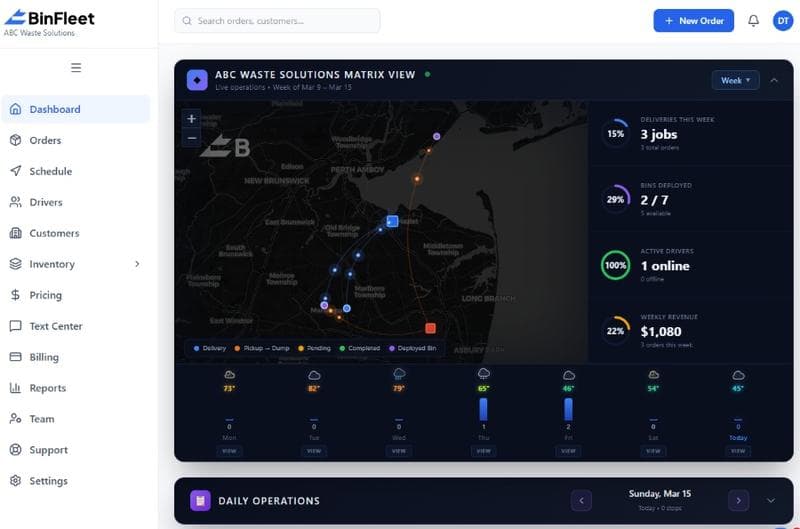
Why Modern Waste Haulers Need Dedicated Driver Mobile Apps

The waste hauling industry has undergone a digital transformation, with mobile driver apps becoming the backbone of efficient operations. Gone are the days when drivers relied solely on paper routes and radio communication to manage their daily pickups and deliveries. Today's successful waste management companies equip their drivers with sophisticated mobile applications that streamline every aspect of the job, from route optimization to customer updates.
These apps have evolved far beyond simple navigation tools. Modern driver applications integrate with dispatch systems, provide real-time communication channels, and offer comprehensive documentation capabilities that protect both drivers and companies from disputes. The result is a more organized, efficient, and profitable operation that keeps customers satisfied and drivers productive throughout their shifts.
Essential Features That Drive Operational Success
The most effective driver apps focus on solving real problems that waste haulers face daily. Route management stands as the cornerstone feature, allowing drivers to view their assigned stops in optimized order while providing flexibility to handle unexpected changes. GPS integration ensures accurate navigation to customer locations, while real-time traffic updates help drivers avoid delays that can cascade through their entire schedule.
Status updates represent another critical functionality that separates basic apps from comprehensive solutions. Drivers need the ability to mark containers as picked up, note any issues, and communicate delays or problems instantly. This real-time visibility allows dispatchers to manage customer expectations proactively and make informed decisions about route adjustments when complications arise.
Photo Documentation and Proof of Service
Visual documentation has become increasingly important in the waste hauling industry, particularly as customer disputes over missed pickups or damaged property continue to rise. Modern driver apps include sophisticated photo capabilities that automatically timestamp and GPS-tag images, creating indisputable records of service completion. These photos serve multiple purposes, from proving pickup completion to documenting pre-existing damage at customer locations.
The integration of photo documentation into daily workflows also improves driver accountability and service quality. When drivers know that each stop requires photo verification, they naturally become more thorough in their work. This documentation proves invaluable during billing disputes, insurance claims, or when investigating customer complaints, ultimately reducing administrative overhead and protecting company revenue.
Real-Time Communication and Customer Updates
Effective communication between drivers, dispatch, and customers has always been crucial for waste hauling operations, but mobile apps have revolutionized how this communication happens. Drivers can now send instant updates about delays, route changes, or service issues without taking time away from their primary responsibilities. This immediate communication prevents small problems from becoming major customer service failures.
Customer notification features have become particularly valuable as expectations for service transparency continue to rise. When drivers mark a container as picked up through their mobile app, customers can receive automatic SMS updates confirming service completion. This proactive communication reduces customer service calls and builds trust by keeping clients informed about their service status throughout the day.
Integration with Dispatch and Management Systems
The true power of mobile driver apps emerges when they integrate seamlessly with existing dispatch and management systems. This integration eliminates the need for duplicate data entry and ensures that information flows smoothly between field operations and back-office functions. When drivers update container statuses or report issues through their mobile app, this information immediately becomes available to dispatchers and customer service representatives.
Comprehensive integration also enables advanced features like dynamic route optimization and predictive maintenance scheduling. As drivers report container conditions and service times through their mobile apps, the system can identify patterns that help optimize future routes and schedule preventive maintenance before equipment failures occur. This data-driven approach to operations management delivers significant cost savings and improves service reliability over time.
Improving Driver Efficiency and Job Satisfaction
Mobile apps significantly impact driver productivity by reducing time spent on administrative tasks and improving route efficiency. When drivers can quickly update statuses, capture required photos, and communicate issues through a single interface, they spend more time focusing on actual service delivery. The apps also reduce errors that occur with manual paperwork, leading to fewer callbacks and corrections that disrupt schedules.
Beyond efficiency gains, well-designed driver apps improve job satisfaction by giving drivers better tools to succeed. Features like turn-by-turn navigation, customer contact information, and service history help drivers feel more confident and professional in their interactions. When drivers can easily access the information they need and communicate effectively with dispatch, their stress levels decrease and job performance improves, leading to better retention rates and reduced training costs.
Choosing the Right Solution for Your Operation
Selecting an effective mobile driver app requires careful consideration of your specific operational needs and existing technology infrastructure. The best solutions offer robust functionality while maintaining simplicity that drivers can quickly adopt. Key evaluation criteria should include offline capabilities for areas with poor cellular coverage, intuitive user interfaces that work well on mobile devices, and comprehensive integration options with your current dispatch systems.
Implementation success depends heavily on proper training and change management. Even the best mobile app will fail if drivers don't understand its benefits or feel overwhelmed by new technology. Companies that invest time in thorough training and gather feedback during the rollout process typically see much higher adoption rates and better return on investment. Consider starting with a pilot program using a small group of drivers before expanding to your entire fleet.
The waste hauling industry continues evolving toward greater digitization and customer service excellence. Mobile driver apps represent a fundamental shift in how successful companies operate, providing the real-time visibility and communication capabilities that modern customers expect. Companies that embrace these technologies position themselves for sustainable growth while improving operational efficiency and driver satisfaction. Experience how BinFleet's mobile driver app can transform your operations with features designed specifically for waste hauling professionals.
Frequently Asked Questions
How long does it take for drivers to learn a new mobile app?
Most drivers become comfortable with well-designed mobile apps within their first week of use, especially when proper training is provided. The key is choosing an app with an intuitive interface that mirrors familiar smartphone functions. Companies typically see full adoption within 2-3 weeks when they provide hands-on training and ongoing support during the transition period.
What happens if drivers lose cellular signal during their routes?
Quality mobile driver apps include offline functionality that allows drivers to continue working even without cellular coverage. The app stores route information, photos, and status updates locally on the device, then automatically syncs this data when connectivity is restored. This ensures that drivers can maintain productivity regardless of network conditions in their service areas.
Can mobile driver apps integrate with our existing dispatch system?
Most modern mobile driver apps offer integration capabilities with popular dispatch and management systems through APIs or direct database connections. The integration process typically involves working with your software providers to ensure smooth data flow between systems. Our blog contains detailed information about integration best practices and common implementation challenges to help you plan your transition effectively.
How do mobile apps help with regulatory compliance and record keeping?
Mobile driver apps automatically create detailed digital records of all service activities, including timestamps, GPS coordinates, and photographic evidence. This documentation significantly simplifies compliance reporting and provides comprehensive audit trails that satisfy regulatory requirements. The apps also help ensure drivers follow proper procedures by building compliance checks into their daily workflows, reducing the risk of violations or safety incidents.
Ready to Streamline Your Operation?
See how BinFleet AI helps waste haulers save time, cut costs, and grow.
Request a Free 30-Day TrialRelated Articles

How Driver Apps Transform Waste Hauling Operations in 2026
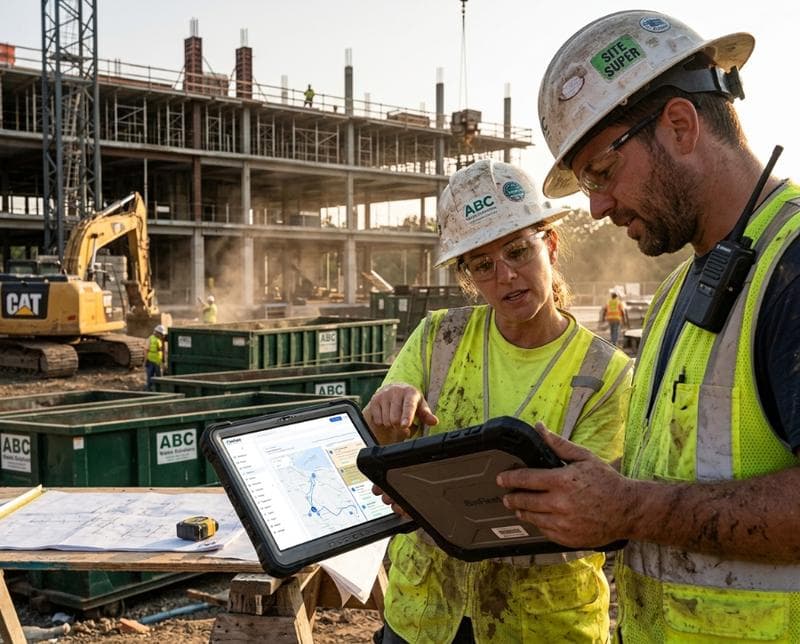
How Driver Apps Transform Waste Management Operations in 2026