How Driver Apps Transform Waste Management Operations in 2026
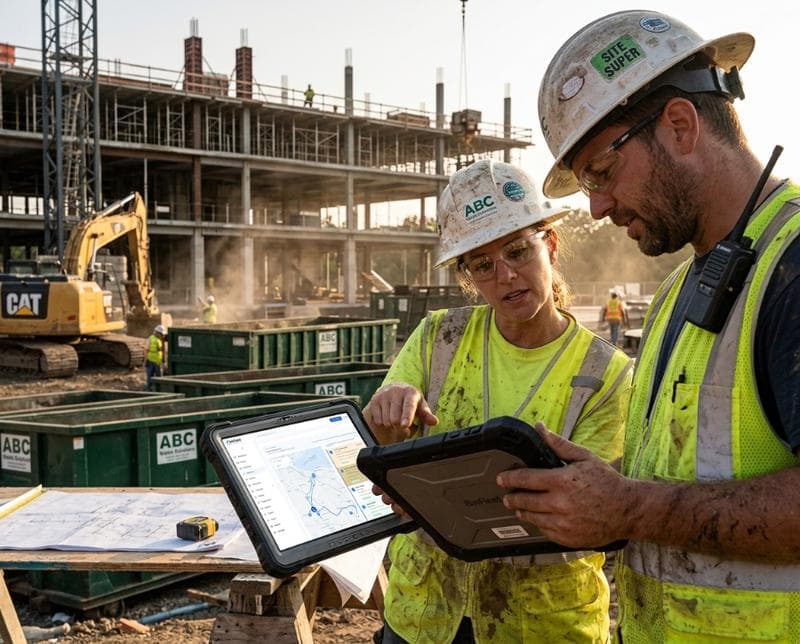
The waste management industry has undergone a dramatic transformation in recent years, with driver mobile apps emerging as game-changing tools for haulers of all sizes. These specialized applications put powerful functionality directly into drivers' hands, enabling real-time communication, streamlined workflows, and enhanced customer service. Modern driver apps go far beyond simple navigation, offering comprehensive solutions that address the unique challenges waste haulers face daily.
For operators managing fleets of any size, the difference between companies using driver apps and those relying on paper tickets or basic dispatch systems has become increasingly stark. Driver apps eliminate communication delays, reduce paperwork errors, and provide instant visibility into field operations. The result is smoother operations, happier customers, and drivers who can focus on their core responsibilities rather than administrative tasks.
Real-Time Route Management and GPS Tracking
Driver apps transform route management by providing turn-by-turn navigation specifically optimized for commercial vehicles and waste collection requirements. These apps account for truck height restrictions, weight limits, and preferred routes that avoid residential areas during restricted hours. Drivers receive their daily manifests digitally, complete with customer notes, special instructions, and any route modifications made by dispatch throughout the day.
GPS tracking capabilities built into these apps provide dispatchers with real-time visibility into driver locations and progress. This transparency allows operations teams to proactively address delays, reroute drivers around traffic incidents, and provide accurate customer updates without constant radio check-ins. The automated tracking also generates valuable data for route optimization, helping operators identify patterns and improve efficiency over time.
Digital Proof of Service and Photo Documentation
One of the most valuable features of modern driver apps is the ability to capture and transmit proof of service documentation instantly. Drivers can photograph container conditions, document site access issues, or record contamination problems directly through the app. These photos are automatically timestamped and GPS-tagged, creating an indisputable record of service conditions and any issues encountered during collection or delivery.
This digital documentation capability significantly reduces disputes and provides concrete evidence for billing purposes or customer communications. When customers question whether service was completed or containers were properly positioned, operators can immediately access photos and timestamps to resolve issues quickly. The elimination of paper tickets and manual photo handling also reduces administrative overhead and ensures nothing gets lost in transit between the field and office.
Instant Communication and Status Updates
Driver apps facilitate seamless communication between field personnel and dispatch teams through integrated messaging systems designed for the waste industry's unique needs. Drivers can report equipment malfunctions, request assistance, or notify dispatch of unexpected situations without taking their hands off the wheel or stopping their trucks. These communication tools often include predefined message templates for common scenarios, making reporting quick and consistent.
Status updates flow automatically from driver actions within the app, keeping dispatch informed of job completion, delays, or customer interactions without requiring manual reporting. This real-time information flow enables dispatchers to make informed decisions about schedule adjustments, emergency responses, or customer service issues as they arise. The improved communication also reduces driver frustration and helps build stronger working relationships between field and office teams.
Customer Service Enhancement Through Mobile Technology
Driver apps enable waste haulers to provide superior customer service by empowering drivers with customer information and communication tools at their fingertips. Drivers can access customer account details, service history, and special instructions before arriving at each stop. This preparation allows them to address customer concerns knowledgeably and professionally, rather than having to promise callbacks or referrals to the office.
Many driver apps also include customer notification features that automatically send SMS updates when drivers are approaching or have completed service. These notifications reduce customer inquiries to the office and demonstrate the professional, technology-forward approach that modern customers expect. When combined with photo documentation, these updates provide customers with peace of mind and clear evidence of service completion.
Integration with Back-Office Operations
The most effective driver apps integrate seamlessly with broader waste management software platforms, ensuring that field activities automatically update central systems without duplicate data entry. Modern platforms like BinFleet synchronize driver app data with dispatching, billing, and customer management systems in real-time. This integration eliminates the disconnect between field operations and office administration that plagued traditional paper-based systems.
Data captured through driver apps feeds directly into invoicing systems, route optimization algorithms, and performance reporting tools. This automation reduces administrative costs and minimizes errors that occur when information must be manually transferred from field reports to computer systems. The result is more accurate billing, better operational insights, and reduced administrative overhead that allows companies to focus resources on growth rather than paperwork.
Implementation and ROI Considerations
Successfully implementing driver apps requires careful consideration of hardware requirements, training needs, and integration capabilities with existing systems. Most modern apps work effectively on standard smartphones or rugged tablets, though companies should evaluate their specific operational environment when choosing devices. Driver training typically requires only a few hours, as most apps are designed with intuitive interfaces that mirror familiar smartphone functionality.
The return on investment for driver apps typically becomes apparent within the first few months of implementation through reduced administrative costs, improved billing accuracy, and enhanced customer satisfaction. Companies often see immediate benefits in reduced customer service calls, faster invoice processing, and improved dispute resolution. For operators considering driver apps, exploring case studies and implementation guides can provide valuable insights into best practices and expected outcomes.
Frequently Asked Questions
What happens if drivers lose cell phone signal during their routes?
Most quality driver apps are designed to work offline and sync data when connectivity is restored. Drivers can continue capturing photos, updating job statuses, and recording information even in areas with poor cell coverage. The app stores this information locally and automatically uploads it when the device reconnects to the network, ensuring no data is lost due to connectivity issues.
How do driver apps handle different types of waste services like roll-off, residential, and commercial?
Modern driver apps are configurable to handle various service types with appropriate workflows for each. Roll-off drivers might have container inspection checklists and delivery confirmation requirements, while residential drivers focus on route efficiency and missed pickup reporting. The app adapts its interface and required actions based on the type of service being performed, ensuring drivers have the right tools for each job.
Can driver apps integrate with existing dispatch and billing systems?
Yes, most professional driver apps offer integration capabilities with popular waste management software platforms. The level of integration varies, but typically includes real-time data synchronization for job statuses, proof of service photos, and route completion information. Companies should evaluate integration options during the selection process to ensure seamless data flow between field operations and back-office systems.
What training is required for drivers to use these mobile apps effectively?
Driver app training is typically straightforward and can often be completed in a single session lasting 1-2 hours. Most apps feature intuitive designs similar to common smartphone applications, making them easy for drivers to learn quickly. Ongoing support and refresher training help ensure drivers utilize all available features effectively and stay current with app updates and new functionality.
Ready to Streamline Your Operation?
See how BinFleet AI helps waste haulers save time, cut costs, and grow.
Request a Free 30-Day TrialRelated Articles
How Driver Apps Transform Waste Hauling Operations in 2026
How Driver Mobile Apps Are Revolutionizing Waste Hauling Operations