How Driver Apps Transform Waste Hauling Operations in 2026
The Problem With Paper Routes and Manual Updates
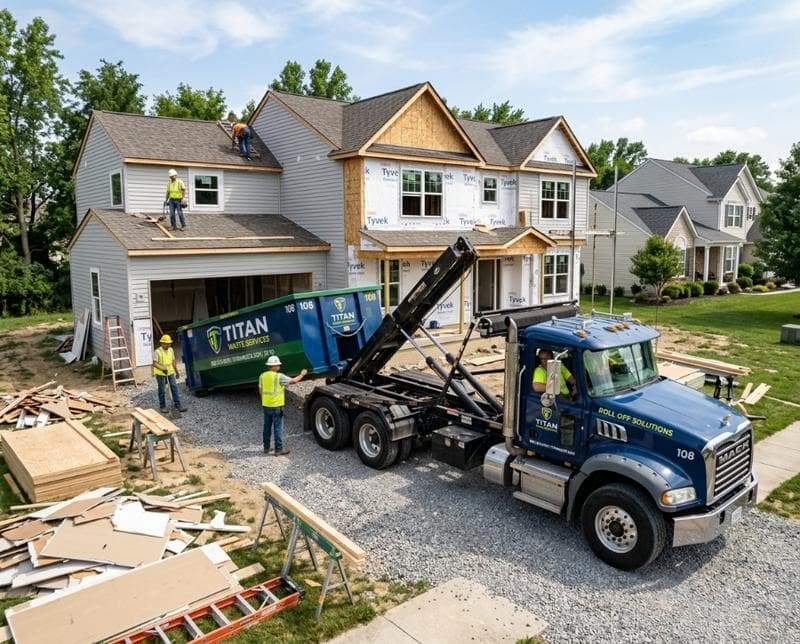
Waste hauling companies still rely on outdated systems where drivers navigate using printed manifests, take photos with personal phones, and manually text or call dispatchers about delays or problems. This fragmented workflow creates blind spots—dispatchers don't know if a stop took longer than expected, customers don't get proactive notifications, and photo evidence gets lost or sent through unsecured channels. The result is missed pickups, billing disputes, and customer frustration that could have been prevented with real-time visibility.
When drivers work without a connected mobile app, communication breaks down. A missed container, a damaged bin, or an address error becomes a support ticket rather than something resolved in seconds. Dispatchers spend hours chasing drivers for updates, and customers call the office wondering why their dumpster wasn't emptied when promised. This manual overhead drains productivity and creates the exact kind of operational friction that modern fleets simply can't afford.
Real-Time Stop Management and Route Optimization
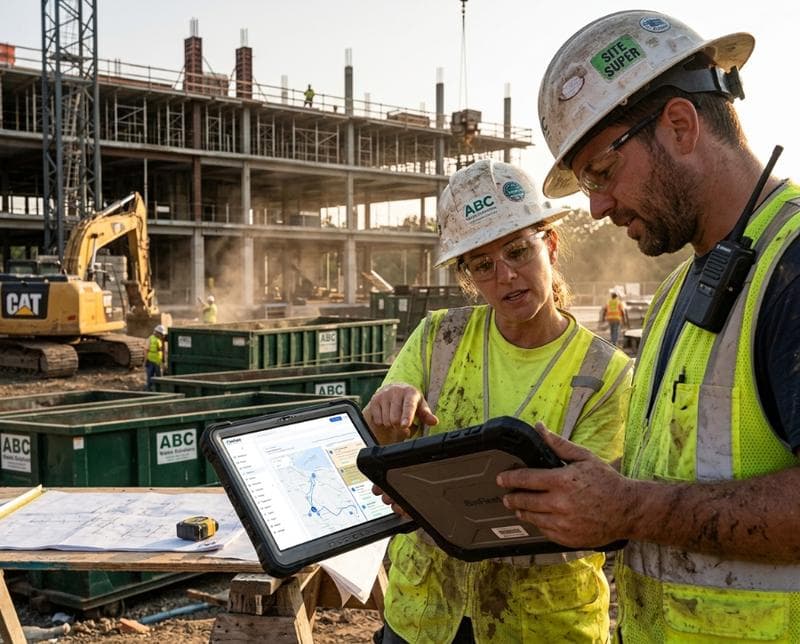
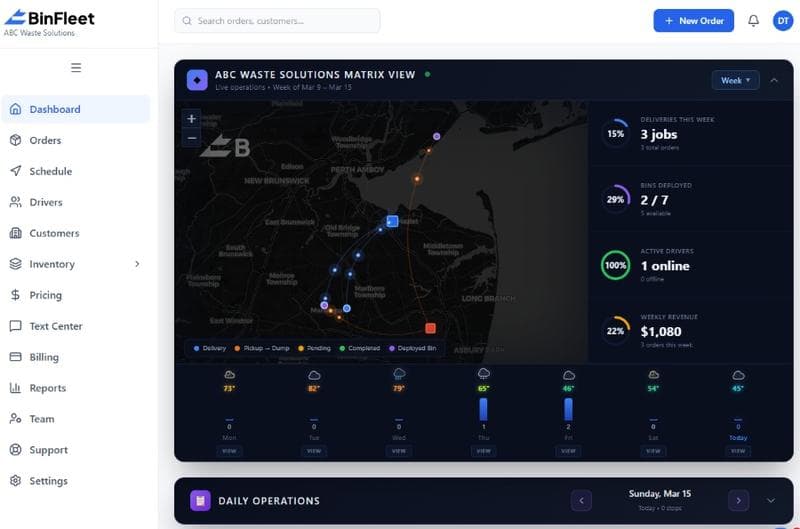
A modern driver app transforms how waste haulers execute their daily routes. Drivers see their assigned stops in order, with customer details, special instructions, and navigation built into one screen. When a driver arrives at a location, they can mark the stop as complete instantly, triggering downstream processes—customer notifications go out automatically, the dispatcher sees updated route progress, and the system recalculates remaining stops and drive times. This real-time visibility means dispatchers can spot delays before they cascade into missed appointments.
Route optimization becomes dynamic when drivers have live updates flowing into the backend system. If a stop is taking longer than expected or an address is incorrect, the driver can flag it immediately, and dispatch can either adjust the remaining route or send a helper to another area. Modern apps also let drivers document exceptions—a customer isn't home, a container is damaged, access is blocked—without leaving the cab. This reduces return trips and the frustration of incomplete work days that plague paper-based operations.
Photo Capture and Documentation That Sticks
Photographic evidence is critical in waste hauling. Customers dispute charges for overfilled bins, damaged containers, or unmarked pickups. Without integrated photo capture in a driver app, drivers use personal phones, save images to random places, and lose them or send them through unsecured channels. A purpose-built driver app lets haulers capture timestamped, geotagged photos directly from each stop, attached to that specific job ticket. When a billing dispute arises weeks later, dispatch has irrefutable proof of what was picked up, the container condition, and when the work occurred.
Photo documentation also protects drivers and companies from liability claims. If a customer claims damage they didn't report at the time, a photo timestamp proves otherwise. If a driver is accused of skipping a stop, the photo proves they were there. Building a photo library across thousands of stops also gives operations managers visibility into which customers have overflow problems, which containers need replacement, and where safety hazards exist. That data becomes actionable intelligence for proactive maintenance and customer service conversations.
Instant Customer Notifications and Status Updates
Customers hate uncertainty. When a driver is running 30 minutes behind schedule, customers want to know. When a pickup is complete, they want confirmation. Manual systems require drivers to call dispatch, dispatch to call customers, or customers to wonder if their bin was emptied. A driver app eliminates this friction by sending automated SMS or in-app notifications directly to customers—"Your pickup is scheduled for 2 PM" before the route starts, "Driver is 10 minutes away" when the truck is nearby, and "Your bin was emptied at 2:47 PM" immediately after the stop completes.
This transparency reduces customer service calls dramatically. When customers receive proactive updates, they don't call to ask where the truck is. When they get photo confirmation of completed work, they don't dispute charges. Modern driver apps integrate with SMS platforms and customer dashboards, creating a seamless communication layer that costs pennies to operate but delivers enormous value in customer satisfaction and operational efficiency. The result is higher retention and more five-star reviews—exactly what waste haulers need to win bids and grow revenue.
Reducing Errors, Disputes, and Return Trips
Operational errors in waste hauling are expensive. A missed stop means a return trip that eats fuel and labor. A billing dispute means hours of customer service and potential lost revenue. An undocumented problem means the customer gets frustrated and calls another hauler next season. Driver apps reduce all three by creating accountability and clarity in real time. When a driver confirms they've emptied a specific bin and the system captures this with timestamp and photo, there's no ambiguity about whether work was completed. Billing disputes drop sharply because the evidence is irrefutable.
Return trips are minimized because drivers have all the information they need before arriving—special instructions, access codes, hazard alerts. If a stop can't be completed, the driver documents why instantly, so dispatch knows whether to send someone else immediately or handle it tomorrow. This structured workflow reduces the chaos of manual workarounds and the emergency trips that puncture margins. Over a season, fewer missed stops and disputes add up to meaningful bottom-line impact.
Choosing and Implementing a Driver App Platform
When evaluating a driver app, waste haulers should prioritize integration with their existing dispatch and accounting systems. A siloed app creates more work, not less—drivers log stops in the app, then someone has to transfer data to the billing system, and information gets lost or duplicated. The best driver apps are built as part of an end-to-end platform that connects dispatch, driver operations, customer communication, and invoicing into one system. Request a demo to see how this integration works in practice and whether the platform matches your operational needs.
Implementation should be straightforward for drivers—the app interface needs to be intuitive enough that someone can learn it in minutes, not hours or days. Haulers should also ensure the app works reliably on older smartphones, since not all drivers use the latest devices. Cloud-based apps that work offline and sync when connectivity returns are essential in rural or fringe coverage areas. Finally, choose a vendor that invests in ongoing development and listens to hauler feedback, because driver workflows evolve and the app needs to keep pace.
FAQ
What if my drivers don't have smartphones or resist using an app?
Most drivers appreciate tools that make their job easier, especially when the app reduces paperwork and confusion. Start with clear training and emphasize concrete benefits—faster stops, fewer return trips, fewer disputes that affect their reliability rating. Some haulers provide company phones to drivers, which also ensures security and data consistency. Resistance typically fades quickly once drivers experience the app in action and see how it eliminates manual hassles.
Can a driver app work without constant internet connection?
Yes. Modern driver apps are designed to work offline—drivers can mark stops as complete, capture photos, and take notes with no signal. When the phone reconnects to WiFi or mobile data, all information syncs automatically to the backend system. This is critical for rural routes and areas with spotty coverage, so make sure the app you choose explicitly supports offline-first functionality.
How does a driver app help with invoicing and billing?
When stop completion, photos, and customer information flow from the driver app into your accounting system automatically, invoicing becomes accurate and fast. There's no manual data entry, no missed stops accidentally omitted from bills, and timestamped photo evidence backs up every charge. This reduces billing disputes and accelerates cash flow—two things every waste hauler cares about.
What's the ROI on implementing a driver app?
ROI typically comes from reduced return trips, fewer billing disputes, faster invoicing, lower customer service overhead, and improved customer retention. A typical waste hauler might recover the platform cost within a few months through fewer exceptions, faster collections, and reduced churn. Read our other operations posts for more specific case studies and benchmarks from haulers like you.
Start Seeing Your Operations in Real Time
Driver apps aren't a luxury feature—they're operational infrastructure that modern waste haulers need to compete and grow. When your drivers can manage stops, capture photos, and keep customers informed from their phone, your entire operation runs tighter. Fewer errors, fewer disputes, fewer frustrated customers. If you're ready to bring your operations into 2026 and see what real-time visibility actually looks like, schedule a quick demo of BinFleet's driver app and integrated platform. Start a free trial today and watch how it transforms your dispatch, billing, and customer experience.
Ready to Streamline Your Operation?
See how BinFleet AI helps waste haulers save time, cut costs, and grow.
Request a Free 30-Day Trial