How Driver Apps Transform Waste Hauling Operations

The waste hauling industry has undergone a dramatic transformation with the adoption of mobile driver applications. These specialized tools put powerful operational capabilities directly in the hands of drivers, eliminating the need for paper logs, manual reporting, and constant radio communication with dispatch. Modern driver apps serve as the critical link between field operations and back-office management, enabling real-time visibility into route progress, container status, and service completion.
As waste management companies face increasing pressure to improve efficiency and customer satisfaction, driver apps have become essential infrastructure rather than optional technology. The most successful operations in 2026 recognize that empowering drivers with mobile tools creates a ripple effect of improvements throughout the entire business, from reduced administrative overhead to enhanced customer communication and better operational decision-making.
Real-Time Route Management and Navigation
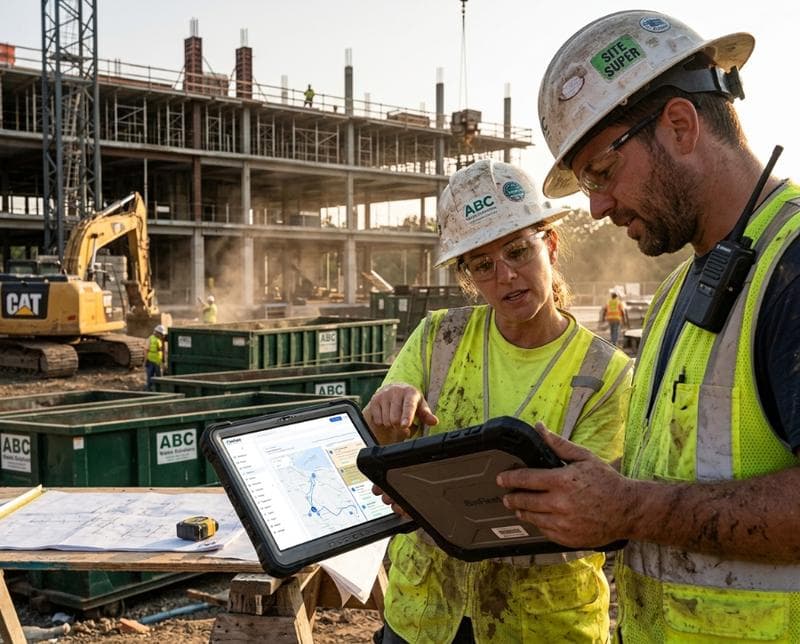
Driver apps transform route management by providing dynamic, GPS-enabled navigation that adapts to real-world conditions. Instead of relying on printed route sheets that become obsolete the moment traffic patterns change, drivers receive turn-by-turn directions that automatically reroute around construction zones, accidents, or road closures. This intelligent routing capability reduces fuel consumption and ensures drivers can complete their routes efficiently, even when unexpected obstacles arise.
The integration between route optimization and mobile applications creates unprecedented flexibility in daily operations. Dispatchers can push route modifications directly to driver devices, allowing for last-minute customer additions or emergency pickups without disrupting the entire schedule. This real-time communication eliminates the frustration of radio tag and reduces the time drivers spend waiting for dispatch instructions, ultimately increasing the number of stops completed per day.
Digital Photo Documentation and Proof of Service
Photo documentation through driver apps eliminates disputes and provides concrete evidence of service completion. Drivers can capture images of containers before and after service, documenting overweight situations, contamination issues, or access problems that affect service delivery. These timestamped, GPS-tagged photos become part of the permanent service record, protecting both the hauling company and the customer from misunderstandings about service quality or completion.
The automated nature of photo capture within driver workflows ensures consistent documentation without adding significant time to each stop. Modern driver apps integrate photo requirements into the service completion process, making it impossible to mark a stop as complete without capturing the necessary images. This systematic approach to documentation reduces liability exposure and provides valuable data for customer service representatives when addressing billing questions or service complaints.
Automated Customer Communication and Status Updates
Driver apps enable automatic customer notifications that keep clients informed throughout the service process. When a driver marks a container as serviced, customers can receive instant SMS updates confirming pickup completion, next service date, or any issues that required attention. This proactive communication reduces inbound calls to customer service and demonstrates the professional, technology-forward approach that commercial customers expect from their service providers.
The ability to send real-time updates becomes particularly valuable when service delays or route changes affect scheduled pickup times. Customers receive notifications if their service window shifts, allowing them to adjust their own schedules accordingly. This transparency builds trust and reduces the frustration that often accompanies unexpected service delays, ultimately improving customer retention and satisfaction scores.
Inventory Tracking and Container Management
Mobile apps provide drivers with complete visibility into container inventory, including delivery requirements, pickup schedules, and maintenance needs. When delivering containers to new customers, drivers can scan QR codes or enter container numbers to automatically update inventory records and trigger billing processes. This real-time inventory management prevents containers from being lost or forgotten at customer sites, protecting valuable assets and ensuring accurate billing.
Container tracking through driver apps also streamlines maintenance and replacement workflows. Drivers can flag damaged containers directly through the mobile interface, automatically generating work orders for repairs or replacements. This immediate reporting prevents damaged containers from remaining in service, reducing safety risks and maintaining the professional appearance that customers expect from their waste management provider.
Performance Analytics and Driver Accountability
Driver apps generate detailed performance metrics that help operations managers identify efficiency opportunities and recognize top performers. Data on stops per hour, route completion times, and customer satisfaction scores provide objective measures of driver performance, enabling fair evaluation and targeted coaching. These analytics help operations managers understand which drivers consistently excel and which may benefit from additional training or route adjustments.
The transparency provided by mobile tracking also encourages driver accountability without creating an adversarial relationship between management and field staff. When drivers understand that their performance is measured fairly using consistent metrics, they often embrace the technology as a tool that showcases their professionalism and efficiency. This data-driven approach to performance management reduces subjectivity in evaluations and helps create a culture of continuous improvement throughout the organization.
Integration with Dispatch and Back-Office Systems
The true power of driver apps emerges through seamless integration with dispatch systems and back-office operations. When drivers complete stops, update container status, or capture photos, this information immediately flows into the central management system where dispatchers and customer service representatives can access it. This real-time data synchronization eliminates the lag time that traditionally exists between field operations and office awareness, enabling faster response to customer inquiries and operational challenges.
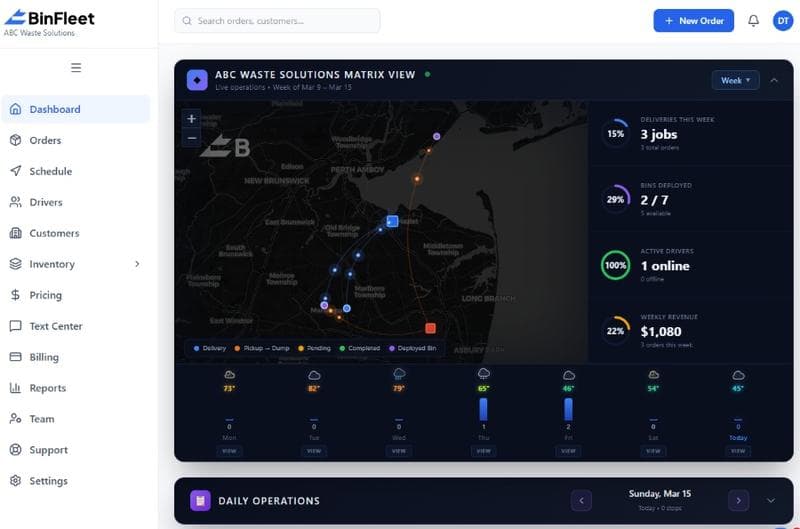
Modern driver apps connect with comprehensive waste management platforms like BinFleet, creating a unified operational ecosystem where route optimization, customer communication, billing, and performance analytics work together seamlessly. This integration reduces data entry errors, eliminates duplicate work between field and office staff, and provides managers with the complete operational visibility needed to make informed decisions about routing, customer service, and business growth opportunities.
FAQ
What features should waste haulers look for in a driver app?
The most important features include GPS navigation with real-time route updates, photo capture capabilities for proof of service, automatic customer notifications, and offline functionality for areas with poor cellular coverage. Look for apps that integrate seamlessly with your existing dispatch and billing systems to avoid data silos.
How do driver apps improve customer satisfaction?
Driver apps enable automatic service notifications, provide photo proof of completed work, and allow for real-time communication about service delays or issues. This transparency and proactive communication significantly reduces customer complaints and demonstrates professionalism that commercial clients value highly.
Can driver apps work without constant internet connection?
Quality driver apps include offline functionality that allows drivers to complete their routes and capture data even in areas with poor cellular coverage. The app synchronizes all collected data once connectivity is restored, ensuring no information is lost during the workday.
How long does it take for drivers to learn a new mobile app?
Most drivers adapt to well-designed apps within 2-3 days of regular use. The key is choosing an app with intuitive navigation and providing proper training during implementation. Apps designed specifically for waste hauling operations typically require less training time than generic fleet management solutions.
Ready to see how a driver app can transform your waste hauling operations? Schedule a demo to explore how BinFleet's mobile driver tools integrate with complete operational management, or visit our blog for more insights on modernizing waste management operations.
Ready to Streamline Your Operation?
See how BinFleet AI helps waste haulers save time, cut costs, and grow.
Request a Free 30-Day TrialRelated Articles

How Driver Apps Transform Waste Hauling Operations in 2026
How Driver Apps Transform Waste Management Operations in 2026