How Driver Mobile Apps Are Revolutionizing Waste Hauling Operations
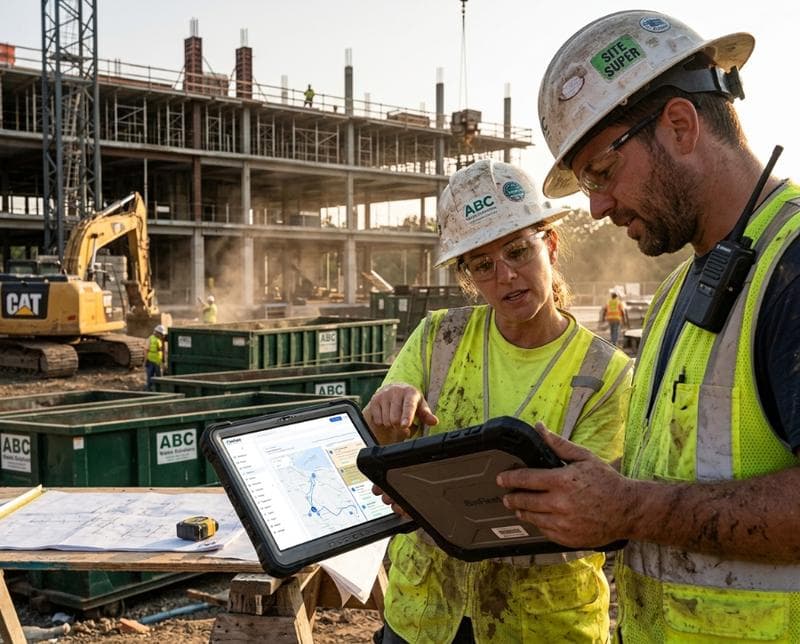
The waste hauling industry has undergone a dramatic transformation in recent years, with driver mobile apps emerging as the cornerstone of efficient operations. Gone are the days when drivers relied on paper routes and radio check-ins, only to return to the yard with incomplete information about missed pickups or customer issues. Today's driver apps provide real-time connectivity between the field and the office, creating seamless workflows that benefit drivers, dispatchers, and customers alike.
Modern waste hauling operations demand precision, accountability, and speed. Driver apps deliver on all three fronts by digitizing the entire pickup process, from route optimization to customer communication. Companies using these systems report significant improvements in operational efficiency, customer satisfaction, and driver productivity, making mobile apps not just a convenience but a competitive necessity in today's market.
Real-Time Route Management and Navigation
Driver apps have revolutionized how waste haulers manage daily routes, replacing printed manifests with dynamic, GPS-enabled route lists that update throughout the day. Drivers can see their complete schedule, receive turn-by-turn navigation to each stop, and automatically reorder routes based on traffic conditions or emergency additions. This real-time flexibility allows dispatchers to add last-minute pickups or reroute drivers around traffic delays without lengthy phone calls or confusion.
The integration of GPS tracking with route management creates unprecedented visibility for operations managers. Dispatchers can monitor driver locations, estimated arrival times, and route progress without interrupting drivers with status calls. When customers call asking about pickup times, office staff can provide accurate ETAs based on live driver locations, dramatically improving customer service while reducing administrative burden on both drivers and office personnel.
Automated Photo Documentation and Proof of Service
One of the most valuable features of modern driver apps is automated photo capture that creates indisputable proof of service for every stop. Drivers can quickly snap photos of containers before and after service, capture images of blocked access or contaminated loads, and document any issues that prevent normal pickup. These photos automatically sync to the office system with GPS coordinates and timestamps, creating a permanent record that protects the company from billing disputes and liability claims.
The photo documentation feature has transformed how waste haulers handle customer complaints and billing inquiries. Instead of relying on driver memory or handwritten notes, dispatchers can instantly access visual proof of service conditions, container placement, or contamination issues. This capability has proven invaluable for companies dealing with commercial customers who may dispute service dates or claim containers weren't serviced, providing clear evidence that resolves conflicts quickly and professionally.
Instant Status Updates and Communication
Driver apps enable instant communication between field personnel and the office through structured status updates and messaging systems. Drivers can mark stops as complete, report issues like blocked access or contaminated loads, and request assistance without taking their hands off the wheel or interrupting their workflow. These status updates immediately appear in the dispatch system, allowing office staff to address problems proactively and keep customers informed about any service delays.
The streamlined communication provided by driver apps eliminates the constant radio chatter and phone calls that previously disrupted both drivers and dispatchers throughout the day. Drivers can focus on safe, efficient service delivery while dispatchers receive structured, actionable information about route progress and any issues requiring attention. This improved communication flow reduces stress for everyone involved while ensuring that problems are identified and resolved quickly.
Container Inventory and Service Tracking
Modern driver apps include sophisticated container tracking capabilities that help waste haulers maintain accurate inventory records and optimize asset utilization. Drivers can scan QR codes or RFID tags on containers to log service events, track container locations, and identify units that need repair or replacement. This real-time inventory management prevents containers from being lost or forgotten at job sites while ensuring that customers receive properly maintained equipment.
The integration of container tracking with service records creates valuable operational insights for waste hauling companies. Operations managers can analyze container utilization rates, identify frequently damaged units, and optimize container deployment across their service area. This data-driven approach to fleet management reduces equipment costs and improves service reliability while providing the documentation needed for accurate billing and customer relationship management.
Customer Communication and Service Updates
Driver apps have transformed customer communication by enabling automated notifications that keep clients informed about service status without requiring manual intervention. When drivers complete a pickup, customers can receive automatic SMS or email confirmations with service photos and timestamps. If issues arise, such as blocked access or contaminated loads, customers receive immediate notifications explaining the situation and next steps, reducing confusion and preventing complaints.
This automated communication system significantly reduces the administrative burden on office staff while improving customer satisfaction through proactive updates. Customers appreciate knowing exactly when their containers were serviced and seeing photographic proof of pickup completion. For commercial clients, these detailed service records support their own operational planning and waste management compliance requirements, making the waste hauler a more valuable service partner.
Integration with Fleet Management Systems
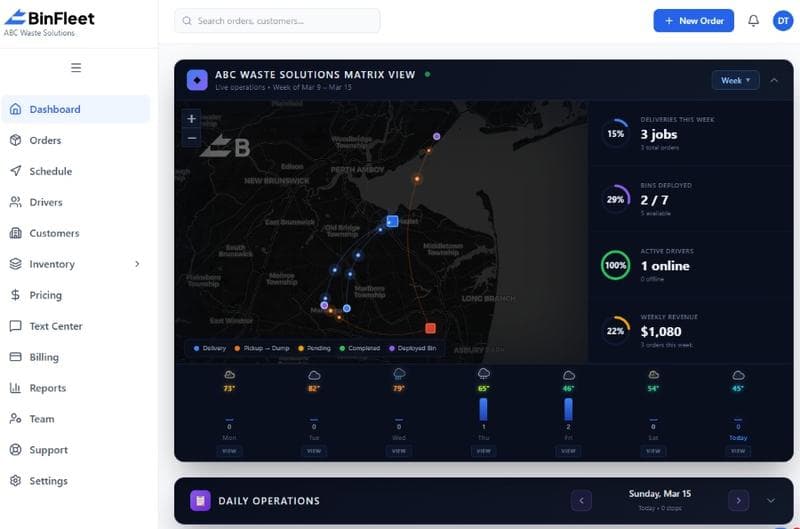
The most effective driver apps integrate seamlessly with comprehensive fleet management platforms, creating unified systems that handle everything from route optimization to billing and customer relationship management. These integrated solutions eliminate data silos and manual data entry while providing operations managers with comprehensive dashboards that show real-time performance metrics across their entire fleet. Companies can track driver productivity, route efficiency, and customer satisfaction through a single interface.
When evaluating driver app solutions, waste hauling companies should prioritize platforms that offer robust integration capabilities with their existing systems. A comprehensive platform like BinFleet provides driver apps as part of a complete operational suite, ensuring that field data flows seamlessly into dispatch, billing, and customer management workflows. This integrated approach maximizes the value of mobile technology while minimizing the complexity of managing multiple software solutions.
Frequently Asked Questions
Do drivers need special training to use mobile apps effectively?
Most modern driver apps are designed with intuitive interfaces that require minimal training. Drivers typically need just 15-30 minutes of hands-on training to master the basic functions like marking stops complete, taking photos, and updating service status. The apps are built to be simple and efficient, recognizing that drivers need to focus on safe operation of their vehicles rather than complex software navigation.
How do driver apps work in areas with poor cell coverage?
Quality driver apps include offline functionality that allows drivers to complete their work even without cellular connection. The apps store route information, capture photos, and record status updates locally on the device, then automatically sync all data when connectivity is restored. This ensures that operations continue smoothly regardless of network conditions in rural or remote service areas.
Can driver apps help reduce fuel costs and improve route efficiency?
Yes, driver apps with integrated GPS and route optimization can significantly reduce fuel costs by providing the most efficient paths between stops and helping drivers avoid traffic delays. The real-time tracking also helps dispatchers identify inefficient driving patterns and provide coaching to improve fuel economy. Many companies report 10-15% reductions in fuel costs after implementing comprehensive driver app systems.
What happens if a driver's phone breaks or gets lost during their route?
Professional driver app solutions include backup procedures for device failures, such as the ability to complete routes using any smartphone or tablet with the app installed. The cloud-based nature of these systems means that route information and completed stops are always accessible from any device. Companies typically maintain spare devices or allow drivers to use personal phones as backups when necessary.
Ready to see how driver mobile apps can transform your waste hauling operations? Schedule a demo to explore how BinFleet's integrated platform can streamline your field operations while improving customer service and operational efficiency.
Ready to Streamline Your Operation?
See how BinFleet AI helps waste haulers save time, cut costs, and grow.
Request a Free 30-Day Trial