How Dumpster Rental CRM Systems Drive Customer Retention and Revenue Growth
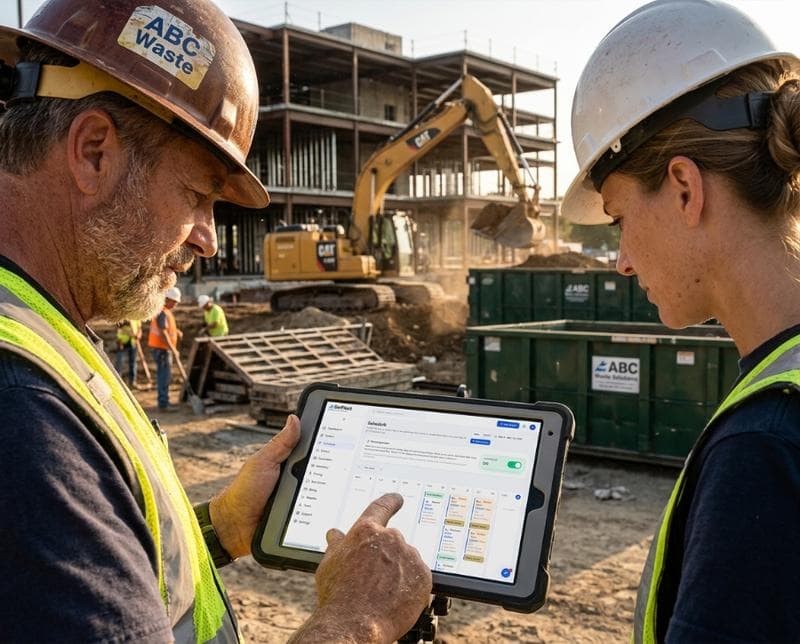
The dumpster rental industry operates on tight margins, making customer retention absolutely critical for sustainable growth. While many operators focus solely on acquiring new accounts, the real profit lies in keeping existing customers coming back. A dedicated customer relationship management system transforms how waste haulers interact with their customer base, turning one-time renters into loyal, repeat clients.
Modern CRM systems designed for the waste industry go beyond simple contact management. They track customer preferences, rental history, payment patterns, and communication touchpoints to create a complete picture of each account. This comprehensive view enables operators to provide personalized service that keeps customers satisfied and generates predictable recurring revenue.
Understanding Customer Lifecycles in Waste Management
Every dumpster rental customer follows a predictable journey from initial inquiry to potential long-term partnership. Contractors typically start with small projects, testing your reliability and service quality before committing to larger jobs. Property managers and commercial accounts often have seasonal patterns or recurring needs that create opportunities for scheduled service agreements. Understanding these lifecycle patterns allows operators to anticipate customer needs and proactively offer solutions.
A CRM system captures these behavioral patterns automatically, tracking when customers typically need service, what container sizes they prefer, and how they like to communicate. This data becomes invaluable for timing follow-up calls, suggesting appropriate container sizes for new projects, and identifying upselling opportunities. Operators who track these patterns report 30% higher success rates when reaching out to previous customers for new business.
Tracking Revenue Opportunities Across Customer Segments
Different customer segments generate revenue in distinct ways, and successful operators treat them accordingly. Residential customers typically need one-time services for home cleanouts or renovations, while construction companies require ongoing partnerships with flexible scheduling and volume discounts. Commercial accounts often prefer predictable monthly billing arrangements and may need additional services like recycling or hazardous waste disposal.
CRM systems excel at segmenting customers based on their revenue potential and service requirements. Property management companies that rent 50 containers annually deserve different attention than homeowners doing a single garage cleanout. This segmentation enables operators to allocate sales and customer service resources more effectively, ensuring high-value accounts receive the attention they deserve while streamlining service for smaller customers through automated communications and self-service options.
Automating Follow-Up Communications for Repeat Business
The most successful dumpster rental companies stay top-of-mind with their customers through consistent, valuable communication. However, manually tracking when to follow up with hundreds of customers becomes impossible as businesses grow. Automated communication sequences ensure no customer falls through the cracks while maintaining the personal touch that builds strong relationships.
Effective follow-up campaigns include project completion surveys, seasonal reminders for property cleanups, and proactive outreach when customers haven't booked in several months. A landscaping contractor who rented containers for spring cleanup should receive automated reminders about fall leaf removal services. Property managers benefit from quarterly check-ins about upcoming renovation projects or tenant turnover cleanouts. These automated touchpoints generate 15-20% of repeat business for operators who implement them consistently.
Measuring Customer Satisfaction and Preventing Churn
Losing an existing customer costs far more than most operators realize. Beyond the immediate revenue loss, dissatisfied customers often share negative experiences with others in their industry, damaging your reputation within specific market segments. CRM systems help identify at-risk accounts before they leave by tracking satisfaction scores, complaint patterns, and engagement levels.
Regular satisfaction surveys integrated into your CRM provide early warning signs when service quality slips or customers consider switching providers. Customers who rate their experience below a certain threshold can trigger automatic alerts for your sales team to intervene with special attention or service recovery efforts. This proactive approach typically recovers 60-70% of at-risk relationships before they result in lost accounts.
Integrating CRM with Dispatch and Operations
The most powerful CRM implementations connect customer relationship data directly with operational systems. When dispatchers can see that a particular customer always needs extra pickup time due to difficult site access, they can schedule appropriate service windows. If a commercial account has complained about late deliveries in the past, the system can flag their orders for priority treatment.
This integration creates seamless experiences that strengthen customer relationships through consistent service delivery. Customers notice when their preferences are remembered and their concerns are proactively addressed. Advanced platforms like BinFleet combine CRM functionality with dispatch management, ensuring customer insights translate directly into operational improvements that drive retention and satisfaction.
Building Long-Term Account Value Through Data Insights
The real power of CRM emerges over time as customer data accumulates and patterns become clear. Year-over-year rental data reveals seasonal trends that help with capacity planning and proactive marketing campaigns. Customer lifetime value calculations identify which acquisition channels bring the most profitable long-term relationships. Service history analysis shows which operational improvements have the biggest impact on customer satisfaction.
This historical perspective enables strategic decision-making about pricing, service offerings, and market expansion. Operators discover that certain customer types generate consistent profit while others require disproportionate effort. Armed with this knowledge, they can refine their marketing focus and service delivery to attract and retain the most valuable accounts while streamlining service for smaller customers.
Frequently Asked Questions
What's the difference between CRM for dumpster rentals and general business CRM?
Dumpster rental CRM systems are specifically designed for the unique needs of waste haulers, including container inventory tracking, route optimization, and integration with dispatch operations. General business CRMs lack these industry-specific features and require extensive customization to be useful for waste management companies.
How quickly can operators see results from implementing CRM?
Most operators notice improved customer communication and follow-up within the first month of implementation. Measurable improvements in customer retention and repeat business typically appear within 3-6 months as automated follow-up campaigns begin generating results and customer data accumulates.
Can CRM systems work for smaller dumpster rental operations?
Modern CRM platforms scale effectively for operations of all sizes. Small operators benefit from automated follow-up communications and customer tracking just as much as larger companies. The key is choosing a system that grows with your business rather than starting with overly complex enterprise solutions.
Customer relationship management represents a competitive advantage that compounds over time in the dumpster rental industry. Operators who invest in understanding and nurturing their customer relationships consistently outperform competitors focused solely on operational efficiency. Discover how BinFleet's integrated CRM and operations platform can help you build stronger customer relationships while streamlining your business operations.
Ready to Streamline Your Operation?
See how BinFleet AI helps waste haulers save time, cut costs, and grow.
Request a Free 30-Day Trial