How CRM Systems Transform Dumpster Rental Customer Retention and Revenue Growth
Dumpster rental companies often treat customer relationships as transactional—a one-time rental followed by payment collection. This approach leaves significant revenue on the table while competitors with better customer relationship strategies capture repeat business and referrals. Smart operators understand that customer retention costs far less than acquisition and drives predictable growth through repeat orders, contract renewals, and expanded service offerings.
A specialized CRM system transforms how waste hauling companies manage customer relationships by consolidating every interaction, tracking service history, and identifying opportunities for account expansion. Unlike generic business software, dumpster rental CRM platforms understand the unique needs of waste management operations, from seasonal demand patterns to multi-location customer accounts that require coordinated service delivery.
Why Standard Contact Management Falls Short for Waste Haulers
Many dumpster rental companies rely on spreadsheets, basic contact apps, or construction-focused software that treats every customer interaction as isolated events. These tools miss critical context about customer preferences, service history, and relationship dynamics that drive long-term value. Without proper customer data organization, dispatchers struggle to provide personalized service, sales teams miss upselling opportunities, and operations managers cannot identify why customers defect to competitors.
The complexity of waste management relationships demands more sophisticated tracking than simple contact lists can provide. Commercial customers often have multiple decision-makers, varying seasonal needs, and specific service requirements that change based on project types or business growth. Residential customers develop preferences for pickup timing, container sizes, and communication methods that impact satisfaction and retention rates when properly managed.
Essential CRM Features That Drive Customer Retention
Effective dumpster rental CRM systems capture comprehensive customer profiles that include service history, preferred communication channels, billing preferences, and relationship notes from every team member interaction. This centralized information enables consistent service delivery regardless of which employee handles future orders or customer service inquiries. When customers feel recognized and understood, they develop loyalty that translates into repeat business and positive word-of-mouth marketing.
Advanced CRM platforms integrate directly with dispatching and billing systems to provide real-time visibility into customer account status, payment history, and service performance metrics. This integration eliminates the manual data entry that creates errors and delays while enabling proactive communication about delivery schedules, service reminders, and account updates. Customers appreciate businesses that communicate clearly and consistently, which builds trust and reduces the likelihood of switching to competitors.
Identifying Revenue Growth Opportunities Through Data Analysis
Customer relationship data reveals patterns that drive strategic business decisions when properly analyzed and acted upon. CRM systems track which customers consistently order larger containers, request additional services, or expand their waste management needs over time. This intelligence helps sales teams approach existing customers with relevant upgrade offers and service expansions that provide genuine value rather than generic upselling attempts.
Seasonal analysis within CRM platforms identifies customers who increase their waste volume during specific periods, enabling proactive outreach and capacity planning that ensures service availability during peak demand. Companies that anticipate customer needs and prepare accordingly capture more business while competitors scramble to meet unexpected demand surges. This strategic approach to customer relationship management transforms reactive operations into proactive service providers that customers rely on for consistent availability.
Automating Customer Communication for Better Relationships
Modern CRM systems automate routine customer communications while maintaining personal touch points that build relationships over time. Automated service reminders, delivery confirmations, and follow-up surveys ensure consistent customer engagement without overwhelming staff with manual tasks. These automated touchpoints keep your company top-of-mind when customers need waste management services while freeing employees to focus on complex customer issues that require human attention.
Strategic communication automation includes birthday messages for key decision-makers, anniversary reminders of first service dates, and seasonal check-ins that demonstrate ongoing care for customer success. These personal touches differentiate your company from competitors who only contact customers when collecting payments or addressing service issues. Customers remember businesses that make them feel valued beyond transactional relationships, which creates emotional loyalty that withstands price competition and service disruptions.
Measuring Customer Lifetime Value and Retention Metrics
CRM analytics provide clear visibility into customer lifetime value, retention rates, and revenue trends that guide strategic planning and operational improvements. Understanding which customer segments generate the highest long-term value helps prioritize service quality investments and sales efforts for maximum return on investment. Companies that measure and optimize customer lifetime value consistently outperform competitors who focus solely on transaction volume and short-term profits.
Retention metrics within CRM systems identify early warning signs of customer dissatisfaction before accounts are lost to competitors. Tracking communication frequency, service complaint patterns, and payment behaviors reveals customers at risk of defection, enabling proactive intervention through improved service delivery or account management attention. Preventing customer churn costs significantly less than acquiring new customers while protecting revenue streams that support business growth and operational stability.
Implementing CRM Successfully in Waste Management Operations
Successful CRM implementation requires buy-in from all customer-facing team members who must consistently update customer interaction records and follow established communication protocols. Training programs should emphasize how CRM data improves job performance and customer service rather than adding administrative burden to daily operations. When employees understand that better customer information makes their work easier and more effective, adoption rates improve and data quality remains high.
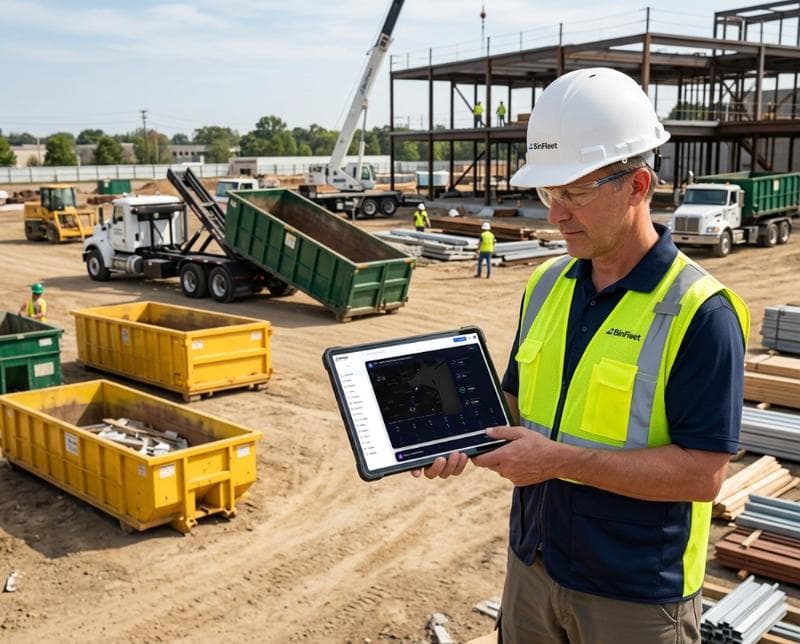
Integration between CRM systems and existing operational software ensures seamless data flow without duplicate entry or system conflicts that frustrate users and compromise data accuracy. Companies considering CRM implementation should evaluate platforms designed specifically for waste management operations rather than generic business software that requires extensive customization. Specialized solutions like BinFleet understand the unique requirements of dumpster rental operations and provide pre-configured features that deliver immediate value without complex setup processes.
Frequently Asked Questions
How much does CRM software typically cost for dumpster rental companies?
CRM pricing varies widely based on features, user count, and integration requirements, typically ranging from $50 to $300 per user per month for specialized waste management platforms. The investment pays for itself through improved customer retention, increased average order values, and reduced administrative overhead. Most companies see positive ROI within six months of proper implementation.
Can CRM systems integrate with existing dispatching and billing software?
Modern CRM platforms offer extensive integration capabilities with popular waste management software through APIs and direct database connections. These integrations eliminate duplicate data entry while ensuring customer information remains synchronized across all business systems. Proper integration setup during implementation prevents data silos and workflow disruptions that reduce system effectiveness.
What customer data should waste haulers track in their CRM?
Essential customer data includes contact information, service history, container preferences, billing details, communication preferences, and relationship notes from all team interactions. Advanced tracking covers seasonal usage patterns, growth trends, referral sources, and competitive intelligence that supports strategic account management. The goal is comprehensive customer understanding that enables personalized service delivery and proactive relationship management.
How long does it take to see results from CRM implementation?
Most dumpster rental companies notice improved customer communication and organization within the first month of CRM usage. Measurable improvements in customer retention and revenue growth typically appear after three to six months as relationship management processes mature and customer data accumulates. Long-term benefits continue growing as companies develop sophisticated customer segmentation and targeted marketing strategies based on CRM insights.
Ready to Streamline Your Operation?
See how BinFleet AI helps waste haulers save time, cut costs, and grow.
Request a Free 30-Day Trial