How Dumpster Rental Companies Keep Commercial Accounts From Churning
Why Commercial Customers Leave (And When They Do)
Commercial dumpster rental customers—construction firms, retailers, multi-family properties—are more likely to churn than residential clients because they're price-sensitive, service-dependent, and constantly evaluating alternatives. A single missed pickup, miscommunication about billing, or failure to respond to a service request gives them permission to call your competitor. The problem compounds when customers don't feel like they matter to your company. If your team treats them as transaction numbers rather than revenue anchors, they'll leave within 12 months.
Most churn happens between months 3 and 9 of a contract. This is when the initial excitement wears off and customers experience their first real operational friction. If you haven't proactively built trust by then—through consistent communication, transparent billing, and reliable service—they'll test alternatives. The financial impact is brutal: acquiring a replacement commercial account costs 5–7 times more than retaining an existing one.
Real-Time Communication Keeps Customers Confident
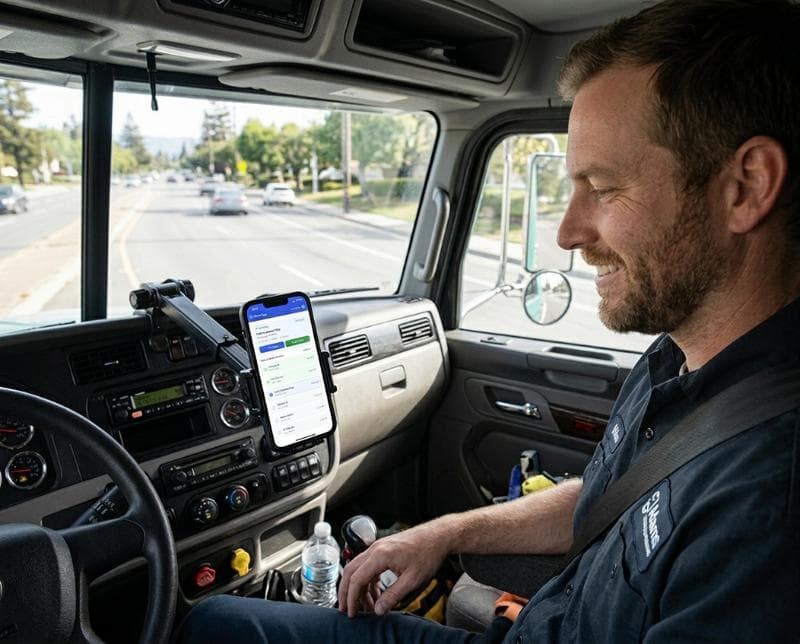
Commercial customers need visibility into their service before it happens. When a dumpster is scheduled for pickup, they should know the driver's ETA, not receive a call 30 minutes before asking if the driver is still coming. This uncertainty creates friction internally—their staff can't plan, site managers get frustrated, and account managers feel powerless. Implementing automated SMS and email notifications for pickups, swaps, and service changes eliminates guesswork and reduces the perception that your company is disorganized.
The best retention systems send proactive updates, not reactive apologies. If a driver is 15 minutes late, the customer should hear from you before they call complaining. If there's a billing discrepancy, clarify it before the invoice hits their desk. This level of communication signals competence and respect, which builds trust faster than competitive pricing ever could. Our operations blog includes case studies from companies that improved retention 22% simply by upgrading their communication infrastructure.
Transparent Billing Prevents Account Cancellations
Billing surprises are the #1 reason commercial customers initiate churn conversations. They signed a contract for a specific rate, then received overage charges, fuel surcharges, or volumetric fees they didn't anticipate. When account managers can't clearly explain the charges, customers assume they're being nickeled-and-dimed. This erodes trust immediately. Transparent, itemized invoices that break down base fees, overage costs, and any surcharges should be standard—not a special request that takes three days to produce.
Modern waste haulers also use automated billing systems to catch discrepancies before they reach the customer. If a customer's account is trending toward overages, proactive outreach gives them time to adjust bin size or frequency rather than face sticker shock. This approach positions your company as a partner solving their cost problem, not a vendor extracting every dollar possible. Customers who understand and accept their invoices have 4x better retention rates than those who feel confused or surprised.
Service Consistency and Accountability Matter More Than Price
Price competition in dumpster rental is brutal, but it's a losing game. Competitors can always undercut you by 10%. Service quality, however, is harder to replicate because it depends on real people, real systems, and real accountability. Commercial customers will stay with a vendor who costs 12% more if they trust that pickups happen on schedule, driver behavior is professional, and issues get resolved within 24 hours. This is especially true for construction sites and retail locations where service failures have cascading operational costs.
Accountability systems—driver safety protocols, customer feedback loops, incident tracking—send a clear message that your company takes their business seriously. When a customer calls with a complaint, they should know the issue will be reviewed, the driver will receive coaching, and it won't happen again. Document these interactions and follow up to confirm the problem was resolved. Customers who experience accountability recover from one bad interaction and become more loyal; customers who are ignored or dismissed will leave.
Relationship Management Keeps Accounts Active Long-Term
The largest commercial accounts need a dedicated point of contact—not a rotating dispatcher who doesn't know their account history. This person should review the customer's usage patterns quarterly, proactively suggest service adjustments, and understand their seasonal fluctuations. A construction company that generates five times more waste during its active season needs different bin sizes in summer versus winter. A retailer that spikes in November needs overflow capacity planned in advance. Account management that thinks this far ahead prevents customers from scrambling and building resentment.
Relationship touchpoints also matter beyond operational logistics. Occasional check-in calls from ownership or management—not just dispatch—remind customers they're valued. If a customer has been with you for three years, a brief call to thank them or ask about upcoming projects feels genuine and differentiates you from operators who only contact accounts about rate increases. These human interactions are what turn transactional contracts into genuine business relationships that withstand competitive pressure.
Data-Driven Churn Prevention Starts Early
Most waste management software tracks compliance and billing, but few track engagement metrics that predict churn. Declining pickup frequency, reduced communication responsiveness, or negative feedback in invoicing inquiries are early warning signs that a customer is unhappy and exploring alternatives. Operators who monitor these signals can intervene before the customer formally requests contract termination. A simple call asking about reduced usage—offering to adjust service levels or pricing—can prevent someone from becoming a competitor's new account.
Successful haulers also segment their commercial base by risk level and allocate resources accordingly. High-revenue accounts get proactive relationship management; stable, steady accounts get reliable service and transparent billing; and at-risk accounts get personalized retention conversations. This tiered approach maximizes ROI on retention spending and ensures your team isn't chasing customers who were always price-sensitive. See how BinFleet helps operators identify and re-engage at-risk accounts with real-time visibility into customer activity and service history.
Frequently Asked Questions
How often should we contact commercial customers outside of operational updates?
Quarterly check-ins are ideal for stable accounts; monthly for high-value contracts. These conversations should focus on their needs, seasonal planning, and proactive problem-solving—not selling. Customers who receive only communication tied to billing or complaints feel transactional; those who experience genuine engagement from account managers feel valued.
What's a realistic retention target for commercial dumpster rental?
Industry average is 75–82% annually for commercial accounts. Top-performing operators achieve 90%+. The difference isn't usually price; it's the combination of consistent service, transparent communication, and proactive relationship management that creates genuine switching costs.
Should we offer discounts to prevent churn, or focus on service improvements first?
Always fix service and communication first. Discounts attract price-sensitive customers and train accounts to threaten cancellation as a negotiation tactic. Customers churn primarily due to service failures and poor communication. Address those systematically, then use pricing selectively for genuinely high-value accounts worth additional investment.
How can we measure if our retention efforts are working?
Track annual retention rate, average customer lifetime value, and the ratio of customers cancelled versus renewed. Monitor engagement metrics like invoice clarity scores, service request resolution time, and customer NPS (Net Promoter Score). Comparing these quarterly shows whether your retention strategies are moving the needle.
Commercial account retention is a discipline, not an accident. It requires systems that ensure consistent service, communication infrastructure that keeps customers informed, billing practices that build trust, and leadership focused on treating accounts like genuine partnerships. Companies that master these fundamentals don't need to compete on price. Learn how BinFleet helps waste haulers build these retention systems at scale.
Ready to Streamline Your Operation?
See how BinFleet AI helps waste haulers save time, cut costs, and grow.
Request a Free 30-Day TrialRelated Articles
How a Dumpster Rental CRM Transforms Customer Retention & Revenue Growth
How a Dumpster Rental CRM Transforms Customer Relationships Into Revenue Growth