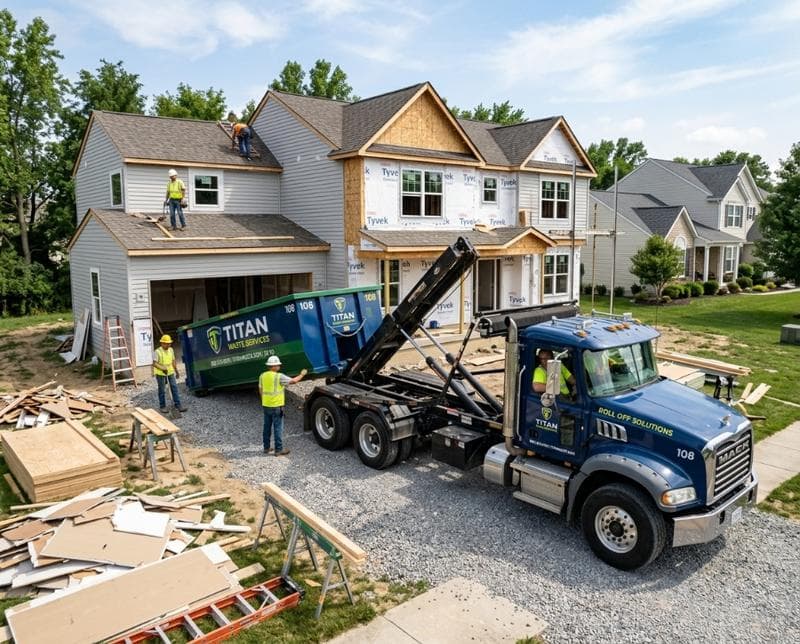
How a Dumpster Rental CRM Transforms Customer Relationships Into Recurring Revenue
Why Standard CRM Tools Miss the Mark for Waste Hauling
Most waste companies still rely on spreadsheets, generic Salesforce setups, or email chains to track customer interactions. These approaches fall apart when you're juggling dispatch schedules, container inventory, and service dates simultaneously. A customer might have ordered a dumpster six months ago, but if there's no unified system reminding you of seasonal demand patterns or contract renewal dates, you'll miss the upsell opportunity—and potentially lose the account to a competitor who stays top of mind.
The real problem isn't lack of data; it's context. A standard CRM sees a customer as a name and phone number. A waste-focused CRM understands that this customer ordered a 30-yard bin on March 15th for a renovation project, paid on time, and typically generates $400-500 in revenue per service. That context lets you proactively reach out before their next project, suggest seasonal services, or offer loyalty pricing that actually feels personal rather than generic.
Building Customer Profiles That Drive Retention
When you implement a CRM built for dumpster rental operations, you're creating a living profile of each customer that captures more than transaction history. You're tracking service frequency, preferred bin sizes, seasonal patterns, payment reliability, and communication preferences. A contractor who orders bins every spring and fall becomes a predictable revenue stream you can forecast and protect. A one-time residential customer might be flagged as a high-churn risk, signaling your team to invest in a relationship-building touchpoint within 90 days of their first service.
These profiles also surface opportunities you'd otherwise miss. A customer's account history reveals that they've used a 20-yard bin three times but never tried your junk removal add-on service. Another customer has grown from ordering one container quarterly to needing multiple containers per order—a clear sign they're ready for a volume discount or a dedicated account manager. Without systematic tracking, this intelligence stays locked in individual driver notes or sales rep memory, leaving revenue on the table.
Automating Customer Touchpoints Without Losing the Human Element
A modern waste management CRM orchestrates customer communication across SMS, email, and voice at scale, but with personalization that feels intentional. Imagine automatically sending a renewal reminder 30 days before a customer's typical order season, including their last bin size, preferred pickup date, and a special loyalty offer. That message costs you nothing to automate, but it reminds the customer you understand their needs and values their business. Customers who receive proactive outreach are significantly more likely to re-book than those who only hear from you when they initiate contact.
The automation layer also frees your dispatch and operations teams from manual follow-up work, so they can focus on service quality and problem-solving. When a payment fails, the CRM can trigger an alert to your accounts team instead of letting it sit unresolved for days. When a customer rates a service negatively or requests a callback, that signal reaches your manager immediately. This responsiveness builds trust and turns potential churn moments into relationship-strengthening opportunities.
Using Data to Predict and Prevent Customer Churn
Churn prediction is one of the most underutilized capabilities in waste hauling. Your CRM should flag accounts showing early warning signs—declining order frequency, longer gaps between services, payment delays, or negative service feedback. A contractor who ordered twice monthly for a year but hasn't called in three months represents lost revenue and an at-risk account. Rather than waiting for them to defect, you can reach out with a check-in call, ask what's changed, or offer a special rate to win them back. Some of those accounts were never truly lost; they simply found a competitor because you weren't paying attention.
The math is straightforward: retaining an existing customer costs 5-7 times less than acquiring a new one. A CRM that helps you retain just 10-15% more customers annually can add tens of thousands in revenue to your bottom line. This isn't about aggressive sales tactics; it's about intelligent engagement. You're using historical data to know when and how to reach each customer in a way that feels relevant to their actual business cycle, not your sales calendar.
Connecting CRM to Dispatch and Billing for Seamless Operations
The most valuable CRM implementations for waste haulers are those that integrate with dispatch, billing, and container tracking systems. When your dispatch software feeds real-time service data back into your CRM, every customer interaction is automatically recorded—no manual data entry required. A driver completes a pickup, the system logs the service time, notes any issues, and updates the customer's profile instantly. Your billing software pulls customer preferences and payment history directly from the CRM, reducing errors and speeding invoicing. This integration eliminates silos where information gets lost between teams.
An integrated approach also creates accountability and visibility across your operation. Managers can see which customer relationships are thriving and which need attention. Sales teams understand what services have actually been delivered, not just what was promised. Account managers can quickly pull up a customer's complete service history before a renewal conversation, removing the awkward moment of searching for details. This operational continuity translates directly into better customer experience and faster revenue cycles.
Pricing Strategy and Loyalty Programs Powered by CRM Insights
A CRM built for waste hauling gives you the data foundation to create smart loyalty programs and dynamic pricing strategies. You can identify your highest-value customers and offer exclusive renewal rates that keep them engaged without eroding margins across the board. Seasonal pricing becomes data-driven rather than guesswork—you know exactly which customers spike demand in spring versus summer, and you can time promotions accordingly. Tiered loyalty programs reward long-term customers with incremental discounts or service upgrades, creating switching costs that make them less likely to shop around.
The key is that these strategies are informed by real usage patterns, not hope. You're not offering blanket discounts to everyone; you're using CRM data to identify which customers are most price-sensitive, which value convenience over cost, and which are loyal enough to tolerate slight price increases if service quality remains high. This precision in customer segmentation directly improves profit margins while simultaneously improving retention rates.
Getting Started: What to Measure and Track
Implementing a CRM for dumpster rental requires clarity on what actually matters to your business. Track customer lifetime value, repeat order rate, average order size, and days between orders as your core metrics. Monitor churn rate—the percentage of customers who don't order again within their expected service window—and segment customers by risk level so you know where to invest retention effort. Measure customer acquisition cost against lifetime value to ensure your growth spending is sustainable. These metrics let you see whether your CRM investment is actually moving the needle on revenue and retention.
Start by running a free demonstration of how BinFleet integrates CRM with your dispatch and billing to see how waste companies are connecting customer data with operations. Many operators find that their most valuable insights emerge within the first 30 days of systematic tracking. The platform is designed to be intuitive for dispatchers and office staff, not just data analysts, so adoption is usually fast. If you're ready to explore what customer retention could look like with the right tools in place, check out BinFleet's unified platform for dumpster rental operations.
FAQ: Dumpster Rental CRM Questions Answered
Do I really need a dedicated CRM, or can I just use a spreadsheet and my dispatch software?
Spreadsheets and basic dispatch platforms can track orders, but they won't give you predictive insights, automated retention campaigns, or integrated customer communication. A real CRM lets you know when a customer is at risk of churning before they've already left, automatically reminds them to re-order, and ties that context directly to dispatch and billing. Most waste operators find that a purpose-built system pays for itself within months through improved retention alone.
How does CRM help with seasonal business fluctuations in waste hauling?
CRM data reveals which customers order in spring, summer, or fall, letting you forecast demand accurately and time outreach to match their project cycles. You can set automated reminders for seasonal customers 4-6 weeks before they typically order, send relevant promotions at the right time, and ensure you have container capacity available when they need it. This reduces surprises and turns seasonal volatility into a predictable, manageable revenue pattern.
What's the ROI on switching to a dedicated waste hauling CRM?
Most operators see improved retention rates of 10-20% within the first six months, which translates to significant revenue impact when you consider customer lifetime value. Beyond retention, better communication and data visibility often reveal upsell opportunities within your existing customer base—additional services, larger bin sizes, or expanded locations. The actual ROI depends on your starting point, but waste companies consistently report that the time saved on manual follow-up and the revenue protected through better retention far exceeds software costs.
How much training does my team need to use a CRM system?
Purpose-built CRM systems for waste hauling should be intuitive for dispatchers, office staff, and drivers with minimal formal training. Most platforms include onboarding resources and customer support, so your team can be productive within days. The real time investment comes in establishing which data your company wants to track and setting up automated workflows, but platform providers typically help with that initial setup.
Ready to Streamline Your Operation?
See how BinFleet AI helps waste haulers save time, cut costs, and grow.
Request a Free 30-Day TrialRelated Articles
How a Dumpster Rental CRM Transforms Customer Retention & Revenue Growth
How a Dumpster Rental CRM Transforms Customer Relationships Into Revenue Growth