How to Master Seasonal Demand Fluctuations in Your Dumpster Rental Business

Dumpster rental businesses face a rollercoaster of seasonal demand that can strain operations and crush profit margins. Spring construction booms create equipment shortages while winter lulls leave drivers underutilized and cash flow tight. The most successful waste haulers have learned to anticipate these patterns and build flexible operations that thrive in both peak and valley periods.
Understanding seasonal demand isn't just about weather patterns anymore. Economic cycles, municipal project schedules, and even social media trends now influence when customers need dumpsters. Operators who master these fluctuations gain significant competitive advantages through better pricing, optimized inventory, and strategic capacity planning.
Understanding Your Local Seasonal Patterns
Every market has unique seasonal characteristics that extend beyond simple weather patterns. Construction activity typically peaks from April through October in most regions, but local factors like school schedules, municipal budgets, and regional industries create distinct demand curves. Residential cleanouts surge during spring cleaning season and post-holiday periods, while commercial projects often align with fiscal year planning and permit approval cycles.
Smart operators track multiple data points to build accurate forecasting models. Historical order volumes, average rental durations, and customer type distributions reveal patterns that aren't immediately obvious. Weather data, local construction permits, and economic indicators add layers of prediction accuracy that transform reactive businesses into proactive operations.
Optimizing Fleet Size and Equipment Mix
The biggest operational challenge in seasonal businesses is right-sizing your fleet for wildly different demand levels. Owning enough containers for peak season means expensive assets sitting idle during slow months, while undersized fleets lose profitable orders when demand surges. Successful haulers use flexible capacity strategies that include short-term rentals, strategic partnerships, and tiered container offerings.
Container mix optimization becomes critical during seasonal transitions. Residential customers prefer smaller containers during winter organization projects, while spring construction demands larger roll-offs. Tracking utilization rates by container size and season helps operators shift inventory before demand changes, maximizing revenue per asset and reducing the need for emergency equipment purchases.
Dynamic Pricing Strategies for Peak and Valley Periods
Seasonal pricing adjustments can dramatically improve profitability when implemented strategically. Peak season premiums help manage excessive demand while generating higher margins during busy periods. Valley period discounts keep containers moving and maintain cash flow during slower months. The key is implementing these changes gradually and communicating value clearly to maintain customer relationships.
Modern pricing strategies go beyond simple peak and off-peak rates. Advance booking discounts encourage customers to reserve containers during slow periods for future delivery. Flexible rental terms allow longer commitments at reduced rates, smoothing revenue across seasonal variations. Geographic pricing helps balance demand across service areas, directing customers to underutilized routes during peak periods.
Workforce Planning for Seasonal Fluctuations
Staffing for seasonal demand requires balancing service quality with cost control. Maintaining full crews year-round creates unnecessary labor costs during slow periods, but seasonal hiring often means training inexperienced drivers during your busiest months. Successful operators build core teams of experienced staff supplemented by seasonal workers and temporary contractors.
Cross-training existing employees creates operational flexibility that smooths seasonal transitions. Drivers who can handle maintenance tasks during slow periods and office staff who understand dispatch operations provide valuable surge capacity. Building relationships with temporary staffing agencies and maintaining lists of qualified seasonal drivers ensures quick scaling when demand spikes unexpectedly.
Technology Solutions for Demand Forecasting
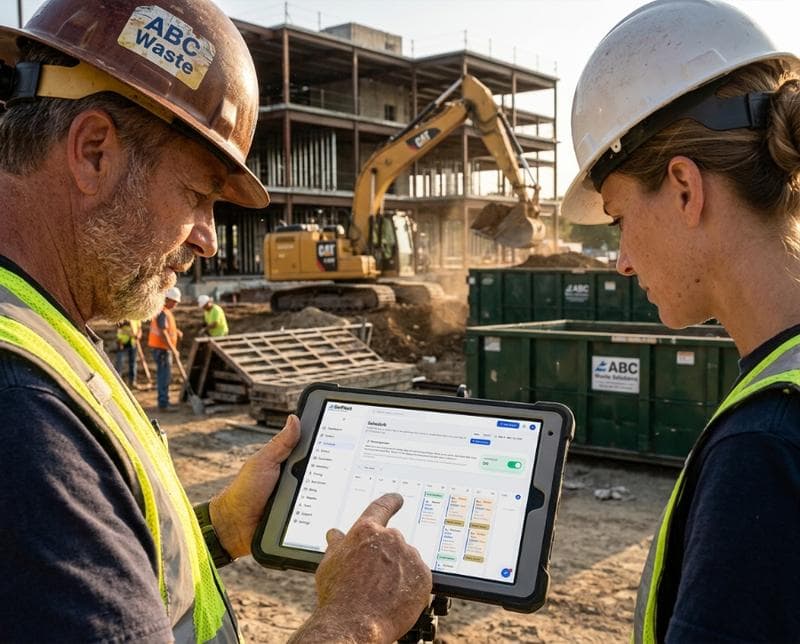
Modern dumpster rental software transforms seasonal planning from guesswork into data-driven strategy. Advanced platforms track historical patterns, monitor real-time booking trends, and integrate external data sources to predict demand fluctuations weeks in advance. This visibility enables proactive scheduling, inventory management, and resource allocation that keeps operations running smoothly through seasonal changes.
Automated scheduling and route optimization become even more valuable during seasonal peaks when manual planning breaks down. Intelligent dispatch systems balance driver workloads, minimize travel time, and ensure customer commitments are met even during demand surges. Real-time inventory tracking prevents double-booking and enables dynamic pricing based on container availability in specific markets.
Building Long-Term Customer Relationships
Seasonal businesses often struggle with customer retention as irregular usage patterns make relationship building challenging. Proactive communication about upcoming seasonal changes helps customers plan projects and budget for waste management needs. Regular check-ins during slow periods keep your company top-of-mind for future projects and generate referrals from satisfied customers.
Creating value beyond container delivery strengthens customer relationships and reduces price sensitivity. Educational content about waste sorting, permit requirements, and project planning positions your company as a knowledgeable partner rather than just equipment rental. Flexible scheduling accommodations and emergency availability during peak periods build loyalty that survives competitive pricing pressure and seasonal market fluctuations.
Frequently Asked Questions
How far in advance can I accurately predict seasonal demand?
Most operators can predict general seasonal patterns 3-6 months in advance using historical data and local construction trends. Short-term fluctuations caused by weather or economic changes are typically visible 2-4 weeks ahead with modern forecasting tools.
Should I offer discounts during slow seasons or maintain consistent pricing?
Strategic discounts during valley periods help maintain cash flow and keep containers utilized, but they should be framed as limited-time promotions rather than permanent price reductions. The key is preserving your premium pricing power for peak seasons while staying competitive during slower months.
How do I manage driver schedules when demand varies drastically by season?
Build a core team of full-time experienced drivers supplemented by part-time and seasonal workers. Cross-train office staff to handle dispatch duties and maintain relationships with reliable temporary staffing agencies. Consider offering flexible schedules that allow core drivers to take vacation time during slow periods.
What's the most important metric to track for seasonal planning?
Container utilization rates by size and location provide the clearest picture of seasonal demand patterns. Track these metrics alongside average rental duration and customer type to build accurate forecasting models that drive inventory and staffing decisions.
Ready to see how modern dumpster rental software can help you master seasonal demand fluctuations? Schedule a demo to explore forecasting tools and automated scheduling features that transform seasonal challenges into competitive advantages.
Ready to Streamline Your Operation?
See how BinFleet AI helps waste haulers save time, cut costs, and grow.
Request a Free 30-Day TrialRelated Articles

How to Manage Seasonal Fluctuations in Dumpster Rental Demand
How to Manage Seasonal Demand Fluctuations in Your Dumpster Rental Business