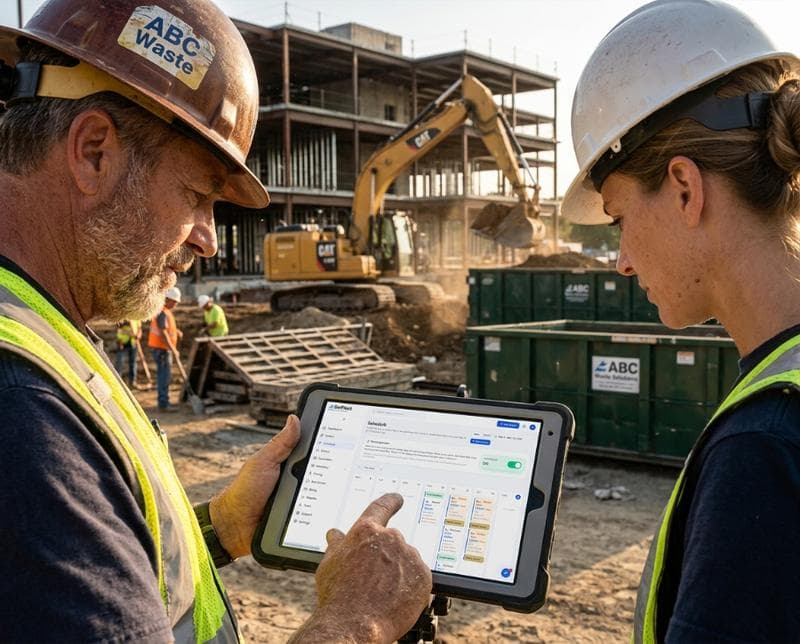
Roll Off Dumpster Inventory Tracking: Keep Every Container Accounted For
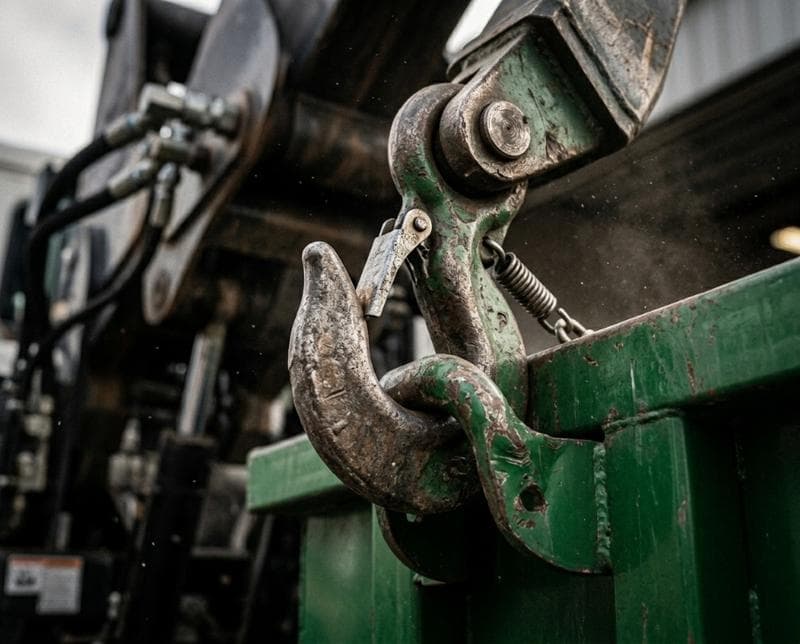
Why Inventory Tracking Matters for Roll Off Operators
Lost or misplaced containers represent pure financial bleeding for dumpster rental companies. When a 40-yard roll off sits at a customer site and no one knows when it was dropped, billing delays stack up, driver time gets wasted on hunts, and worst of all, utilization rates plummet. Without visibility into where your containers actually are, you're essentially managing a fleet by guesswork—dispatching drivers to locations without confirmation, losing revenue on containers that should be generating cycles, and burning fuel on unnecessary trips to track down wayward bins.
The operational reality is that every day a container sits idle between jobs costs you money. When you lack real-time tracking, you can't answer basic questions: Which containers are on active jobs? Which are at the yard ready to deploy? How long has this one been at that construction site? Modern waste management requires answers to these questions in seconds, not hours. That's where purpose-built inventory tracking changes the game, transforming containers from anonymous assets into managed resources that drive consistent revenue.
Container Location Tracking: Beyond GPS Alone
GPS tracking is a starting point, but it's not enough by itself. A GPS coordinate tells you where a container is physically sitting, but it doesn't tell you whether it's actively rented, waiting for pickup, or forgotten at a job site. Effective inventory tracking combines location data with status information—capturing whether the container is deployed, available, in transit, or awaiting maintenance. When a driver scans a bin at pickup or drop-off, that status update flows into your system instantly, creating a real-time picture of fleet movement and availability.
The best systems also capture contextual data tied to location. You need to know not just the GPS coordinates, but which customer account that container is assigned to, when it was dropped off, what the pickup window is, and whether any additional services (like extra pickups or weight overages) have been logged. This layered approach means dispatchers can see the entire lifecycle of each container at a glance, make smarter routing decisions, and catch issues before they become customer problems or revenue leaks.
Measuring Utilization Rates with Accuracy
Utilization rate—the percentage of your fleet actually generating revenue on any given day—is one of the most telling metrics in waste hauling. If you have 50 containers but only 35 are on active rental jobs, your utilization is 70 percent. That gap represents idle assets, and you need to understand why. Are containers stuck in maintenance cycles? Sitting in inventory limbo waiting for dispatch? Lost track of at remote job sites? Without automated tracking, calculating true utilization becomes a manual audit nightmare, and you lose the agility to respond when rates drop.
Real-time tracking systems eliminate guesswork by automatically logging when a container enters a job and when it completes pickup. You can see utilization trends by container type, by region, by season—any slice of data that helps you optimize. If you notice that your 20-yard containers consistently underperform, you might adjust pricing, retire underperforming units, or reallocate them to higher-demand markets. These decisions are only possible with reliable, granular data about which containers earn money and which ones drain it.
Preventing Loss, Theft, and Operational Waste
Container loss is a silent killer in this industry. A bin disappears from a job site, no one notices for days, and by then it's either genuinely lost or sitting in a secondary location uncaptured in your system. Tracking systems with geofencing and anomaly detection flag when a container moves outside expected delivery zones or spends unusual amounts of time at a location. These alerts give you the chance to follow up with the customer, verify the container status, and correct problems before they cascade into lost revenue or write-offs.
Theft is also a real concern, especially for new or high-quality containers. Automated alerts notify you when a tracked container enters an unexpected area or stays stationary in an unusual location for extended periods. Combined with driver accountability—where every pickup and drop-off is logged with timestamp and location—you create a verifiable audit trail that deters theft and gives you documentation if disputes arise. This level of control turns containers from anonymous metal boxes into managed assets with clear ownership and location records.
Integrating Inventory Tracking Into Dispatch and Billing
The real power of inventory tracking emerges when it connects to your dispatch and billing systems. When a driver completes a pickup using a mobile app, that action automatically updates which containers are available for the next job, calculates billing based on actual drop-off and pickup times, and flags any services that need invoicing. This eliminates manual data entry, reduces billing errors, and ensures customers are charged correctly for the services they received. Dispatchers can see real-time availability and assign containers with confidence, knowing the data reflects ground truth.
A platform like BinFleet ties inventory visibility into the entire operational workflow—from customer order placement through final invoice delivery. Drivers log container movements, the system updates inventory status, dispatchers see available units instantly, and billing calculates charges based on actual time-stamped events. This integration cuts administrative overhead, accelerates cash flow, and reduces disputes with customers who question charges.
Building a Sustainable Tracking Process
Implementation is simpler than many operators assume. Start by defining what you need to track: container ID, location, status (deployed, available, maintenance), customer account, and time-stamped events (drop-off, pickup, delivery completion). Assign these responsibilities to your drivers via mobile app—they're already on-site and in the best position to log accurate data. Make the app friction-free so drivers can scan or manually confirm in under 30 seconds, and tie completion of these logs to route completion or payment processing.
The discipline of consistent logging creates exponential benefits over time. After 60 days, you'll have concrete data showing container utilization, cycle times, regional performance, and problem spots. After six months, that data becomes your roadmap for fleet optimization, pricing adjustments, and strategic deployment decisions. Many operators who implement tracking systems report 5–15 percent improvement in utilization within the first quarter simply because they finally know where everything is and can act on that knowledge.
FAQ: Common Questions About Roll Off Inventory Tracking
What's the difference between GPS tracking and proper inventory tracking?
GPS tells you physical location; inventory tracking adds container status, customer assignment, time-stamped events, and billing data. A container's GPS coordinates are useless if you don't know whether it's actively rented, available for the next job, or awaiting maintenance. Good tracking systems combine location with operational context so you can make real decisions.
How much does inventory tracking typically cost to implement?
Cloud-based platforms designed for waste haulers typically charge per container per month, often $5–15 per unit depending on features and your fleet size. The investment pays back quickly through reduced losses, improved billing accuracy, and higher utilization. Many operators recoup costs within 60–90 days.
Will my drivers resist logging data with a mobile app?
When the app is designed for speed and tied to their workflow—not an extra chore—adoption is high. Make scanning or confirmation a final step before marking a job complete, tie it to dispatch completion, and you'll see compliance rates above 95 percent. Drivers often appreciate the clarity around which containers are actually available for their next assignment.
Can I see my utilization trends over time?
Yes. Modern systems generate dashboards showing utilization by day, week, month, container type, and location. These reports reveal seasonal patterns, underperforming units, and opportunities to optimize pricing or deployment. This data becomes the foundation for smarter fleet management decisions.
Get Started With Real Visibility
Roll off inventory tracking transforms how you manage your fleet. Instead of wondering where containers are and why utilization is soft, you gain real-time visibility that drives actionable decisions. If you're ready to see your inventory clearly and plug the revenue leaks that come from lost or idle containers, the fastest way forward is a platform built for waste haulers. Schedule a demo with BinFleet to see how real-time inventory tracking works in practice, or explore more operational insights on the blog. Many operators find that clear inventory visibility alone pays for the platform within months.
Ready to Streamline Your Operation?
See how BinFleet AI helps waste haulers save time, cut costs, and grow.
Request a Free 30-Day TrialRelated Articles
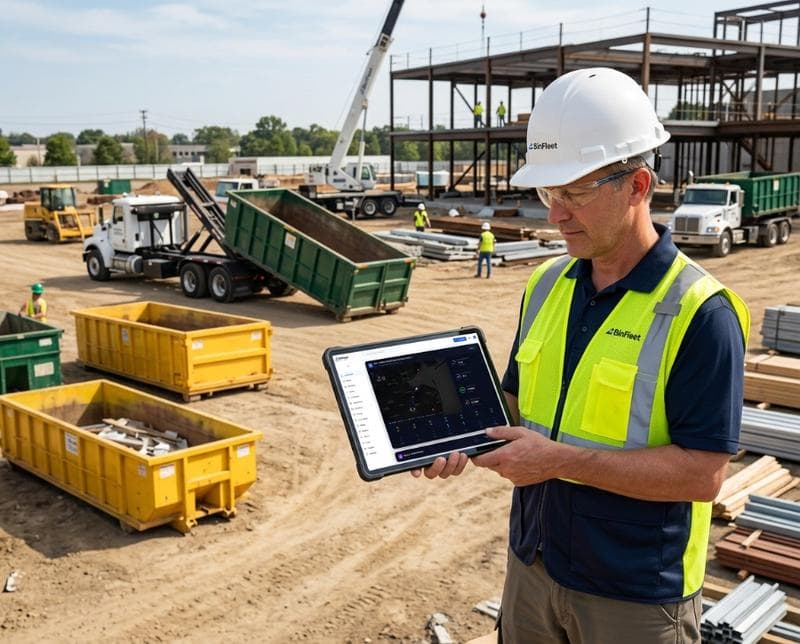
Roll Off Dumpster Inventory Tracking: Optimize Locations, Status & Utilization
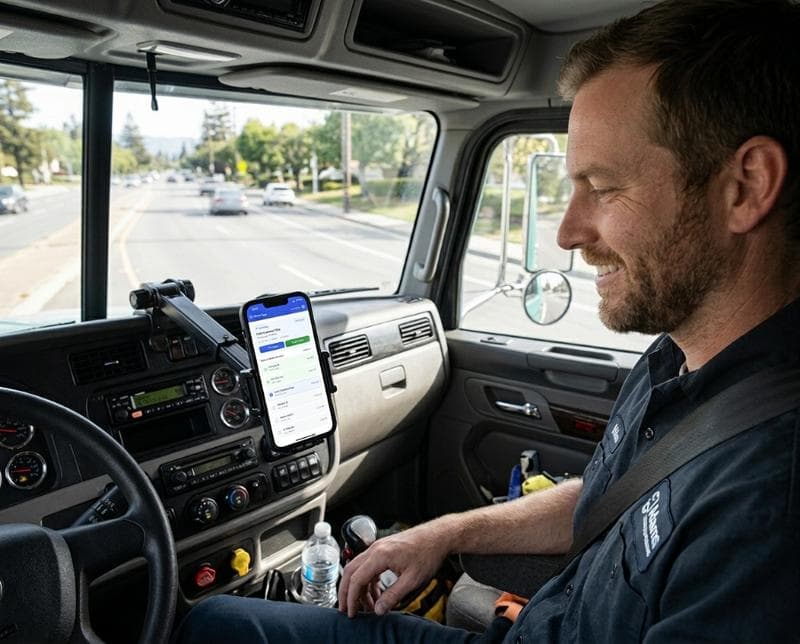
How to Manage Seasonal Demand Fluctuations in Dumpster Rental