How to Scale a Dumpster Rental Business: A Step-by-Step Growth Plan
Know Your Current Unit Economics Before You Expand
Before you add a second truck, you need to understand exactly what one truck generates in profit per month. Pull your last 12 months of revenue, calculate fuel costs, maintenance, container depreciation, and labor. Many operators skip this step and scale into losses. You should know your per-haul margin, average container turnover, and which job types are actually profitable after true cost accounting.
Most dumpster rental businesses operate on thinner margins than operators realize. A truck pulling in $15,000 monthly might net only $2,000 to $3,000 in profit once you factor in fuel surges, seasonal downtime, and repair cycles. Until you have clarity on that unit, scaling means multiplying broken math. Document your baseline metrics now so you can measure growth accurately and spot when operational efficiency is slipping.
Invest in Dispatch Software Before Hiring Your Second Driver
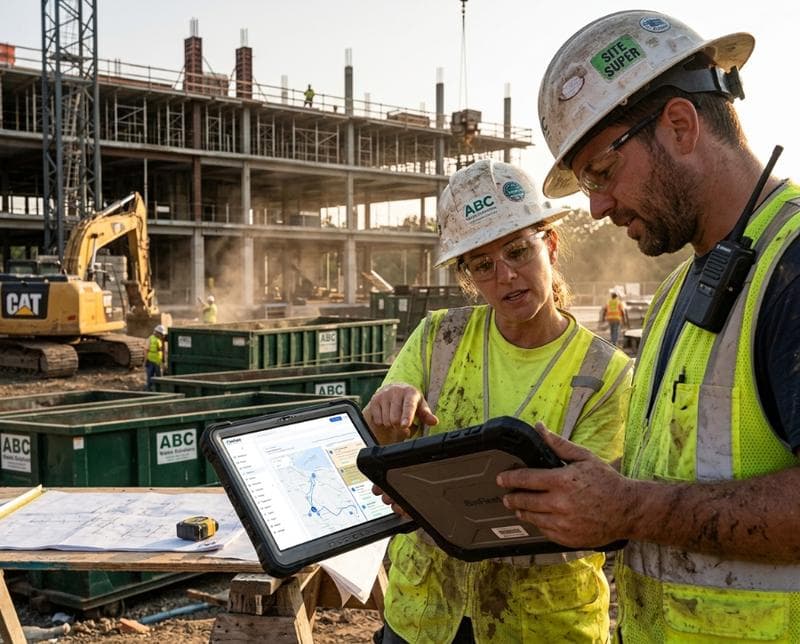
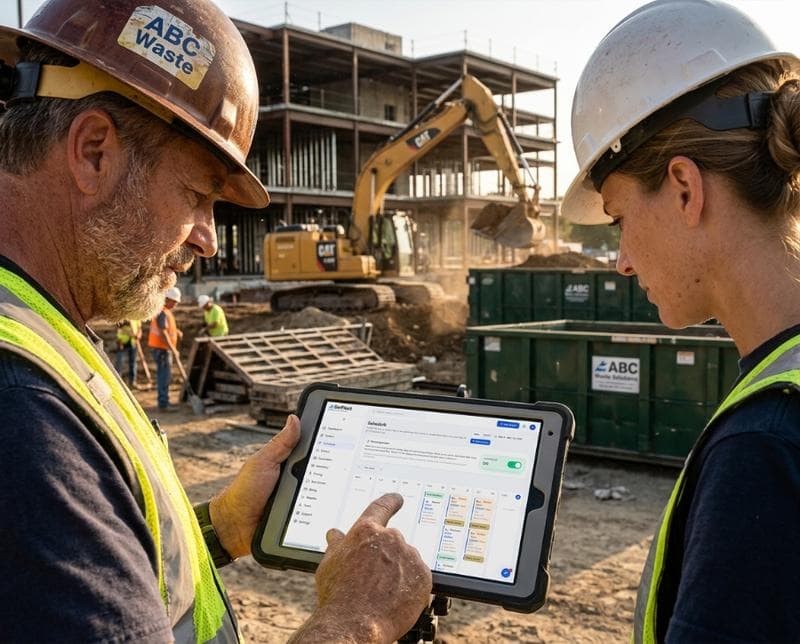
The operational complexity that breaks most scaling haulers isn't the trucks—it's the communication breakdown. When you run solo, you call customers and manage routes from memory. With two trucks, you lose visibility instantly. A dispatcher trying to juggle calls, text updates, and GPS guesses will create missed pickups, angry customers, and wasted fuel routes. This is why BinFleet and similar dispatch platforms become critical before you hire driver number two.
Route optimization software cuts fuel costs by 15–25% through smarter sequencing, and SMS notifications reduce no-shows by 40%. You'll also catch scheduling conflicts that cost you repeat business. The software becomes your second brain when you're managing multiple crews. It pays for itself in fuel savings alone, but the real gain is the operational stability that lets you confidently onboard new trucks without chaos.
Build Your Inventory System and Container Strategy
Container inventory management is where many scaling operations stumble. You can't grow past two trucks without knowing where every bin lives—deployed on job sites, in repair, or available for dispatch. If you're still tracking containers on a spreadsheet or in your head, scaling will create blind spots. You'll have customers waiting for pickups because you've lost track of containers, or you'll double-book equipment and ruin relationships.
Establish a clear inventory model before you expand: How many containers do you need per truck? What's your reserve for maintenance and seasonal demand? A typical operation needs 3–4 containers per active truck to handle turnover and repairs. Use a system that tracks locations in real-time and flags when containers need service. This prevents the cash drag of over-purchasing and the missed-revenue trap of under-stocking.
Hire and Train Your First Dispatcher (Not Your Second Driver)
The hiring order matters. Most operators hire a second driver first, then scramble to manage them. The smarter sequence is to hire a dispatcher who can optimize routes for existing assets and prepare operations to scale. A good dispatcher can squeeze 15–20% more efficiency from your current truck before you add capacity. They handle customer communication, manage the schedule, coordinate pickups and deliveries, and build the operational framework that multiple trucks run on.
Your dispatcher becomes the linchpin of your operation. They need to be detail-oriented, communicate clearly with drivers and customers, and be comfortable with software systems. Invest in training them thoroughly on your dispatch platform and billing process. Once they're running smoothly with one or two trucks, adding a third becomes a scaling exercise, not a crisis. This hire pays dividends faster than another driver.
Plan Your Service Area Expansion and Territory Coverage
Scaling geographically is different from scaling by volume. Before you add trucks, map your current service area and identify where empty pickups, failed service attempts, or long travel times are eating profit. If your service radius is sprawling, your second truck should tighten coverage in high-density zones, not expand further. Dumping fees, fuel costs, and response times all compound with distance. A focused, tight territory for each truck outperforms a scattered operation.
Look at demand patterns in your area. Are there commercial zones, renovation hotspots, or construction clusters you're underserving? A second truck should target proven demand, not speculation. If you serve three zip codes with one truck, your second truck should own a neighboring zone with similar density, not jump to a new market that requires infrastructure investment. Start by conquering your backyard before expanding the map.
Lock In Financing and Cash Flow Stability
A dumpster rental truck is a $40,000 to $80,000 asset depending on specs and condition. Adding one requires financing, and most banks want to see 2–3 years of consistent profitability before they'll loan on vehicle purchases. If you're relying on the revenue from the new truck to pay the loan, you're building on sand. Calculate the monthly debt service, add it to your operating costs, and make sure existing revenue covers it comfortably with room for seasonal slowdowns.
Cash flow timing is critical. You need the truck financed before you pay for repairs and fuel. Many operators add a truck, hit a rough month, and can't meet payments because they're counting on future revenue. Build a 60-day operating reserve before you scale. This buffer absorbs seasonal dips, unexpected repairs, and the ramp-up time for a new driver to become productive. Conservative financing now prevents forced asset sales later.
Automate Invoicing and Payment Collection
Manual invoicing doesn't scale. As you add trucks and volume, paper invoices and checks slow cash flow and create accounting errors. Moving to automated invoicing and online payments reduces days-to-cash by 50% and nearly eliminates follow-up time. Your dispatchers spend less time chasing payment, and customers appreciate the convenience of mobile payments. This is foundational infrastructure for a multi-truck operation.
Look for dispatch and invoicing platforms that integrate together. When your system auto-generates invoices from completed jobs and sends payment links to customers via SMS or email, your cash flow tightens immediately. You'll catch billing issues faster and collect money quicker, which funds growth without external debt.
FAQ
How much monthly revenue do I need before adding a second truck?
A single truck should generate consistent $10,000 to $15,000 monthly revenue with stable 20–30% net margins for at least six months before scaling. This proves your model works and gives you cash reserves for the new truck's ramp-up period. If you're below that or your margins are thin, focus on maximizing the truck you have before adding capacity.
What's the typical payback period for a second truck?
With proper route optimization and a trained dispatcher, a second truck should cover its monthly financing and operational costs within 8–12 months of deployment. The exact timeline depends on your service area density and pricing strategy. Use a free demo of BinFleet to see how routing efficiency impacts payback math in your territory.
Should I buy used or new trucks?
Used trucks ($35,000–$60,000) carry higher repair risk but lower financing costs. New trucks ($70,000–$90,000) are reliable but require larger capital. Most scaling operators start with used commercial-grade vehicles from reputable dealers, then move to new once cash flow supports it. Budget 10–15% of truck cost annually for maintenance reserves.
How do I prevent my operations from falling apart when I add a second truck?
The answer is automation and process documentation before growth. Implement a dispatch system with proven tracking and route optimization, document every procedure, and hire your dispatcher before your driver. Many operators fail at scaling because they add headcount without infrastructure. Systems first, staff second.
Ready to Streamline Your Operation?
See how BinFleet AI helps waste haulers save time, cut costs, and grow.
Request a Free 30-Day Trial