How to Scale Your Dumpster Rental Business from One Truck to Multi-Fleet Operations
Every successful dumpster rental empire started with a single truck and an ambitious owner willing to work long hours. The difference between those who scale successfully and those who remain stuck in single-truck operations lies in their ability to systematize, delegate, and optimize their processes before attempting rapid growth. Understanding this distinction becomes crucial as the waste management industry continues to consolidate and technology-driven competitors enter the market.
Scaling too quickly without proper systems leads to operational chaos, customer service failures, and financial strain that can sink an otherwise profitable business. The key is building a foundation that can handle increased volume while maintaining the personal service quality that likely made your single-truck operation successful in the first place.
Building Systems That Scale Before You Need Them
The biggest mistake growing dumpster rental companies make is waiting until they're overwhelmed to implement proper systems. When you're running a single-truck operation, tracking everything in spreadsheets or even your head might work, but this approach becomes impossible once you add a second driver and dozens of additional customers. Smart operators begin systemizing their order management, dispatching, and customer communication processes while they still have time to test and refine these systems without the pressure of managing multiple crews.
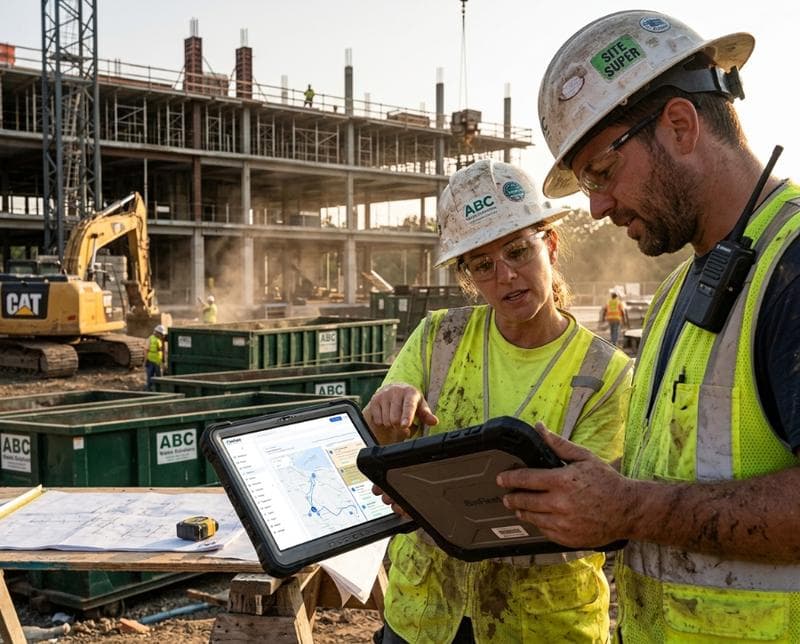
Modern dumpster rental management software eliminates the chaos that typically accompanies growth by automating routine tasks and providing real-time visibility into your entire operation. Instead of spending hours each morning figuring out which driver should pick up what containers, a properly configured system can optimize routes automatically while sending customers SMS updates about delivery times. This level of automation doesn't just save time—it prevents the customer service issues that often plague growing companies and allows you to maintain consistent service quality regardless of your fleet size.
Smart Financing Strategies for Fleet Expansion
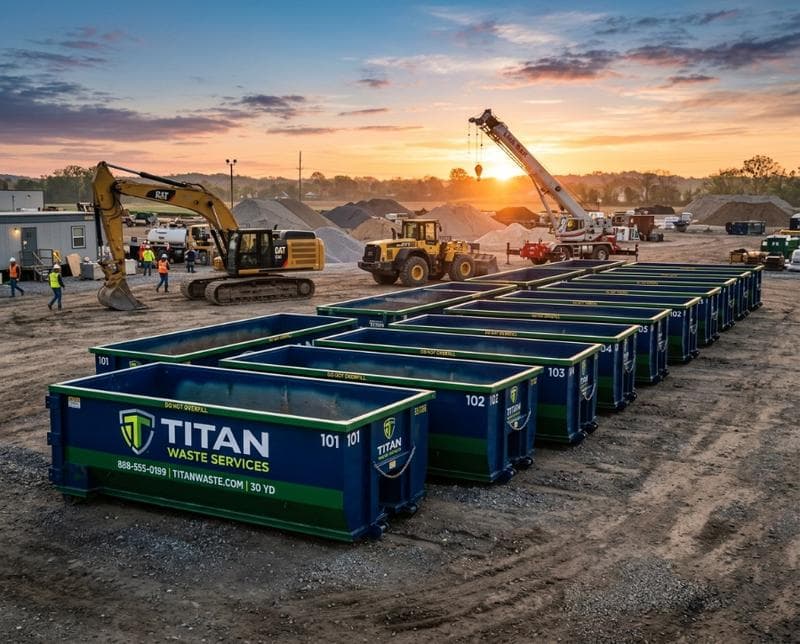
Expanding your fleet requires significant capital investment, but the traditional approach of purchasing trucks and containers outright can tie up cash flow needed for other aspects of growth. Successful operators often use a combination of financing strategies, including equipment leasing for trucks and gradual container inventory expansion based on actual demand patterns. Leasing allows you to preserve working capital for marketing, payroll, and unexpected opportunities while still growing your capacity to serve customers.
The key to sustainable fleet expansion lies in understanding your market's true demand patterns rather than optimistic projections. Analyze your booking data to identify peak demand periods, average rental durations, and seasonal fluctuations before committing to additional equipment. Many operators find that strategic partnerships with other local haulers can help manage overflow demand during busy periods, allowing them to test market capacity before making permanent fleet investments.
Hiring and Training Your First Drivers
Finding reliable drivers who understand both the technical aspects of container delivery and the customer service expectations of your business represents one of the biggest challenges in scaling operations. The best driver candidates often come from referrals within the industry or from drivers who are tired of working for larger companies where they feel like just another number. When interviewing potential drivers, focus on their problem-solving abilities and communication skills rather than just their driving record, since these soft skills become crucial when dealing with difficult delivery situations or frustrated customers.
Training new drivers effectively requires documented procedures for common scenarios, from navigating tight residential driveways to handling customer complaints about placement issues. Create simple checklists for delivery confirmations, pickup procedures, and customer interaction protocols that new drivers can reference until these processes become second nature. The investment in proper training pays dividends in reduced customer complaints, fewer damaged containers, and improved driver retention rates that save recruitment costs over time.
Managing Multi-Location Operations
As your business grows beyond what a single location can efficiently serve, the decision to open additional yards or service centers requires careful analysis of market coverage, transportation costs, and operational complexity. Many successful operators expand their service area gradually, using data from their existing operations to identify geographic zones where travel time and fuel costs eat into profitability. Opening a second location too early can strain management resources and dilute profitability, while waiting too long allows competitors to establish themselves in lucrative markets.
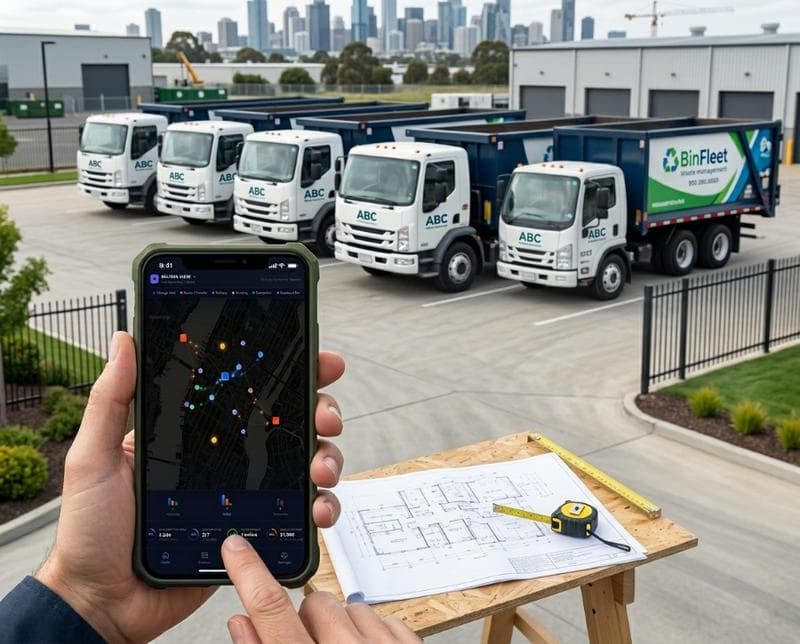
Multi-location operations demand enhanced communication systems and standardized procedures across all sites to maintain service quality and operational efficiency. Each location needs clear protocols for inventory management, customer service standards, and coordination with other sites during busy periods or equipment shortages. Advanced dispatch management systems become essential tools for coordinating activities across multiple locations while providing customers with consistent service experiences regardless of which yard serves their needs.
Technology Integration for Sustainable Growth
The dumpster rental industry has historically lagged behind other service sectors in technology adoption, creating significant opportunities for operators who embrace modern software solutions early in their growth journey. Integrated management platforms that handle everything from initial customer inquiries to final invoicing eliminate the data silos and manual processes that typically create bottlenecks during rapid expansion. These systems also provide the reporting and analytics capabilities needed to make informed decisions about route optimization, pricing strategies, and capacity planning.
Successful scaling requires moving beyond reactive management to predictive planning based on real operational data. Modern software can identify trends in customer behavior, predict busy periods, and highlight operational inefficiencies before they become serious problems. Industry insights and best practices show that companies using integrated management systems typically achieve 20-30% higher productivity per truck compared to those relying on manual processes, making technology investment a crucial component of competitive scaling strategies.
Essential Steps for Your First 90 Days of Scaling
The initial phase of scaling operations requires focused execution on the fundamentals while avoiding the temptation to expand too quickly. Your first priority should be documenting and systematizing all current processes, from how you handle initial customer calls to your container maintenance procedures. This documentation becomes the foundation for training new employees and ensuring consistent service quality as you grow.
During this critical period, focus on these key milestones:
- Implement integrated management software and train all staff on new procedures
- Establish financing arrangements for equipment expansion
- Hire and fully train your first additional driver
- Create standardized customer service protocols and quality control checklists
- Develop relationships with equipment suppliers and backup service providers
- Set up reporting systems to track key performance metrics across all operations
The operators who succeed in scaling understand that growth is a process requiring patience, systematic thinking, and continuous refinement of operations rather than a destination to reach as quickly as possible.
Frequently Asked Questions
How much capital do I need to scale from one truck to three trucks?
Most operators need $150,000-$300,000 in available capital to add two trucks and sufficient container inventory, depending on whether you buy or lease equipment. This includes working capital for payroll, insurance, and marketing during the growth period. Smart financing strategies can reduce the upfront cash requirement significantly.
When is the right time to hire my first employee driver?
The optimal time to hire your first driver is when you're consistently turning away profitable work due to capacity constraints, typically when you're running your truck 6-7 days per week with minimal downtime. Having systems in place for dispatching and customer communication before hiring makes the transition much smoother.
Should I expand my service area or add more trucks to my current area first?
Focus on maximizing density in your current service area before expanding geographically. Higher customer density reduces travel time between jobs and improves profitability per truck. Expand your service area only when you have sufficient capacity to provide good service in new territories without compromising existing customers.
How do I maintain service quality while growing quickly?
Maintaining quality during growth requires documented procedures, regular training, and systems that provide visibility into all operations. Customer feedback mechanisms and quality control checklists help identify problems before they become serious issues. Technology solutions that automate routine tasks allow you to focus on service quality rather than administrative work.
Ready to Streamline Your Operation?
See how BinFleet AI helps waste haulers save time, cut costs, and grow.
Request a Free 30-Day TrialRelated Articles
How to Scale a Dumpster Rental Business from One Truck to Multi-Yard Operations
How to Scale Your Dumpster Rental Business: A Step-by-Step Growth Plan