From One Truck to Multi-Truck Fleet: Your Dumpster Rental Scaling Guide

Growing a dumpster rental business from a single truck operation to a multi-truck fleet isn't just about adding more containers and drivers. It's about building systems that can handle increased complexity while maintaining service quality and profitability. Many operators struggle with this transition because they focus solely on equipment expansion without addressing the operational foundation needed to support sustainable growth.
The waste hauling industry is experiencing unprecedented demand in 2026, driven by construction booms, renovation trends, and increased environmental consciousness. However, success in scaling requires a methodical approach that addresses technology, operations, staffing, and financial planning simultaneously. The difference between operators who successfully scale and those who plateau lies in their ability to systematize processes before adding complexity.
Building Your Operational Foundation
Before adding your second truck, your current operation must run smoothly without your constant oversight. This means establishing standardized procedures for order management, dispatch, customer communication, and invoicing. Your existing processes should be documented and repeatable, allowing new team members to execute them consistently. If you're still manually tracking orders in spreadsheets or relying on memory for customer preferences, you're not ready to scale.
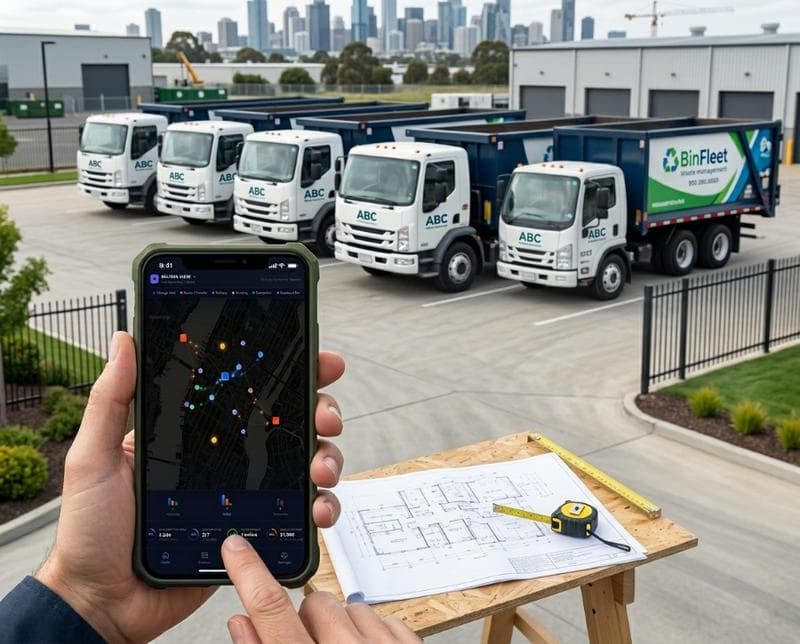
Technology becomes crucial at this stage, serving as the backbone that supports increased volume without proportional increases in administrative overhead. A comprehensive management platform eliminates the bottlenecks that plague growing operations, from double-booked containers to missed pickups. Modern dumpster rental software automates routine tasks like route optimization, customer SMS updates, and payment processing, freeing you to focus on strategic growth rather than day-to-day firefighting.
Strategic Fleet Expansion Planning
Smart fleet expansion follows demand patterns rather than gut feelings. Analyze your current utilization rates, peak demand periods, and geographic concentration to determine optimal timing and truck specifications. Your second truck should address genuine capacity constraints, not imagined growth opportunities. Consider seasonal fluctuations and local market conditions when planning expansion timing, as premature scaling can strain cash flow without delivering proportional revenue increases.
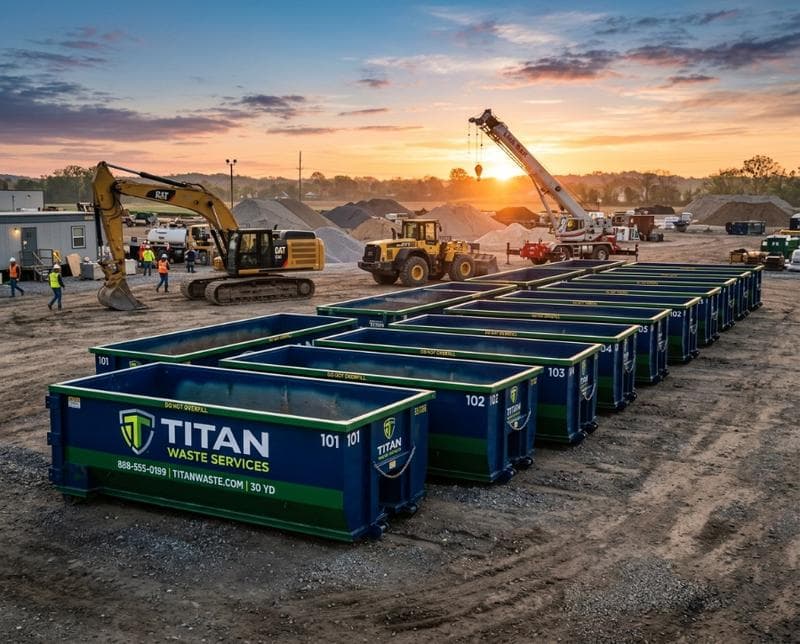
Container inventory scaling requires careful balance between availability and carrying costs. Each additional truck typically needs 15-20 containers to operate efficiently, but your specific ratio depends on average rental duration and route density. Monitor container turn rates closely, as improving efficiency with existing inventory often delivers better returns than expanding the fleet. Geographic expansion should follow natural service area boundaries, ensuring new routes complement rather than cannibalize existing operations.
Staffing and Team Development
Hiring your first employee represents a fundamental shift from owner-operator to business manager. This transition requires clear role definitions, training procedures, and performance standards. Your first hire should be someone who can handle either office operations or driving duties competently, allowing you to focus on areas where your expertise adds the most value. Avoid the temptation to hire family members or friends unless they genuinely possess the required skills and work ethic.
Driver management becomes increasingly complex as your fleet grows beyond two trucks. Successful operators develop driver scorecards that track key performance indicators like on-time delivery rates, customer satisfaction scores, and safety metrics. Regular training sessions keep drivers updated on safety procedures, customer service standards, and equipment maintenance requirements. Creating advancement pathways within your organization helps retain good drivers, as turnover costs can quickly erode the profitability gains from scaling.
Financial Management and Cash Flow
Scaling requires significant capital investment, making cash flow management critical to sustainable growth. Equipment financing, insurance increases, and working capital requirements can strain finances if not properly planned. Establish relationships with multiple lenders before you need financing, as emergency funding typically comes with unfavorable terms. Consider leasing options for newer trucks, which can provide tax advantages and reduce maintenance concerns during rapid expansion phases.
Pricing strategy must evolve as your operation grows, reflecting increased capabilities and service reliability. Multi-truck operations can offer guarantees and service levels that single-truck competitors cannot match, justifying premium pricing. However, avoid the trap of competing solely on price, as this approach rarely supports sustainable scaling. Instead, focus on value-added services like same-day delivery, extended rental periods, or specialized container types that differentiate your operation from both small competitors and large national chains.
Technology Integration and Process Optimization
Manual processes that work with ten weekly orders become overwhelming with fifty orders. Successful scaling requires technology that grows with your business, handling increased volume without requiring proportional increases in administrative staff. Features like automated route optimization become essential as your operation expands beyond a single driver's geographic knowledge. Customer communication automation ensures consistent service quality as personal attention becomes less feasible.
Data analytics provide insights that guide scaling decisions, revealing patterns invisible in day-to-day operations. Understanding peak demand periods, profitable customer segments, and route efficiency metrics enables strategic rather than reactive growth. Industry best practices show that operators who leverage data-driven decision making achieve more sustainable scaling than those relying on intuition alone. Integration capabilities become crucial as your business grows, allowing different software systems to communicate effectively without manual data entry.
Measuring and Sustaining Growth
Establishing key performance indicators early in your scaling journey provides benchmarks for measuring progress and identifying problems before they become critical. Track metrics like revenue per truck, container utilization rates, customer retention percentages, and profit margins by service type. These indicators help distinguish between healthy growth and unsustainable expansion that sacrifices profitability for volume. Regular review of these metrics enables course corrections that keep scaling efforts on track.
Sustainable scaling requires systems that maintain service quality as volume increases. Customer satisfaction scores should remain consistent or improve as your operation grows, indicating that your systems support rather than hinder service delivery. Focus on building processes that become more efficient with scale, such as route density improvements that reduce fuel costs per delivery. Remember that successful scaling creates competitive advantages through operational excellence, not just increased capacity.
Frequently Asked Questions
How much capital do I need to add a second truck?
Plan for $80,000-$120,000 in total investment, including truck purchase or lease, container inventory, insurance increases, and working capital. This amount varies significantly based on truck type, local market conditions, and financing options. Don't forget to budget for unexpected expenses and cash flow gaps during the transition period.
When should I hire my first employee?
Consider hiring when you're consistently running at 80% capacity and turning down work due to time constraints. Your first employee should handle tasks that free you to focus on business development and strategic planning. Ensure you have proper insurance, payroll systems, and training procedures in place before hiring.
How do I know if my market can support multiple trucks?
Analyze your current customer base, wait times, and local competition density. If you're regularly scheduling deliveries more than 48 hours out or losing customers due to availability, market demand likely supports expansion. Research local construction permits, population growth, and competitor capacity to validate expansion timing.
What's the biggest mistake operators make when scaling?
The most common error is expanding capacity without upgrading systems and processes first. This leads to service quality degradation, increased costs, and customer dissatisfaction that undermines growth efforts. Invest in operational foundations before adding complexity through fleet expansion.
Ready to Streamline Your Operation?
See how BinFleet AI helps waste haulers save time, cut costs, and grow.
Request a Free 30-Day TrialRelated Articles
How to Scale a Dumpster Rental Business from One Truck to Multi-Yard Operations
How to Scale Your Dumpster Rental Business: A Step-by-Step Growth Plan