How to Scale Your Dumpster Rental Business from One Truck to Multiple Trucks
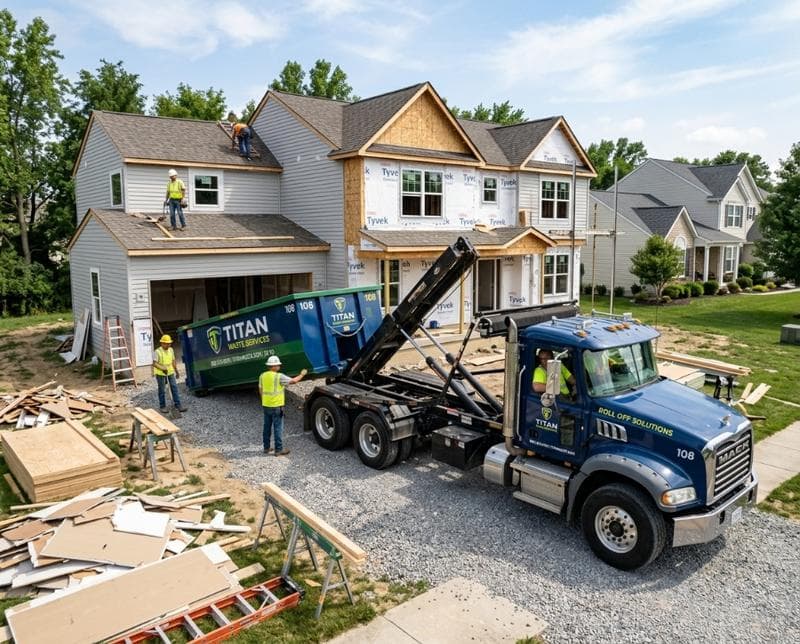
Every successful dumpster rental business starts with one truck and a dream of growth. But scaling from a single-truck operation to a multi-truck fleet involves much more than simply purchasing additional equipment. The haulers who thrive understand that sustainable growth requires building robust operational systems, optimizing route efficiency, and maintaining service quality while managing increased complexity.
The difference between businesses that scale successfully and those that struggle lies in their approach to systematizing operations before expansion. Too many operators rush to add trucks without establishing the foundational processes that support growth, leading to decreased profitability and operational chaos. Smart scaling means building systems that can handle increased volume while maintaining the service standards that built your initial customer base.
Building Operational Systems That Support Growth
Before adding your second truck, your business needs systems that can handle multiple drivers, diverse routes, and increased customer communication demands. Manual processes that work with one truck become bottlenecks with multiple vehicles on the road. Dispatching becomes exponentially more complex when you're coordinating several drivers across different service areas while tracking container inventory and managing customer expectations in real time.
Technology becomes essential at this stage, but the right software does more than just track trucks. Modern fleet management platforms integrate dispatching, inventory tracking, route optimization, and customer communication into unified systems that scale with your operation. Companies that invest in comprehensive operational software early in their growth journey report smoother expansion and better profit margins compared to those who delay system implementation until they're already overwhelmed.
Managing Fleet Expansion and Equipment Investment
The timing and financing of truck acquisitions can make or break your scaling efforts. Many operators make the mistake of expanding too quickly, taking on debt payments for vehicles that aren't generating sufficient revenue to cover their costs. Successful fleet expansion requires analyzing your current utilization rates, identifying service gaps in your market, and ensuring you have consistent demand before committing to additional equipment purchases.
Smart operators also consider the total cost of ownership beyond the initial truck purchase. Each additional vehicle brings maintenance costs, insurance increases, fuel expenses, and driver wages that must be factored into profitability calculations. The most successful scaling strategies involve gradual expansion where each new truck is fully utilized before adding the next one, ensuring that revenue growth outpaces the increased operational costs that come with fleet expansion.
Optimizing Routes and Territory Management
Single-truck operations typically serve customers based on proximity or convenience, but multi-truck fleets require strategic territory management to maximize efficiency. Route optimization becomes crucial when multiple drivers are serving the same geographic areas, and poor planning can result in trucks passing each other on the road or making inefficient trips that eat into profit margins. Territory division must balance workload distribution with geographic efficiency while considering factors like traffic patterns and dump site locations.
Advanced route planning also involves understanding peak demand periods and seasonal fluctuations in different service areas. Some territories may have higher demand for roll-offs during construction seasons, while others maintain steady commercial waste streams year-round. Successful fleet operators analyze these patterns and adjust their service territories accordingly, ensuring optimal truck utilization while maintaining quick response times that keep customers satisfied.
Hiring and Training Quality Drivers
Your business growth depends entirely on the quality of your drivers, and scaling operations puts additional pressure on finding reliable team members. The driver shortage affecting the waste industry means competition for qualified candidates is fierce, making employee retention as important as recruitment. Beyond CDL requirements, successful haulers look for drivers who understand customer service, can handle equipment properly, and represent the company professionally at job sites.
Training programs become essential when managing multiple drivers who may have different experience levels and working styles. Standardized training ensures consistent service delivery across your fleet while reducing equipment damage and safety incidents. The most successful scaling operations invest in comprehensive onboarding programs that cover not just driving and equipment operation, but also customer interaction protocols and company procedures that maintain service quality as the team grows.
Financial Planning and Cash Flow Management
Scaling requires careful financial management because growth often strains cash flow before it improves profitability. Equipment purchases, insurance increases, payroll expansion, and working capital needs all demand significant upfront investment. Many growing businesses struggle because they focus solely on revenue growth without properly managing the cash flow implications of their expansion strategy.
Successful operators create detailed financial projections that account for the lag between investment and return. They understand that new trucks may take several months to reach optimal utilization rates and plan their cash flow accordingly. The best scaling strategies include contingency funds for unexpected expenses and conservative growth timelines that allow for proper market development in new service areas before committing to additional expansion.
Technology Integration for Seamless Operations
Modern waste management software becomes indispensable when coordinating multiple trucks, drivers, and service territories. Manual dispatching methods that work with one truck create chaos with multiple vehicles, leading to miscommunications, missed pickups, and dissatisfied customers. Integrated platforms that combine dispatching, inventory management, customer communication, and billing streamline operations while providing the visibility needed to manage a growing fleet effectively.
The right technology platform grows with your business, accommodating new trucks and territories without requiring system overhauls. Features like automated customer updates, route optimization, and real-time inventory tracking become essential for maintaining service quality while managing increased operational complexity. Companies that implement comprehensive management systems during their early growth phases report smoother scaling experiences and better customer retention rates compared to those who delay technology adoption until they're already struggling with manual processes.
Frequently Asked Questions
How many customers do I need before adding a second truck?
The number varies by market, but most successful operators wait until their first truck maintains 80-85% utilization consistently for at least six months. This typically translates to 40-60 regular customers depending on service frequency and container types. Having a waiting list of potential customers also indicates readiness for expansion.
Should I lease or buy additional trucks when scaling?
Leasing often makes sense for second and third trucks because it preserves cash flow and reduces risk if expansion doesn't go as planned. Many operators lease initially then purchase proven routes once they've demonstrated consistent profitability. Consider your local market conditions and financial position when making this decision.
How do I maintain service quality with multiple drivers?
Standardized training programs and clear operating procedures are essential. Regular driver meetings, customer feedback systems, and GPS tracking help maintain consistency. Many successful operators also implement driver incentives tied to customer satisfaction scores and equipment care standards.
When should I invest in fleet management software?
Ideally before adding your second truck. Manual systems become unwieldy quickly with multiple vehicles, leading to scheduling conflicts and missed opportunities. Modern platforms designed for waste haulers integrate dispatching, inventory, and customer management in ways that support growth rather than hinder it. The investment pays for itself through improved efficiency and reduced operational headaches.
Ready to Streamline Your Operation?
See how BinFleet AI helps waste haulers save time, cut costs, and grow.
Request a Free 30-Day TrialRelated Articles
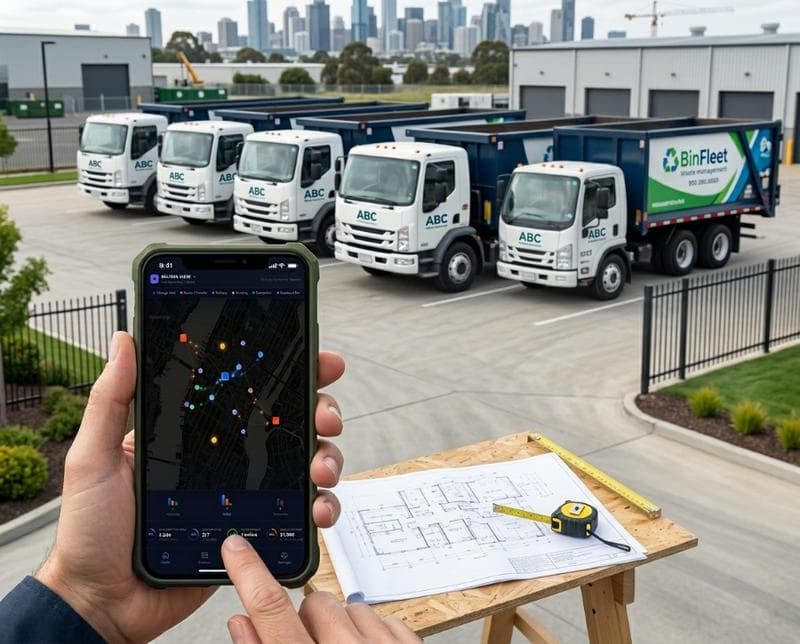
Scaling a Dumpster Rental Business: Your Step-by-Step Growth Plan
How a Driver App Transforms Waste Hauling Operations in 2026