Waste Hauler Fuel Cost Reduction: Proven Strategies to Cut Costs 15-25%

Fuel costs continue to squeeze profit margins across the waste hauling industry, with many operators spending 25-30% of their revenue just keeping trucks on the road. While fuel prices remain largely outside your control, the amount of fuel your operation consumes is entirely within your power to optimize. Smart waste haulers are implementing systematic approaches to reduce fuel consumption by 15-25% without compromising service quality or customer satisfaction.
The key lies in understanding that fuel efficiency isn't just about newer trucks or alternative fuels—it's about operational intelligence. Every route decision, dispatch choice, and maintenance practice directly impacts your bottom line. By focusing on the controllable factors and leveraging technology to make smarter decisions, waste haulers can achieve substantial fuel savings while often improving service delivery in the process.
Route Optimization: The Foundation of Fuel Savings
Inefficient routing remains the single largest contributor to unnecessary fuel consumption in waste hauling operations. Traditional route planning often relies on driver familiarity or basic geographic clustering, missing opportunities to reduce total miles driven and eliminate backtracking. Modern route optimization considers traffic patterns, container weights, truck capacity, and service time windows to create mathematically optimized routes that can reduce fuel consumption by 8-12% immediately.
The impact goes beyond just shorter distances—optimized routes reduce idle time, minimize stops in heavy traffic areas, and balance workloads across your fleet. When routes are properly sequenced, drivers spend less time searching for addresses, make fewer U-turns, and avoid congested areas during peak hours. This systematic approach to route planning transforms fuel consumption from a variable cost into a predictable, manageable expense that improves month over month.
Driver Behavior and Training Programs
Driver habits significantly impact fuel efficiency, with aggressive acceleration, excessive idling, and poor route adherence accounting for 10-15% of unnecessary fuel consumption. Implementing driver scorecards that track fuel efficiency metrics, idle time, and route compliance creates accountability while identifying top performers whose techniques can be shared across the team. Regular training sessions focused on fuel-efficient driving techniques—such as gradual acceleration, anticipating stops, and proper use of engine braking—deliver measurable results within weeks.
The most effective programs combine education with incentives, recognizing drivers who consistently achieve fuel efficiency targets. GPS tracking systems provide detailed data on driving patterns, allowing managers to address specific inefficiencies with individual drivers rather than applying generic solutions. When drivers understand how their actions directly impact company profitability and their own job security, they become active participants in fuel cost reduction rather than passive recipients of company policies.
Vehicle Maintenance and Fleet Management
Preventive maintenance directly correlates with fuel efficiency, as poorly maintained vehicles can consume 10-20% more fuel than properly serviced trucks. Regular tire pressure checks, air filter replacements, and engine tune-ups maintain optimal fuel economy throughout a vehicle's service life. Tracking maintenance schedules and fuel consumption data for each vehicle helps identify which trucks are becoming fuel inefficient and may need attention or replacement.
Fleet composition analysis reveals opportunities for rightsizing vehicles to match route requirements. Using smaller trucks for low-volume routes and reserving larger vehicles for high-capacity runs reduces fuel consumption while maintaining service standards. Additionally, implementing tire pressure monitoring systems and establishing regular maintenance intervals based on actual usage rather than calendar dates ensures vehicles operate at peak efficiency throughout their service life.
Technology Solutions for Fuel Management
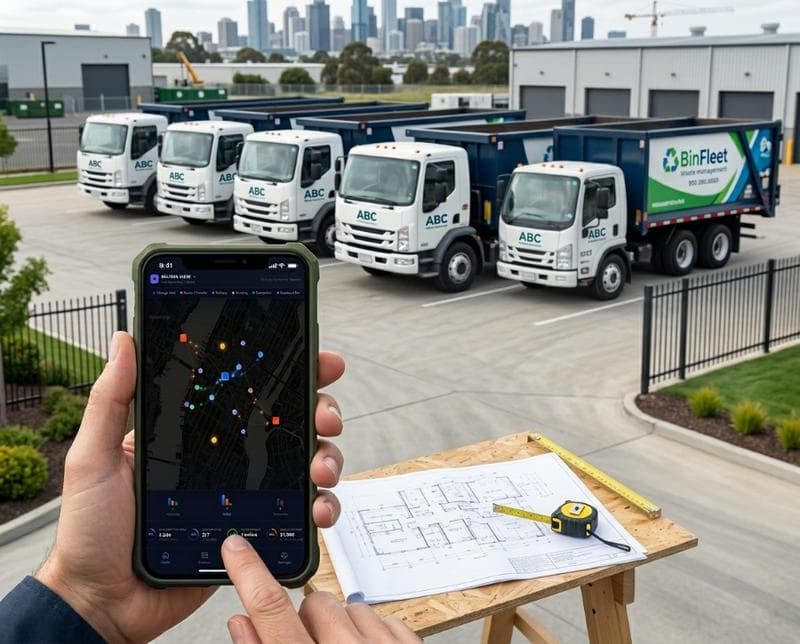
Modern fleet management software provides real-time insights into fuel consumption patterns, route efficiency, and vehicle performance that enable proactive cost reduction. GPS tracking systems combined with fuel monitoring technology identify specific locations and driving behaviors that contribute to excessive consumption. This data-driven approach allows managers to make informed decisions about route adjustments, driver coaching, and vehicle deployment that deliver measurable fuel savings.
Integrated dispatch systems like BinFleet's platform optimize daily operations by automatically assigning routes based on fuel efficiency, driver availability, and customer requirements. These systems eliminate guesswork from dispatch decisions and ensure every truck follows the most efficient path to complete its assigned pickups. The result is reduced fuel consumption, improved customer service, and better resource utilization across the entire operation.
Operational Efficiency and Load Management
Maximizing payload efficiency reduces the number of trips required to service customers, directly impacting fuel costs. Implementing container monitoring systems helps track fill levels and schedule pickups based on actual need rather than fixed schedules. This approach reduces unnecessary trips to partially filled containers while ensuring full containers are serviced promptly, optimizing fuel usage while maintaining customer satisfaction.
Strategic container placement also contributes to fuel savings by reducing travel distances between stops. Analyzing customer usage patterns and adjusting container sizes or pickup frequencies creates more efficient routes with fewer stops per mile. Additionally, coordinating pickup schedules to group nearby customers on the same day minimizes the total distance traveled while servicing the same customer base.
Measuring and Monitoring Fuel Performance
Establishing baseline fuel consumption metrics provides the foundation for measuring improvement and identifying trends. Track fuel costs per mile, fuel efficiency by route, and consumption patterns across different vehicle types to understand where the greatest opportunities exist. Regular reporting on these metrics helps maintain focus on fuel efficiency goals and quickly identifies when consumption begins to drift from targets.
Setting realistic fuel reduction targets based on industry benchmarks and your operation's specific characteristics ensures goals remain achievable while driving meaningful improvement. Monthly reviews of fuel performance data, combined with driver feedback and route analysis, create a continuous improvement cycle that sustains long-term cost reductions. For more insights on operational optimization, explore additional resources on our blog that cover various aspects of waste hauling efficiency.
FAQ: Fuel Cost Reduction for Waste Haulers
What's the typical fuel cost reduction waste haulers can achieve?
Most waste haulers can reduce fuel costs by 15-25% through systematic route optimization, driver training, and proper maintenance practices. The exact savings depend on current efficiency levels and the scope of improvements implemented. Operations with minimal existing optimization often see the highest percentage gains.
How quickly can fuel efficiency improvements show results?
Route optimization and driver behavior changes typically show results within 2-4 weeks of implementation. Vehicle maintenance improvements may take longer to demonstrate full impact, but properly maintained fleets show consistent fuel savings over time. Technology solutions often provide immediate visibility into consumption patterns, enabling faster decision-making.
Is route optimization software worth the investment for smaller haulers?
Yes, even small operations benefit from route optimization technology because fuel represents such a large percentage of operating costs. The fuel savings alone often justify the software investment within 3-6 months. Additionally, optimized routes improve driver productivity and customer service, creating multiple sources of value beyond fuel cost reduction.
What maintenance practices have the biggest impact on fuel efficiency?
Regular tire pressure monitoring, air filter replacement, and engine maintenance provide the most significant fuel efficiency improvements. Properly inflated tires alone can improve fuel economy by 3-5%, while clean air filters and well-maintained engines ensure optimal combustion efficiency. Establishing preventive maintenance schedules based on actual usage rather than calendar dates maximizes these benefits.
Ready to Streamline Your Operation?
See how BinFleet AI helps waste haulers save time, cut costs, and grow.
Request a Free 30-Day Trial