Scaling a Dumpster Rental Business: Your Step-by-Step Growth Plan
Know Your Current Margins Before You Scale
Most dumpster rental owners underestimate how much their margins change as they add trucks. When you're running one or two units yourself, you're not accounting for your labor cost, insurance per vehicle, fuel inefficiency on short routes, and admin overhead. Before adding a third truck, sit down with your financials from the past 12 months. Calculate your true profit per rental after factoring in labor, fuel, maintenance, insurance, and disposal fees. This number tells you whether you can afford to hire a driver without immediately going negative.
If you're clearing 30% net margin on a single truck, doubling trucks doesn't mean doubling profit—it means hiring someone, adding liability insurance, and managing more downtime. Many operators find their margin drops to 18-22% in year one of scaling because they're still learning efficiency. That's normal. The key is knowing your break-even point before you hire. If your current model can't sustain a $50k annual salary plus taxes and benefits for a driver, you're not ready to scale yet. Build more single-truck revenue first, or restructure your pricing.
Solve Your Dispatch and Scheduling Headaches First
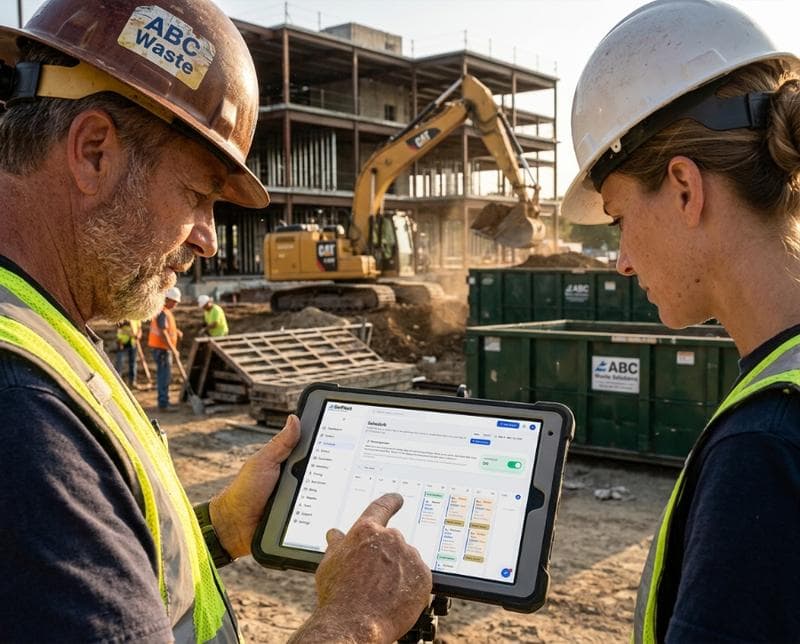
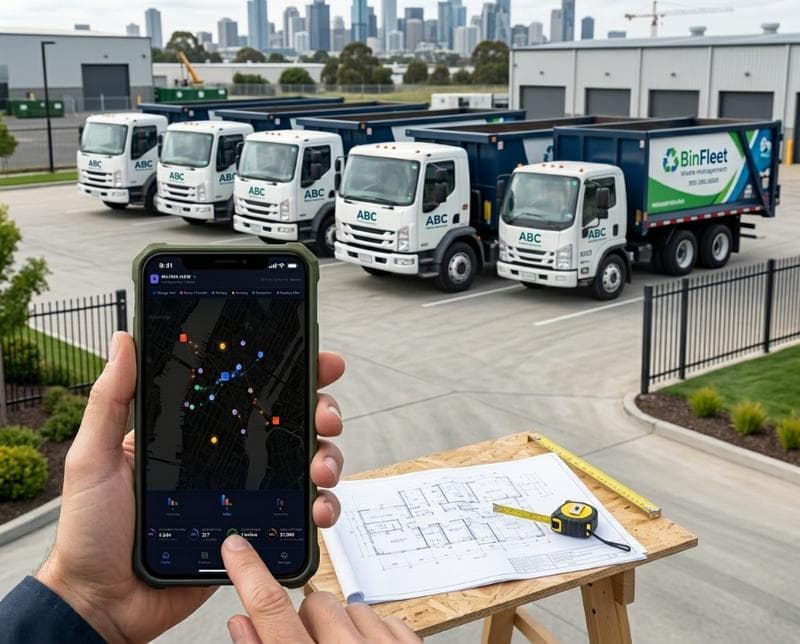
Dispatching one truck from your phone works until it doesn't. The moment you're managing three or four units, you'll lose money to overlap, missed pickups, and routes that waste fuel. Before you add truck two, implement a system that shows you which containers are where, when they're due for pickup, and which driver is closest to the next job. A professional dispatch system isn't optional at scale—it's the difference between profit and chaos. Many owners delay this investment, thinking they'll "figure it out," then lose thousands in wasted hours and missed revenue while their drivers sit idle or backtrack.
The right software also handles customer communication automatically. SMS updates about pickup times, invoice delivery, and payment reminders reduce your phone calls and administrative work by 40-50%. This is critical because once you hire your first driver, you can't spend eight hours a day answering customer questions—you need systems that work while you focus on sales and operations. BinFleet and similar platforms handle routing, driver assignment, and customer updates in real time, which is essential before you scale to a second location or third truck.
Hire Your First Driver Based on Reliability, Not Experience
You don't need an experienced waste hauler for your first driver. You need someone reliable who shows up, drives safely, and won't quit after two months. Many owners hire their cousin or a friend, which backfires when you need to enforce policy or they don't treat equipment with care. Instead, hire someone with a clean driving record, basic mechanical sense, and a genuine interest in the role. Offer competitive wages for your region—not minimum wage. If you're paying $18-22 per hour, you'll attract better people and reduce turnover. Poor hiring decisions cost you more than higher wages ever will.
Before your driver takes their first pickup, write down your procedures in plain language. How do you set a dumpster? How do you handle a damaged unit? What's the safety protocol for overweight bins? When can a customer extend a rental? Document these not because you're bureaucratic, but because consistency keeps customers happy and protects you legally. Your driver is your brand on the road. Train them properly, and your reputation scales with you. Cut corners on onboarding, and you'll spend months fixing mistakes and fielding complaints.
Expand Your Service Area Gradually, Not All at Once
The temptation to add trucks and expand your territory overnight is real, but it destroys profitability. Start by optimizing routes in your current service area. If you're running 40 pickups per week with one truck, you likely have room for 60-70 before adding a second unit. Once you're efficiently serving your territory and turning away customers because you're fully booked, that's when you buy truck number two. Adding capacity before you've maxed out existing capacity is wasteful. Your first truck should be running hard, and your second should start in the same general area so your drivers can support each other and share fuel stops.
After 6-12 months of running two trucks efficiently, then consider a second location or expanding into adjacent neighborhoods. Each expansion should follow the same logic: max out your current capacity first, develop operational playbooks, then grow incrementally. This approach also reduces risk. If a new market doesn't work out, you're not stuck with unused equipment. You learned with a small footprint and can pivot more easily. Operators who try to dominate three neighborhoods in year one usually end up stretched thin, managing quality problems, and bleeding cash.
Build Systems That Work Without You
Your business doesn't truly scale until it runs without your constant hands-on involvement. This means automating billing and payments, standardizing maintenance schedules, creating customer communication templates, and building accountability into your driver's workflow. Many owners get stuck as the dispatcher, accountant, and safety officer all rolled into one. That's not a business—it's a job you can't take a day off from. Start small: use software that automates payment reminders and sends pickup confirmations. Assign maintenance tasks to a checklist so it happens consistently. Create a weekly call script for upselling additional services or addressing late payments.
Documentation is your best friend here. If something lives only in your head, it can't scale. Write one-page guides for common situations: customer complaints, equipment damage, pricing exceptions, and driver disputes. This isn't busywork—it's the foundation of a repeatable business. When you hire your second and third manager, they need to know how decisions get made. When you take a vacation, operations shouldn't fall apart. The companies that scale successfully treat their business model like a recipe that can be taught to others.
Invest in Used Equipment Carefully, Cash Flow Wisely
New dumpsters and roll-off containers are expensive. Many growing operators buy used units at first, which makes sense for cash flow, but requires careful inspection. A corroded, leaking container damaged during a pickup generates customer refunds and negative reviews. Budget for a pre-purchase inspection by a mechanic or trusted vendor. Used trucks are also tempting to save money, but an engine failure on a truck carrying an expensive container at a customer site is a disaster. Buy used selectively, maintain aggressively, and retire equipment as soon as repairs become frequent. A $3,000 truck breakdown costs you more than $5,000 in lost revenue and reputation damage.
Finance your growth conservatively at first. Many owners take a second mortgage or business loan to buy equipment before they've proven the business model. Grow with cash flow first. Buy truck two when truck one is paying for it. This slows growth but protects you from debt spirals if revenue dips. Once you're consistently profitable and your operations are tight, then consider external financing to accelerate. The businesses that survive scaling are those that built enough margin and efficiency to self-fund growth before they borrowed.
FAQ: Common Questions About Scaling Dumpster Rentals
When is the right time to hire my first driver?
Hire when you're consistently turning away customers or spending more than 40 hours a week on routes yourself. If you're working evenings and weekends to keep up, you're ready. The worst time to hire is when revenue is soft—you'll over-invest before you know if the market supports growth. Look for three months of strong, steady demand before committing to a salary.
What should I charge customers to stay competitive but profitable?
Your pricing should cover fuel, maintenance, labor, insurance, disposal fees, and overhead, then add 25-35% for profit and reinvestment. Research your local competitors, but don't just match their price—understand your cost structure first. A dumpster that costs $8 in fuel and disposal plus $6 in labor overhead needs to rent for at least $25-30 to hit healthy margins. Many new operators underprice because they're scared of losing customers. Raise prices gradually and lose the unprofitable jobs.
How do I know if I need dispatch software now or later?
You need it before you add your second truck or hit 30+ weekly pickups. Managing that manually is a losing bet. Software pays for itself in fuel savings and reduced administrative time alone. If you're already stressing about scheduling and tracking, don't wait—that stress multiplies when you scale. Try BinFleet's demo to see how it streamlines dispatch and customer communication.
Should I expand to a second location or add more trucks in my current area first?
Add more trucks in your current area first. You'll understand the market, have established customer relationships, and can reuse your operational playbooks. A second location means learning new competition, finding new customers, and managing logistics in unfamiliar territory—all at the same time. Master one market before you expand geographically.
Your Scaling Checklist
Before you move forward, make sure you've addressed these core elements:
- Calculated your true profit margin per rental and confirmed you can afford a driver salary
- Implemented a dispatch and scheduling system to manage multiple trucks efficiently
- Hired your first driver with a focus on reliability and trained them on standardized procedures
- Optimized routes in your current service area before expanding to adjacent territories
- Documented key workflows so your business doesn't depend entirely on you
- Purchased equipment strategically and managed cash flow to self-fund growth
Start Small, Build Systems, Then Scale
Scaling a dumpster rental business from one truck to five is achievable, but it requires discipline and systems, not just ambition. Too many operators add trucks before they've solved dispatch and training, then wonder why chaos ensues. The successful ones optimize what they have first, document how it works, hire carefully, and add capacity only when demand exceeds supply. Your first two years should focus on building a repeatable operation that runs efficiently, not just growing revenue numbers.
If you're ready to scale but tired of managing dispatch manually, request a demo of BinFleet to see how the platform handles routing, billing, and customer communication for growing operations. Or explore our operations blog for more strategies on efficiency and driver management. The infrastructure you build now determines whether you can actually grow profitably in 2026.
Ready to Streamline Your Operation?
See how BinFleet AI helps waste haulers save time, cut costs, and grow.
Request a Free 30-Day TrialRelated Articles
Driver Apps for Waste Haulers: How Mobile Technology Transforms Daily Operations
How to Manage Seasonal Fluctuations in Dumpster Rental Demand