How Modern Billing Software Transforms Waste Hauler Cash Flow
Cash flow challenges plague waste hauling companies across the country. The traditional billing cycle—paper invoices, manual processing, and check payments—often stretches 30 to 45 days from service delivery to payment collection. For an industry with thin margins and high operational costs, this extended cycle creates serious working capital constraints that limit growth and strain daily operations.
Modern waste hauler billing software addresses these pain points head-on through automated invoicing, integrated payment processing, and real-time financial tracking. Companies implementing these systems typically see their average collection time drop to 15-20 days, with some customers paying immediately upon service completion. This dramatic improvement in cash flow velocity allows operators to reinvest in equipment, expand routes, and maintain healthier relationships with vendors and drivers.
The Hidden Costs of Manual Billing Processes
Manual billing systems create cascading problems beyond slow payment collection. Administrative staff spend countless hours generating invoices, tracking payments, and following up on overdue accounts. These labor-intensive processes not only increase operational costs but also introduce human error that can damage customer relationships and delay payments even further.
The ripple effects extend throughout the organization. Drivers wait longer for commission payments, equipment purchases get delayed due to cash constraints, and growth opportunities slip away because working capital is tied up in unpaid receivables. Many haulers find themselves taking on expensive short-term financing just to cover operational expenses while waiting for customer payments to arrive.
Automated Invoicing Accelerates Revenue Recognition
Digital billing platforms eliminate the delays inherent in manual invoice generation and delivery. When a driver completes a pickup or delivery, the system automatically generates and sends invoices within minutes, rather than waiting for end-of-month batch processing. This immediate invoicing starts the payment clock ticking right away, giving customers more time to process payments within standard terms.
Automated systems also ensure invoice accuracy by pulling data directly from dispatch records and eliminating manual data entry errors. Clean, professional invoices with clear service details and photos reduce customer disputes and payment delays. The result is a smoother billing process that maintains positive customer relationships while accelerating cash collection.
Integrated Payment Processing Removes Payment Friction
Traditional payment methods create unnecessary barriers between service delivery and cash collection. Customers receiving paper invoices must write checks, stuff envelopes, and remember to mail payments. Even credit card payments often require manual processing that introduces delays and potential errors.
Modern billing software integrates payment processing directly into the invoicing workflow. Customers receive digital invoices with one-click payment options, autopay enrollment, and multiple payment methods including ACH, credit cards, and digital wallets. This convenience factor dramatically increases payment speed, with many customers paying immediately upon receiving their invoice notification.
Real-Time Financial Visibility Improves Decision Making
Paper-based billing systems leave operators flying blind when it comes to financial performance. Accounts receivable reports are often weeks behind, making it impossible to identify cash flow problems before they become critical. This lack of visibility hampers strategic decision making and prevents proactive management of customer payment issues.
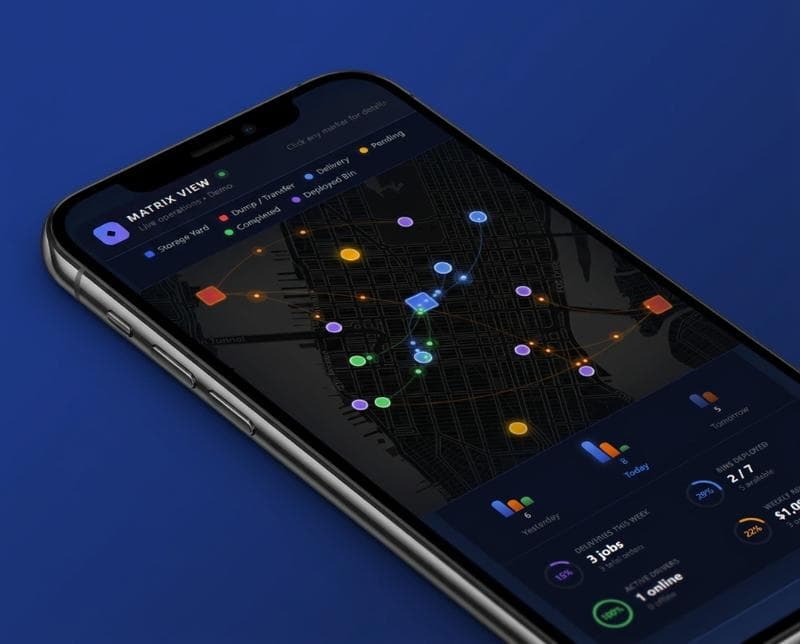
Digital billing platforms provide real-time dashboards showing outstanding invoices, payment trends, and cash flow projections. Operations managers can quickly identify which customers consistently pay late and adjust credit terms accordingly. This visibility enables proactive cash management and helps prevent the cash crunches that can cripple growing waste hauling businesses.
Customer Communication Features Reduce Payment Delays
Poor communication is a major contributor to delayed payments in the waste industry. Customers may have questions about services, dispute charges, or simply forget to pay on time. Traditional billing systems offer limited communication channels, often requiring time-consuming phone calls or emails to resolve issues.
Advanced billing software includes automated communication workflows that keep customers informed throughout the service and payment process. SMS notifications confirm service completion, email reminders prevent late payments, and customer portals allow self-service access to invoices and payment history. These communication features reduce disputes and ensure customers have all the information they need to pay promptly.
Implementation Strategy for Maximum Impact
Successfully transitioning to digital billing requires careful planning and execution. Start by auditing your current billing process to identify the biggest pain points and bottlenecks. Map out your ideal workflow from service completion to payment collection, considering both operational efficiency and customer experience.
Choose a billing platform that integrates seamlessly with your existing dispatch and route management systems. The right software solution should automate invoice generation based on completed services while maintaining the flexibility to handle your unique pricing structures and customer requirements. Training staff and educating customers about the new billing process ensures smooth adoption and maximum benefits from day one.
Frequently Asked Questions
How quickly can digital billing improve our cash flow?
Most waste haulers see improvements within 30-60 days of implementation. The combination of faster invoice delivery and convenient payment options typically reduces average collection time by 50% or more. Some customers begin paying immediately upon service completion when they receive instant digital invoices with one-click payment options.
Will customers accept digital invoicing and payments?
Customer adoption rates exceed 90% when the transition is managed properly. The key is maintaining payment options while adding digital convenience. Most customers appreciate faster, more convenient billing processes, especially when they can access invoice history and make payments anytime through customer portals.
What about customers who prefer paper invoices?
Modern billing software accommodates customer preferences while still improving efficiency. You can automatically print and mail invoices for customers who request them while processing payments digitally. This hybrid approach maintains customer satisfaction while capturing most of the cash flow benefits.
How does billing software integrate with existing operations?
The best billing platforms connect directly with dispatch systems to automatically generate invoices when services are completed. This integration eliminates double data entry and ensures billing accuracy. Look for solutions that work with your current software stack rather than requiring complete system replacement.
Implementing modern billing software represents one of the highest-impact improvements waste hauling companies can make in 2026. The combination of faster invoicing, convenient payment options, and improved financial visibility creates a powerful catalyst for improved cash flow and business growth. Explore how BinFleet's integrated billing features can transform your payment collection process and accelerate your company's growth trajectory.
Ready to Streamline Your Operation?
See how BinFleet AI helps waste haulers save time, cut costs, and grow.
Request a Free 30-Day Trial