How Modern Billing Software Transforms Cash Flow for Waste Haulers
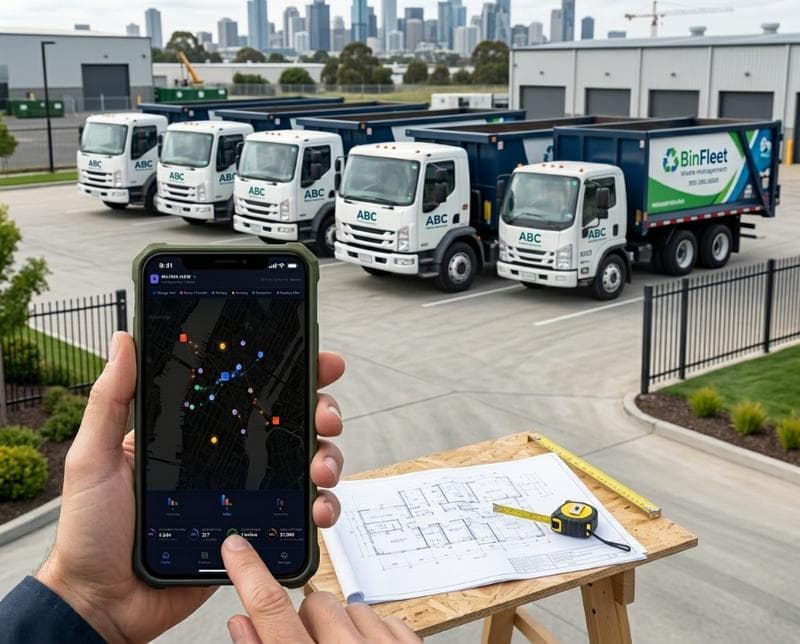
Cash flow challenges plague waste hauling companies more than almost any other operational issue. While your trucks roll daily and containers get emptied on schedule, payment collection often lags weeks or months behind service delivery. Traditional paper-based invoicing systems create unnecessary delays that strain working capital and limit growth opportunities.
Modern billing software designed specifically for waste haulers addresses these cash flow bottlenecks through automated invoicing, integrated payment processing, and real-time financial tracking. Companies implementing digital billing solutions report payment cycle reductions from 45 days to as little as 7-10 days, dramatically improving their financial position and operational flexibility.
The Hidden Costs of Slow Payment Cycles
Every day payment sits outstanding represents lost opportunity for waste hauling operations. When invoices take 30-45 days to collect, companies must maintain larger cash reserves to cover fuel, payroll, equipment maintenance, and disposal fees. This working capital burden forces many haulers to decline profitable contracts or delay equipment purchases that could expand their capacity.
Manual invoicing processes compound these delays through human error, lost paperwork, and administrative bottlenecks. A single billing clerk processing hundreds of monthly invoices cannot match the speed and accuracy of automated systems. Customer disputes over service dates, quantities, or pricing further extend payment timelines when documentation remains scattered across paper forms and spreadsheets.
Automated Invoicing Eliminates Processing Delays
Digital billing platforms automatically generate invoices based on service completion data captured during route operations. When drivers mark containers as serviced through mobile apps, the system immediately creates accurate invoices with proper service dates, quantities, and pricing. This real-time invoice generation eliminates the traditional lag between service completion and bill creation that often extends several days or weeks.
Automated systems also reduce billing errors that frequently delay payment collection. Manual data entry mistakes in customer names, addresses, service quantities, or pricing create confusion that requires time-consuming research and correction. Digital platforms pull information directly from service records and customer databases, ensuring invoice accuracy and reducing dispute-related delays that can extend payment cycles indefinitely.
Integrated Payment Processing Accelerates Collections
Modern waste hauling software integrates payment processing directly into the billing workflow, allowing customers to pay invoices immediately upon receipt. Email invoices include secure payment links that enable credit card, ACH, or bank transfer payments within minutes rather than waiting for checks to be written, mailed, and processed. This immediate payment capability can reduce average collection times from 30-45 days to under two weeks.
Recurring service customers benefit from automated payment processing that charges stored payment methods on schedule without manual intervention. This approach eliminates late payments caused by customer oversight or administrative delays while providing predictable cash flow for hauling operations. Automatic retry logic handles temporary payment failures gracefully, attempting collection again after brief delays rather than requiring manual follow-up.
Real-Time Financial Tracking Improves Decision Making
Digital billing platforms provide instant visibility into outstanding receivables, payment trends, and cash flow projections that help operations managers make informed financial decisions. Dashboard views show which customers consistently pay early, on time, or late, enabling credit management strategies that protect cash flow. This real-time insight allows managers to identify collection issues before they become serious problems.
Integrated financial reporting eliminates the manual work required to track payment performance across multiple systems and spreadsheets. Automated aging reports highlight overdue accounts that need attention, while payment analytics reveal seasonal patterns and customer behavior trends. This comprehensive financial visibility enables more strategic planning around equipment purchases, route expansion, and working capital management.
Customer Self-Service Reduces Administrative Overhead
Modern billing software includes customer portals where clients can view service history, download invoices, and manage payment methods without contacting your office. This self-service capability reduces phone calls and emails about billing questions while empowering customers to resolve issues independently. The reduced administrative burden allows billing staff to focus on strategic activities rather than routine customer service requests.
Customer portals also improve payment compliance by providing 24/7 access to billing information and payment options. Customers can set up automatic payments, view upcoming charges, and receive email notifications about service updates or payment confirmations. This transparent communication reduces billing disputes and creates a more professional customer experience that supports retention and growth.
Implementation Strategy for Maximum Impact
Successful billing software implementation requires careful planning to minimize disruption while maximizing cash flow improvements. Start by migrating high-volume commercial accounts that generate the most revenue, as these customers often have established accounts payable processes that adapt quickly to electronic billing. Residential customers can follow once commercial operations run smoothly.
Training plays a crucial role in realizing the full benefits of digital billing systems. Ensure dispatch staff understand how service completion data feeds into invoice generation, while customer service representatives learn to use portal features for resolving billing inquiries. Consider exploring a demo of comprehensive waste management software to see how integrated billing, routing, and customer management work together to improve overall operations beyond just payment processing.
Frequently Asked Questions
How quickly can we see cash flow improvements after implementing digital billing?
Most waste haulers see measurable cash flow improvements within 30-60 days of implementation. The exact timeline depends on your current billing cycles and customer payment habits, but companies typically reduce average collection times by 15-20 days once customers adapt to digital payment options.
Will customers resist switching from paper invoices to digital billing?
While some customers initially prefer familiar paper processes, most appreciate the convenience of digital invoices and immediate payment options once they experience the benefits. Offering both options during a transition period helps customers adapt gradually while you demonstrate the advantages of electronic billing.
Can billing software integrate with our existing accounting system?
Modern waste hauling platforms typically offer integrations with popular accounting software like QuickBooks, allowing seamless data flow between billing, payment processing, and financial reporting systems. This integration eliminates double data entry while maintaining accurate financial records.
What happens if our internet connection goes down during billing operations?
Cloud-based billing platforms operate independently of your local internet connection, continuing to process payments and generate invoices even during network outages. Most systems also provide offline capabilities for critical functions, syncing data automatically once connectivity returns. You can learn more about modern waste management technology solutions on our operations blog.
Ready to Streamline Your Operation?
See how BinFleet AI helps waste haulers save time, cut costs, and grow.
Request a Free 30-Day Trial