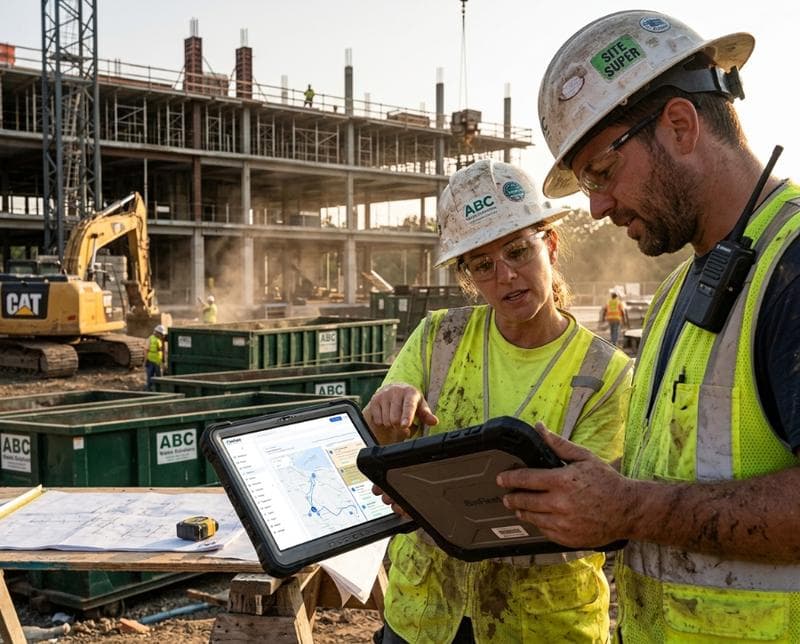
Solving the CDL Driver Shortage: Proven Retention Strategies for Waste Haulers
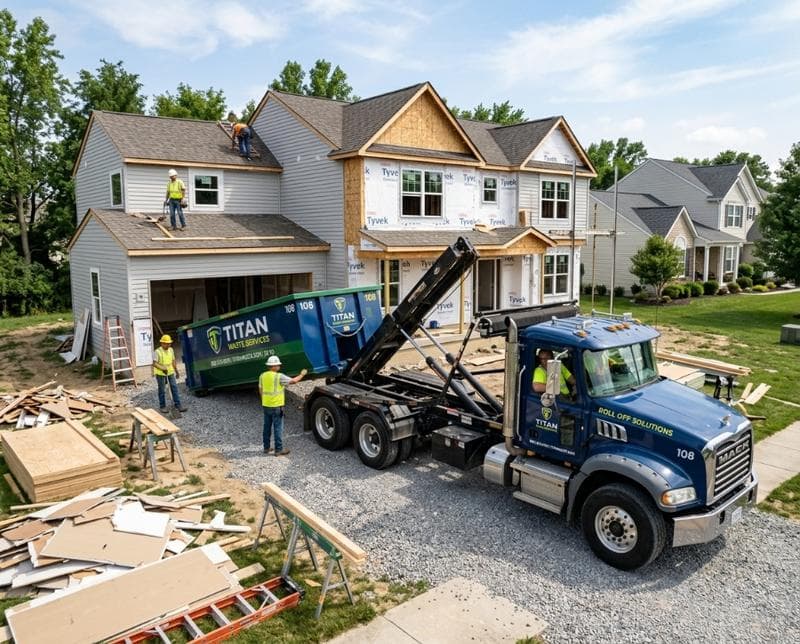
The waste hauling industry faces an unprecedented driver shortage that shows no signs of easing in 2026. While the American Trucking Association reports a shortage of over 80,000 commercial drivers nationwide, waste haulers feel this pinch even more acutely due to the physical demands and early morning schedules inherent to the job. The constant cycle of hiring, training, and losing drivers creates a financial drain that can cripple operations and strain customer relationships.
Forward-thinking waste hauling companies are discovering that retention, not recruitment, holds the key to building stable operations. Rather than throwing money at signing bonuses and competing in bidding wars for drivers, successful operators focus on creating work environments where experienced CDL drivers want to stay. This strategic shift from reactive hiring to proactive retention transforms both operational stability and bottom-line profitability.
Understanding Why Drivers Leave Waste Hauling Jobs
The reasons behind driver turnover in waste hauling extend far beyond simple pay complaints, though compensation remains a critical factor. Many drivers cite unpredictable schedules, lack of communication from dispatch, and feeling undervalued by management as primary reasons for seeking employment elsewhere. The physical demands of waste collection, combined with early start times and route inefficiencies, create a challenging work environment that many drivers find unsustainable over time.
Equipment issues compound these frustrations significantly. Drivers operating poorly maintained trucks face daily stress, potential safety hazards, and the embarrassment of breaking down in front of customers. When dispatch systems lack real-time visibility into driver locations and route progress, drivers often feel micromanaged or abandoned, depending on the situation. These operational pain points, while seemingly minor individually, accumulate to create an environment where even loyal employees begin exploring other opportunities.
Competitive Compensation Beyond Base Pay
Smart waste haulers recognize that competitive compensation extends well beyond hourly wages or annual salaries. Performance bonuses tied to safety records, customer satisfaction, and route efficiency create additional earning opportunities while aligning driver behavior with company goals. Many successful operators implement profit-sharing programs that give drivers a stake in the company's success, transforming them from employees into partners invested in operational excellence.
Benefits packages play an equally crucial role in driver retention strategies. Comprehensive health insurance, retirement contributions, and paid time off demonstrate long-term commitment to employee welfare. Some innovative companies offer benefits like flexible scheduling for senior drivers, paid CDL training upgrades, or tuition assistance for family members. These non-monetary compensation elements often carry more weight with experienced drivers than small increases in hourly rates.
Creating Predictable Schedules and Routes
Schedule predictability ranks among the top priorities for waste hauling drivers, yet many companies struggle to deliver consistent routines. Drivers with families particularly value knowing their start times, expected finish times, and days off well in advance. Companies that invest in route optimization software and efficient dispatch systems can provide this predictability while improving overall operational efficiency. When drivers know they'll finish their routes by 3 PM most days, they can plan personal activities and maintain healthier work-life balance.
Route consistency builds driver expertise and customer relationships that benefit everyone involved. Drivers who service the same neighborhoods develop intimate knowledge of access challenges, customer preferences, and optimal collection sequences. This expertise translates into faster, more efficient service that customers appreciate and drivers take pride in delivering. Modern dispatch systems help operators balance route consistency with operational flexibility, ensuring drivers have predictable assignments while maintaining the ability to handle special requests or equipment changes.
Equipment Maintenance and Driver Safety
Nothing frustrates drivers more than unreliable equipment that breaks down mid-route, creates safety hazards, or reflects poorly on their professionalism. Preventive maintenance programs that keep trucks running smoothly demonstrate respect for drivers' time and safety while protecting the company's reputation with customers. Regular equipment inspections, prompt repairs, and clean, well-maintained vehicles create a work environment that drivers feel proud to be part of.
Safety programs that go beyond regulatory compliance show genuine care for driver welfare. Companies that invest in advanced safety training, provide high-quality personal protective equipment, and maintain zero-tolerance policies for unsafe practices create cultures where drivers feel valued and protected. When accidents do occur, transparent investigation processes and support for injured drivers build trust and loyalty that extends throughout the entire workforce.
Communication and Recognition Programs
Open communication channels between drivers and management prevent small issues from becoming major problems that drive turnover. Regular check-ins, feedback sessions, and anonymous suggestion systems give drivers voices in operational improvements. When drivers see their input implemented in route changes, equipment upgrades, or policy modifications, they develop stronger connections to company success and feel valued as problem-solving partners rather than just equipment operators.
Recognition programs that celebrate driver achievements create positive workplace cultures that employees want to remain part of. Monthly safety awards, customer compliment sharing, and service milestone celebrations cost little but generate significant goodwill. Some companies feature driver spotlights in customer communications or social media, giving hardworking employees public recognition for their dedication. These recognition efforts work particularly well when they highlight behaviors the company wants to encourage, such as customer service excellence or safety leadership.
Technology That Supports, Not Surveils
Modern technology should make drivers' jobs easier, not create additional stress through excessive monitoring. GPS tracking and route optimization systems provide valuable operational insights, but companies must implement these tools thoughtfully to avoid creating feelings of distrust or micromanagement. When drivers understand how technology helps them complete routes more efficiently and safely, they embrace these tools as helpful resources rather than surveillance systems.
Customer communication platforms that send automated updates reduce the number of "where's my driver" calls that interrupt route progress. Drivers appreciate technologies that handle routine customer interactions, allowing them to focus on safe, efficient service delivery. Smart dispatch systems that provide real-time traffic updates, route modifications, and customer notes help drivers succeed while reducing stress and frustration that lead to turnover.
Frequently Asked Questions
What's the average cost of replacing a waste hauling driver?
Industry studies suggest replacing an experienced CDL driver costs between $15,000 and $25,000 when factoring in recruiting, training, lost productivity, and overtime costs for remaining drivers. This figure doesn't include the customer service impacts or route disruptions that often accompany driver turnover.
How long should we expect new drivers to take before becoming fully productive?
Most waste hauling drivers require 90-120 days to reach full productivity on their assigned routes. This includes learning customer locations, developing efficient collection techniques, and building relationships with regular customers. Experienced drivers from other waste companies may adapt faster, but local route knowledge still requires time to develop.
Should we offer signing bonuses or focus retention spending on existing drivers?
Research consistently shows that retention investments generate better returns than signing bonuses for new hires. While competitive signing bonuses may be necessary in tight labor markets, spending equivalent amounts on driver recognition, equipment improvements, or benefit enhancements typically produces longer-lasting results.
How can technology help with driver retention without feeling invasive?
Focus technology implementations on solving driver pain points rather than increasing oversight. Route optimization that reduces drive times, customer communication systems that prevent interruptions, and maintenance alerts that prevent breakdowns all demonstrate how technology can support rather than surveil drivers.
Building a stable, experienced driver workforce requires sustained commitment to creating positive work environments where professionals want to build careers. Companies that invest in driver satisfaction through competitive compensation, reliable equipment, and respectful management practices position themselves for long-term success in an increasingly challenging labor market. See how BinFleet's driver-friendly dispatch system can support your retention efforts with tools designed to make drivers' jobs easier, not harder.
Ready to Streamline Your Operation?
See how BinFleet AI helps waste haulers save time, cut costs, and grow.
Request a Free 30-Day TrialRelated Articles
How to Retain CDL Drivers in Waste Hauling: Proven Strategies for 2026
How Waste Haulers Can Win the Driver Retention Battle in 2026