How Waste Hauling Companies Can Solve Their Driver Retention Crisis
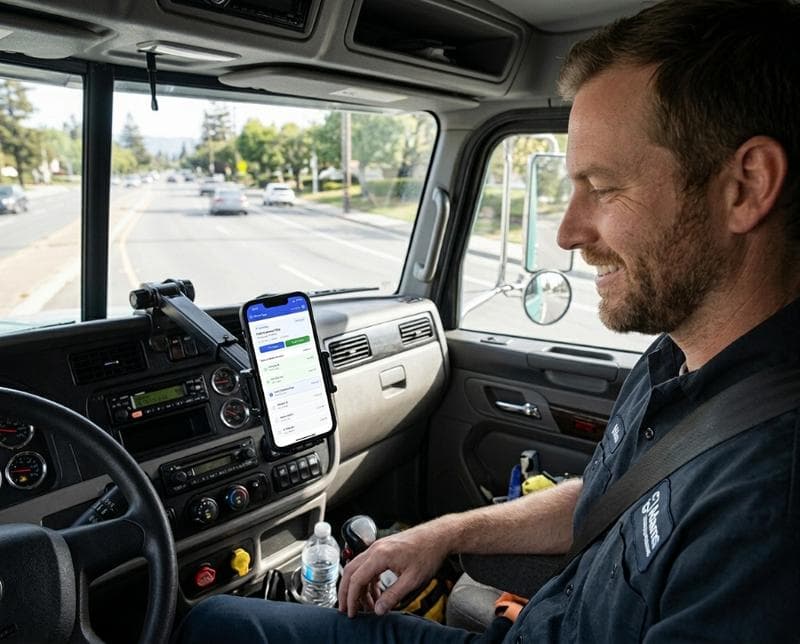
The waste hauling industry is wrestling with a driver retention crisis that shows no signs of slowing down. With CDL driver turnover rates climbing past 90% at many companies and new federal regulations making commercial licenses harder to obtain, operators who fail to retain their workforce face mounting operational costs and service disruptions. The companies thriving in 2026 have discovered that driver retention isn't just about competitive pay—it's about creating an environment where drivers feel valued, supported, and see a clear path forward.
Smart waste hauling operators are shifting their focus from constantly recruiting new drivers to building systems that keep their best performers on board for years. This strategic pivot requires rethinking everything from onboarding processes to daily operations management. When you retain experienced drivers, you reduce recruiting costs, minimize training time, improve safety records, and deliver more consistent service to customers.
Understanding Why Drivers Leave Waste Hauling Jobs
The most common reasons drivers abandon waste hauling positions stem from feeling undervalued and unsupported in their daily work. Poor communication from dispatch, unpredictable schedules that disrupt work-life balance, and inadequate equipment maintenance create frustration that builds over time. When drivers spend their shifts dealing with broken trucks, confusing route changes, or customers who haven't been properly notified about service updates, they start looking elsewhere for better working conditions.
Equipment-related issues rank among the top driver complaints across the industry. Nothing damages morale faster than starting a route with a truck that breaks down mid-shift, forcing drivers to wait hours for repairs or equipment swaps. Similarly, drivers become frustrated when they arrive at job sites only to discover customers weren't properly informed about pickup schedules, leading to confrontations that drivers must navigate without adequate support from the office.
Creating Competitive Compensation That Actually Retains Drivers
While raising base pay certainly helps with retention, the most effective compensation strategies go beyond simple hourly wage increases. Performance-based bonuses tied to safety records, customer satisfaction scores, and route efficiency give drivers additional earning opportunities while reinforcing behaviors that benefit the entire operation. Many successful waste haulers now offer quarterly safety bonuses, annual longevity payments, and profit-sharing programs that make drivers feel invested in the company's success.
Non-monetary compensation often carries equal weight with experienced drivers who value stability and respect. Flexible scheduling options, paid time off that drivers can actually use, comprehensive health insurance, and retirement contributions demonstrate long-term commitment to employee wellbeing. The key is surveying your current drivers to understand which benefits matter most to them, then designing compensation packages that address their specific priorities rather than making assumptions about what motivates them.
Streamlining Operations to Reduce Driver Frustration
Operational inefficiencies that waste driver time and create unnecessary stress directly contribute to turnover problems. When drivers receive last-minute route changes, unclear pickup instructions, or incomplete customer information, they spend valuable time solving problems that proper planning could have prevented. Modern waste management software can eliminate many of these friction points by providing drivers with accurate, up-to-date route information and automated customer communications that set proper expectations.
Equipment reliability and preventive maintenance programs significantly impact driver satisfaction and retention. Drivers who consistently operate well-maintained trucks experience fewer breakdowns, complete routes more efficiently, and feel confident in their ability to provide professional service. Regular equipment inspections, predictable maintenance schedules, and quick response times for repair issues show drivers that management prioritizes their ability to do their jobs effectively. Companies using fleet management systems to track maintenance needs and schedule proactive repairs typically see improved driver satisfaction alongside reduced operational costs.
Building Strong Manager-Driver Relationships
The relationship between drivers and their direct supervisors often determines whether employees stay or leave the company. Managers who treat drivers as valued team members, listen to their concerns, and advocate for their needs create loyalty that transcends pay considerations. Regular check-ins, open communication channels, and genuine interest in driver wellbeing build trust that makes employees less likely to pursue opportunities elsewhere.
Effective waste hauling managers understand that drivers possess valuable insights about route efficiency, customer preferences, and equipment performance. Creating formal and informal opportunities for drivers to share feedback and suggestions demonstrates respect for their expertise while potentially uncovering operational improvements. When drivers see their input implemented and their contributions recognized, they develop stronger emotional connections to the company and their role within the organization.
Investing in Professional Development and Career Advancement
Many waste hauling drivers leave for positions that offer clearer advancement opportunities and skills development. Companies that invest in ongoing training, safety certifications, and leadership development programs give their best drivers reasons to stay and grow within the organization. Cross-training drivers on different types of equipment, offering supervisory track programs, or supporting additional CDL endorsements shows commitment to employee growth that pays dividends in retention.
Career pathing doesn't always mean promoting drivers out of driving positions—many prefer to remain behind the wheel while taking on additional responsibilities. Senior driver roles, trainer positions, equipment specialist designations, or customer relationship responsibilities allow experienced drivers to advance their careers without leaving the field they enjoy. These hybrid roles often command higher pay while utilizing the deep knowledge that long-term drivers have developed.
Leveraging Technology to Support Driver Success
Modern waste management platforms like BinFleet give drivers the tools they need to perform their jobs efficiently while reducing the administrative burdens that create frustration. When drivers can access accurate route information, communicate directly with customers through automated systems, and report issues through mobile apps, they spend more time on productive work and less time managing problems. Real-time visibility into route progress also allows managers to provide proactive support when delays or issues arise.
Technology solutions that improve driver experiences include automated customer notifications that reduce service-related complaints, optimized routing that minimizes drive time, and digital documentation that eliminates paperwork hassles. The goal is removing friction from daily operations so drivers can focus on safe, efficient service delivery. Companies that successfully implement driver-friendly technology often see immediate improvements in job satisfaction and retention rates. Consider scheduling a demo to see how operational software can support your retention efforts.
Frequently Asked Questions
What's the average cost of replacing a waste hauling driver?
Industry estimates suggest replacing a CDL driver costs between $15,000 and $25,000 when you factor in recruiting expenses, training time, lost productivity, and the learning curve for new routes. This doesn't include indirect costs like service disruptions or overtime pay for existing drivers covering additional routes.
How long should we expect new drivers to stay with our company?
With proper onboarding and support systems, aim for average driver tenure of 3-5 years minimum. Companies with strong retention programs often see drivers stay 7+ years, while those with poor practices experience turnover within 6-12 months.
Should we hire inexperienced drivers and train them ourselves?
Training new CDL drivers can create stronger loyalty since they learn your systems from day one, but it requires significant time investment and structured mentorship programs. Many successful operators maintain a mix of experienced hires and trained-from-scratch drivers to balance immediate capability with long-term retention potential.
What role does equipment age play in driver retention?
Newer, well-maintained equipment significantly improves driver satisfaction and reduces turnover. Drivers prefer reliable trucks that reflect positively on their professionalism, and frequent breakdowns quickly erode morale and retention rates.
Building a sustainable driver retention strategy requires commitment across your entire organization, from compensation and benefits to daily operational support. The waste hauling companies succeeding in today's challenging labor market have made driver satisfaction a core business priority, not an afterthought. For more insights on improving your waste management operations, explore our resource library covering everything from route optimization to customer service excellence.
Ready to Streamline Your Operation?
See how BinFleet AI helps waste haulers save time, cut costs, and grow.
Request a Free 30-Day TrialRelated Articles

How to Retain CDL Drivers in Waste Hauling: Proven Strategies for 2026
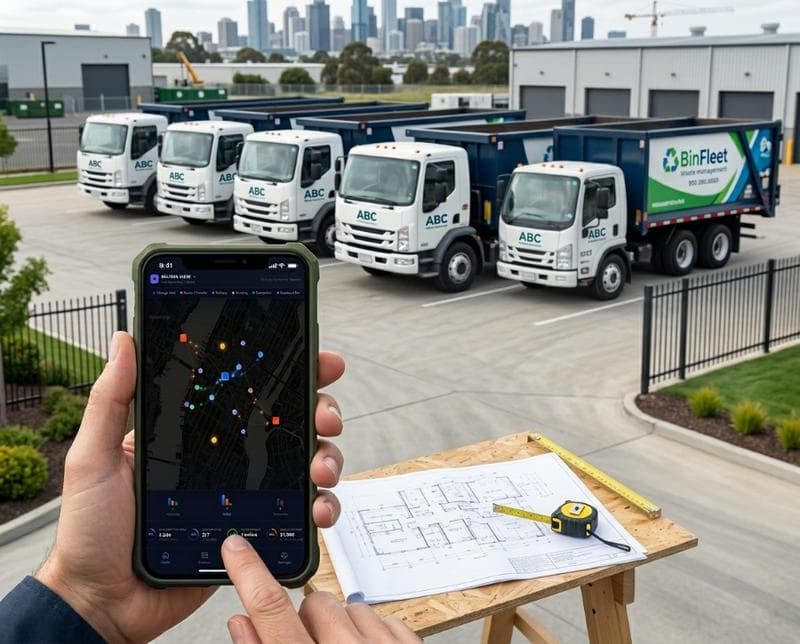
How Waste Haulers Can Win the Driver Retention Battle in 2026