Driver Retention Strategies That Actually Work for Waste Haulers

The waste hauling industry faces a critical shortage of qualified CDL drivers, with turnover rates reaching 90% at some companies. When experienced drivers leave, they take years of route knowledge, customer relationships, and operational efficiency with them. The real cost extends far beyond the $50,000 to $75,000 replacement expense—it includes overtime for remaining drivers, delayed service, frustrated customers, and the constant stress of operating short-staffed.
Smart waste hauling companies are shifting from reactive hiring to proactive retention strategies. Rather than accepting high turnover as industry standard, leading operators are creating work environments that attract and keep quality drivers for years. The companies thriving in 2026's tight labor market understand that driver retention starts before the first day of work and continues throughout every interaction with management, dispatch, and operations.
Create Competitive Compensation Beyond Base Pay
Today's CDL drivers have options, and they're increasingly choosing employers based on total compensation rather than just hourly rates. Successful waste haulers are implementing performance bonuses tied to safety records, customer satisfaction scores, and equipment care. Some operators offer quarterly bonuses for zero customer complaints, while others provide annual safety bonuses that can reach $2,000 to $5,000 for clean driving records.
Beyond bonuses, comprehensive benefits packages make the difference between keeping drivers and losing them to competitors. Health insurance remains the top priority, but drivers also value retirement matching, paid time off that actually gets approved, and flexible scheduling options. Some forward-thinking companies offer tuition reimbursement for family members, equipment cleaning bonuses, or even company-provided work boots and uniforms that drivers don't have to purchase themselves.
Invest in Modern Equipment and Technology
Nothing frustrates experienced CDL drivers more than being assigned outdated, unreliable equipment that breaks down mid-route. Drivers take pride in their work and want trucks that reflect their professionalism. Companies that invest in newer vehicles with comfortable cabs, reliable hydraulics, and modern safety features find their drivers stay longer and refer qualified candidates from their networks.
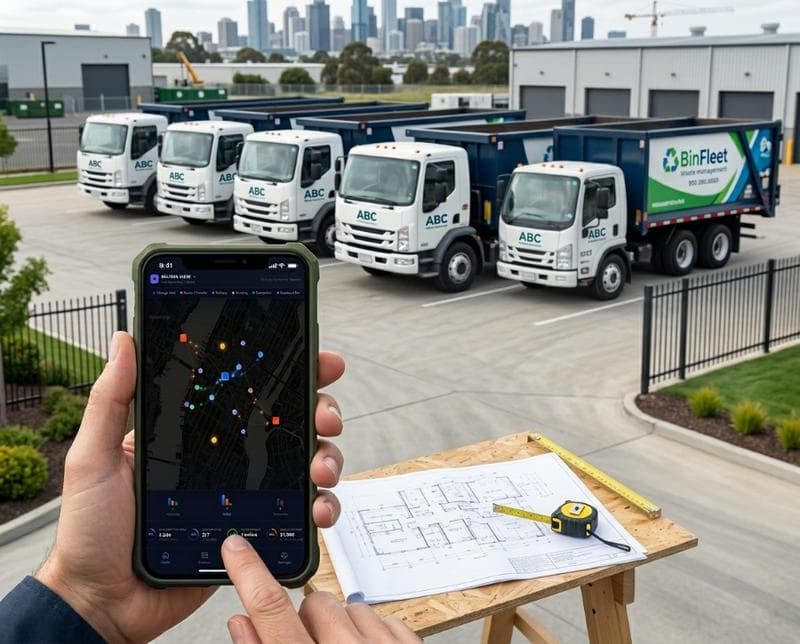
Technology integration also plays a crucial role in driver satisfaction and retention. Modern route optimization software reduces unnecessary miles and helps drivers finish routes more efficiently. Digital systems that provide real-time customer updates and handle payment processing eliminate many of the administrative headaches that drivers previously managed manually. Platforms like BinFleet streamline these operational challenges, allowing drivers to focus on safe service delivery rather than paperwork and communication issues.
Develop Clear Communication and Feedback Channels
Poor communication between drivers and dispatch creates more turnover than low pay in many operations. Drivers need to know their schedules in advance, understand route changes, and receive timely updates about customer requests or complaints. Companies with low turnover establish regular communication protocols that keep drivers informed without micromanaging their daily operations.
Creating formal feedback channels allows drivers to voice concerns before they become resignation letters. Monthly driver meetings, anonymous suggestion systems, and open-door policies with operations managers help identify problems early. When drivers see their input leading to actual changes—whether that's adjusting unrealistic route schedules or fixing recurring equipment issues—they develop stronger loyalty to the company and feel valued as team members rather than replaceable resources.
Implement Structured Training and Career Development
New drivers often leave within the first 90 days because they feel unprepared for the complexity of waste hauling routes. Comprehensive onboarding programs that pair new hires with experienced mentors reduce early turnover significantly. The best training programs cover not just driving skills but customer interaction, safety protocols, equipment maintenance, and route efficiency techniques that help drivers succeed from day one.
Career development opportunities keep experienced drivers engaged long-term. Some companies create pathways for drivers to advance into training roles, equipment maintenance positions, or dispatch coordination. Others offer cross-training opportunities that let drivers learn different aspects of the business. When drivers see potential for growth beyond the driver's seat, they're more likely to view their position as a career rather than just a job.
Focus on Work-Life Balance and Scheduling Flexibility
The demanding nature of waste hauling schedules contributes heavily to driver burnout and turnover. Companies that offer predictable schedules, reasonable overtime policies, and actual time off find their drivers stay longer and perform better. Some operators implement four-day work weeks during slower periods or rotate Saturday schedules so drivers aren't working every weekend.
Flexibility around personal emergencies and family commitments also builds driver loyalty. When companies work with drivers who need time for medical appointments, family events, or personal situations, they create goodwill that translates into longer tenure. This doesn't mean accepting unreliable attendance, but rather working with good employees when life situations arise that require schedule adjustments.
Measure and Monitor Retention Success
Effective retention strategies require ongoing measurement and adjustment. Track not just turnover rates but exit interview feedback, time-to-productivity for new hires, and driver satisfaction surveys. Companies using data-driven approaches can identify which retention initiatives provide the best return on investment and adjust their strategies accordingly.
Regular analysis of retention metrics helps identify trends before they become crises. If turnover spikes in certain months, with specific supervisors, or on particular routes, that data guides targeted improvements. The most successful waste hauling operations treat driver retention as an ongoing operational priority rather than a periodic human resources concern, continuously refining their approach based on what actually works in their specific market and company culture.
FAQ
What's the average cost of replacing a CDL driver in waste hauling?
Replacing a CDL driver typically costs between $50,000 and $75,000 when you factor in recruiting, training, lost productivity, and overtime for existing drivers. This includes advertising costs, background checks, CDL verification, training wages, and the productivity loss during the 30-90 day learning curve.
How long should driver training programs last for waste hauling?
Most successful waste hauling companies run 2-4 week training programs depending on route complexity and driver experience. New CDL holders often need the full month, while experienced drivers transitioning from other hauling work might complete training in 10-14 days. The key is pairing classroom instruction with supervised route experience.
What retention rate should waste haulers target?
Leading waste hauling companies maintain annual driver turnover rates between 25-40%, significantly better than the industry average of 70-90%. Companies with strong retention programs often see their best drivers stay 3-5 years or longer, creating stability that improves customer service and operational efficiency.
Should waste haulers offer signing bonuses to attract drivers?
Signing bonuses can attract candidates but don't improve long-term retention unless combined with strong workplace culture and competitive ongoing compensation. Many companies find better success with retention bonuses paid after 6-12 months of employment, which rewards drivers for staying rather than just starting.
Ready to Streamline Your Operation?
See how BinFleet AI helps waste haulers save time, cut costs, and grow.
Request a Free 30-Day TrialRelated Articles

How to Retain CDL Drivers in Waste Hauling: Proven Strategies for 2026
How Waste Haulers Can Win the Driver Retention Battle in 2026