How Waste Haulers Can Win the Driver Retention Battle in 2026
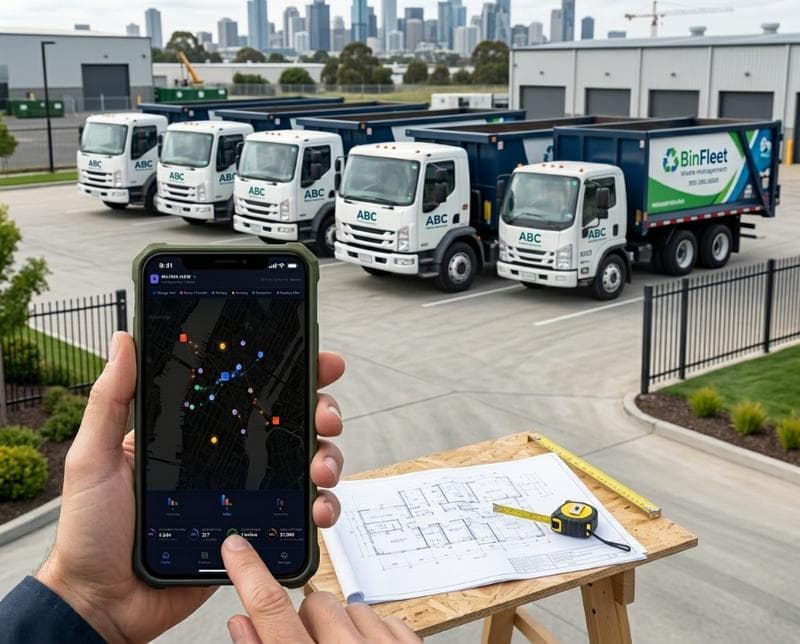
The waste hauling industry faces one of its toughest challenges in 2026: finding and keeping qualified CDL drivers. With trucking companies, delivery services, and construction firms all competing for the same talent pool, waste haulers must think strategically about driver recruitment and retention. The operators who survive and thrive are those who understand that drivers have choices—and they're choosing employers who offer more than just a paycheck.
Driver turnover costs waste hauling companies between $15,000 and $25,000 per driver when you factor in recruiting, training, lost productivity, and overtime for remaining staff. More importantly, high turnover destroys customer service consistency and puts enormous strain on your existing team. The solution isn't just throwing money at the problem—it's creating a workplace where drivers genuinely want to stay.
Building Competitive Compensation Packages That Work
Smart waste haulers in 2026 are moving beyond base hourly rates to create total compensation packages that address what drivers actually value. This means combining competitive base pay with performance bonuses, safety incentives, and benefits that matter to CDL drivers and their families. The most successful operators are offering health insurance with low deductibles, retirement contributions, and paid time off that drivers can actually use without penalty.
Transparency in pay structure builds trust and reduces turnover. Drivers want to know exactly how much they'll earn each week, not wonder if route changes or equipment issues will hurt their paycheck. Some forward-thinking companies are implementing guaranteed minimum weekly pay regardless of route density or weather delays, giving drivers the financial stability they need while maintaining operational flexibility for the business.
Creating Better Working Conditions and Equipment
Modern drivers expect modern equipment, and waste haulers who skimp on truck maintenance and updates are losing drivers to competitors with newer fleets. Well-maintained trucks with comfortable cabs, reliable hydraulics, and safety features like backup cameras and automated transmission don't just improve driver satisfaction—they reduce mechanical downtime and workers' compensation claims. The investment in quality equipment pays for itself through reduced maintenance costs and higher driver retention.
Route optimization technology also plays a crucial role in driver satisfaction. When drivers spend less time stuck in traffic or hunting for addresses, they finish routes faster and feel less stressed. Modern dispatch software can automatically optimize routes, send real-time updates to customers, and give drivers the tools they need to work efficiently. Drivers appreciate technology that makes their job easier, not more complicated.
Implementing Effective Training and Safety Programs
Comprehensive training programs do more than teach skills—they show drivers that your company invests in their success. Effective training covers not just vehicle operation and safety protocols, but also customer service standards and route efficiency techniques. The best programs pair new drivers with experienced mentors for the first few weeks, creating a support system that reduces early turnover and builds company culture.
Safety programs that actually protect drivers, rather than just check compliance boxes, create loyalty and reduce insurance costs. This includes regular safety meetings that focus on real workplace hazards, immediate attention to safety concerns raised by drivers, and recognition programs for drivers with excellent safety records. When drivers see that management genuinely cares about their wellbeing, they're more likely to view the job as a long-term career rather than a temporary stop.
Leveraging Technology to Improve Driver Experience
The right technology stack can transform driver satisfaction by eliminating frustrating manual processes and improving communication. Mobile apps that let drivers update job status, communicate with dispatch, and access route information in real-time reduce the stress of constant radio chatter and paperwork. GPS tracking systems, when implemented transparently, can actually protect drivers by providing accurate records of their activities and location.
Customer communication technology also benefits drivers directly by reducing complaints and service calls. When customers receive automated SMS updates about pickup times and service changes, drivers face fewer frustrated customers and can focus on their core job responsibilities. Modern waste hauling operations use technology to create smoother workflows that make everyone's job easier, from the office to the route.
Building Company Culture and Recognition Programs
Company culture isn't just a buzzword—it's the difference between drivers who show up and drivers who care about doing quality work. This starts with treating drivers as skilled professionals rather than easily replaceable laborers. Regular one-on-one meetings between drivers and supervisors, opportunities for input on operational decisions, and clear advancement paths all contribute to a culture where drivers feel valued and heard.
Recognition programs work best when they celebrate the behaviors and outcomes you want to see more of. This might include monthly awards for safety excellence, customer service recognition, or efficiency improvements. The key is making recognition immediate, specific, and meaningful—a sincere thank you and public acknowledgment often means more than a generic bonus. Successful waste haulers also create opportunities for experienced drivers to train newcomers, giving veteran drivers additional responsibility and recognition.
Measuring and Improving Retention Strategies
What gets measured gets managed, and driver retention is no exception. Track key metrics like turnover rate, time-to-productivity for new hires, and exit interview feedback to understand what's working and what needs improvement. The most valuable metric is often voluntary turnover rate—drivers leaving for better opportunities elsewhere rather than for personal reasons or performance issues.
Regular driver surveys and exit interviews provide direct feedback about what drives retention in your specific operation. Common themes might include frustration with equipment, desire for more predictable schedules, or concerns about safety. Acting on this feedback, even when it requires significant investment or operational changes, demonstrates that management takes driver concerns seriously and builds trust throughout the organization.
Frequently Asked Questions
What's the average driver turnover rate in waste hauling?
Industry averages vary by region, but most waste hauling companies see annual turnover rates between 35-60%. The best-performing companies maintain turnover below 25% through comprehensive retention strategies that address pay, working conditions, and company culture.
How much should we budget for driver retention initiatives?
A good rule of thumb is to invest 3-5% of your total driver payroll in retention initiatives, including training, recognition programs, and equipment improvements. This investment typically pays for itself through reduced recruiting costs and improved operational efficiency.
What benefits do CDL drivers value most?
Health insurance, predictable schedules, and respect from management consistently rank as top priorities for CDL drivers. While competitive pay is important, many drivers will accept slightly lower wages for significantly better working conditions and job security.
How long does it typically take to train a new waste hauling driver?
Most companies report 2-4 weeks for basic competency, with full productivity typically reached within 6-8 weeks. Investment in structured training programs and mentorship can reduce this timeline while improving safety and job satisfaction for new hires.
Ready to Streamline Your Operation?
See how BinFleet AI helps waste haulers save time, cut costs, and grow.
Request a Free 30-Day TrialRelated Articles

How to Retain CDL Drivers in Waste Hauling: Proven Strategies for 2026

How Waste Haulers Can Recruit and Retain Quality CDL Drivers in 2026