Driver Retention Strategies That Actually Work for Waste Haulers
The waste hauling industry faces a critical challenge in 2026: finding and keeping quality CDL drivers in an increasingly competitive labor market. While other industries struggle with general labor shortages, waste haulers face the unique challenge of requiring specialized licenses, physical demands, and early morning schedules that make driver retention even more complex. The companies that thrive are those that understand driver retention isn't just about compensation—it's about creating an environment where drivers want to stay long-term.
Smart operators recognize that losing a trained driver costs far more than the recruitment fees. Between lost productivity, overtime costs for remaining drivers, training expenses for replacements, and potential service disruptions, a single driver departure can cost a company $15,000 to $25,000. The math is simple: investing in retention strategies pays immediate dividends to your bottom line while maintaining service quality for customers.
Understanding What Drivers Actually Want
The biggest mistake waste hauling companies make is assuming drivers are only motivated by higher wages. While competitive pay remains important, exit interviews consistently reveal that drivers leave because of poor communication, unpredictable schedules, and feeling undervalued by management. Drivers want to know their routes in advance, understand company decisions that affect their daily work, and receive recognition when they go above and beyond for customers or safety standards.
Successful companies conduct regular one-on-one meetings with drivers to discuss route efficiency, equipment concerns, and career development opportunities. These conversations often reveal small operational changes that can dramatically improve driver satisfaction, such as adjusting start times to reduce traffic delays or providing better route optimization tools. When drivers feel heard and see their feedback implemented, they develop stronger loyalty to the company and become advocates for recruiting new talent.
Streamlining Operations to Reduce Driver Frustration
Nothing drives away good CDL drivers faster than operational inefficiencies that waste their time and make their jobs unnecessarily difficult. Outdated dispatch systems, poor route planning, and communication breakdowns create daily frustrations that accumulate over time. Drivers appreciate when technology actually makes their work easier rather than adding complexity to their day.
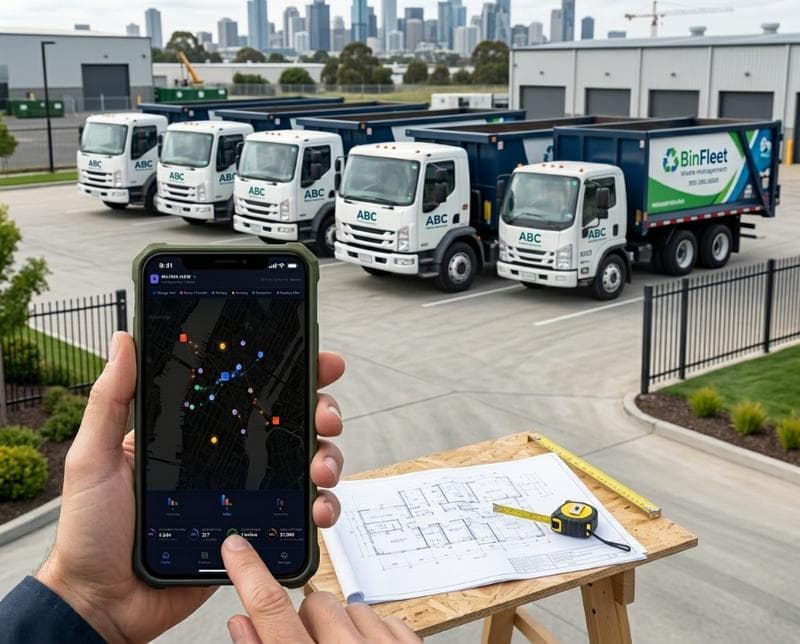
Modern fleet management platforms help eliminate many common pain points by providing drivers with optimized routes, real-time customer updates, and clear communication channels with dispatchers. When drivers can focus on safe, efficient service delivery rather than dealing with scheduling confusion or customer complaints about missed pickups, job satisfaction increases significantly. Companies using comprehensive management systems like BinFleet's integrated platform report higher driver retention rates because their operations run more smoothly from dispatch to customer service.
Building a Positive Company Culture
Waste hauling can be a tough job, but companies with strong retention rates create cultures where drivers feel respected and valued as professionals. This starts with how management communicates during both good times and challenges, ensuring drivers understand business decisions and their role in company success. Regular team meetings, safety bonuses, and public recognition of exceptional performance help build the kind of workplace culture that drivers recommend to friends and family.
The most successful companies also invest in driver comfort and safety beyond minimum requirements. This includes maintaining clean, well-functioning trucks, providing quality safety equipment, and ensuring drivers have proper facilities for breaks and paperwork. When drivers see their employer investing in their working conditions, they're more likely to take pride in their work and stay committed to the company long-term.
Competitive Compensation Beyond Base Wages
While salary alone doesn't guarantee retention, being significantly below market rates will certainly drive drivers away. However, smart compensation strategies go beyond hourly wages to include performance bonuses, safety incentives, and benefits that matter to drivers and their families. Health insurance, paid time off, and retirement contributions often weigh heavily in drivers' decisions to stay with or leave a company.
Consider implementing tiered bonus structures that reward both individual performance and team achievements. Safety bonuses for accident-free periods, efficiency bonuses for completing routes ahead of schedule, and customer service bonuses for positive feedback create multiple ways for drivers to increase their earnings while supporting company goals. These programs work best when the criteria are clear, achievable, and consistently applied across all drivers.
Training and Career Development Opportunities
Many drivers stay with companies that invest in their professional development and provide clear paths for advancement. This doesn't necessarily mean every driver wants to become a supervisor, but offering additional certifications, cross-training on different equipment, or opportunities to mentor new hires gives drivers variety and growth within their role. Companies that pay for additional CDL endorsements or safety certifications demonstrate investment in their drivers' careers.
Creating formal training programs for new hires also improves retention by setting proper expectations from day one. Comprehensive onboarding that covers not just safety procedures but also customer service standards, company culture, and career opportunities helps new drivers feel prepared and supported. Pairing new hires with experienced mentors creates relationships that often lead to longer tenure and better integration into the team.
Using Technology to Support Driver Success
The right technology can transform a driver's daily experience from frustrating to efficient. GPS routing that accounts for truck restrictions and traffic patterns, mobile apps that let drivers communicate directly with customers about delays or changes, and digital paperwork systems that reduce administrative burden all contribute to job satisfaction. Drivers appreciate when technology solves problems rather than creating them.
Successful waste hauling operations leverage integrated management systems that connect dispatch, routing, customer service, and driver communication into seamless workflows. When drivers can access their schedules, update job statuses, and communicate with the office through user-friendly mobile interfaces, they spend more time focused on service delivery and less time dealing with operational confusion. This efficiency translates directly into higher job satisfaction and retention rates. You can see how these systems work together by exploring our operations management insights.
Frequently Asked Questions
What's the average cost of replacing a CDL driver in waste hauling?
Replacing a CDL driver typically costs between $15,000 and $25,000 when you factor in recruitment, training, lost productivity, and overtime costs for remaining drivers. This calculation includes advertising costs, background checks, drug testing, training wages, and the productivity loss during the ramp-up period for new hires.
How long should we expect it to take to fully train a new waste hauling driver?
Most companies find it takes 4-6 weeks to fully train a new driver, even with prior CDL experience. This includes learning specific routes, understanding customer preferences, mastering equipment operations, and becoming comfortable with company procedures. Rushing this process often leads to safety issues and early turnover.
Should we focus more on recruiting new drivers or retaining existing ones?
Retention should be your primary focus since it's far more cost-effective than constant recruiting. However, you need both strategies working together—strong retention practices also make your company more attractive to potential hires. Companies with low turnover rates often find that their drivers become their best recruiting tool through word-of-mouth referrals.
What role does route optimization play in driver retention?
Route optimization significantly impacts driver satisfaction by reducing unnecessary driving time, minimizing traffic delays, and creating predictable schedules. Drivers appreciate efficient routes that let them complete their work without rushing while still maintaining work-life balance. Poor routing creates stress and makes the job unnecessarily difficult, leading to higher turnover rates.
Building a strong team of CDL drivers requires a comprehensive approach that addresses compensation, working conditions, technology, and company culture. The companies succeeding in 2026's competitive labor market are those that view drivers as valuable professionals deserving of investment and respect. Ready to see how better operations management can improve your driver retention? Schedule a demo to explore solutions that support both your drivers and your business goals.
Ready to Streamline Your Operation?
See how BinFleet AI helps waste haulers save time, cut costs, and grow.
Request a Free 30-Day TrialRelated Articles
How to Retain CDL Drivers in Waste Hauling: Proven Strategies for 2026
How Waste Haulers Can Win the Driver Retention Battle in 2026