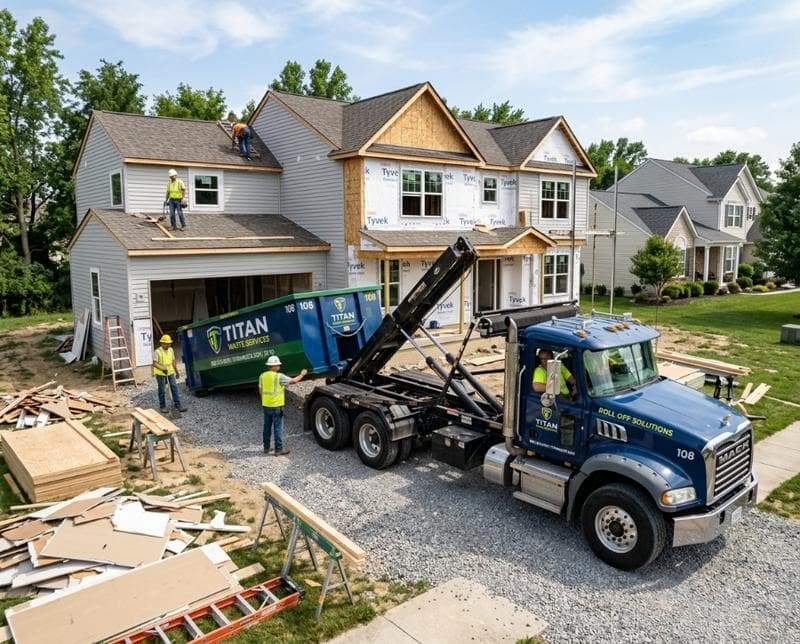
Waste Hauler Technology Trends Reshaping Operations in 2025 and Beyond
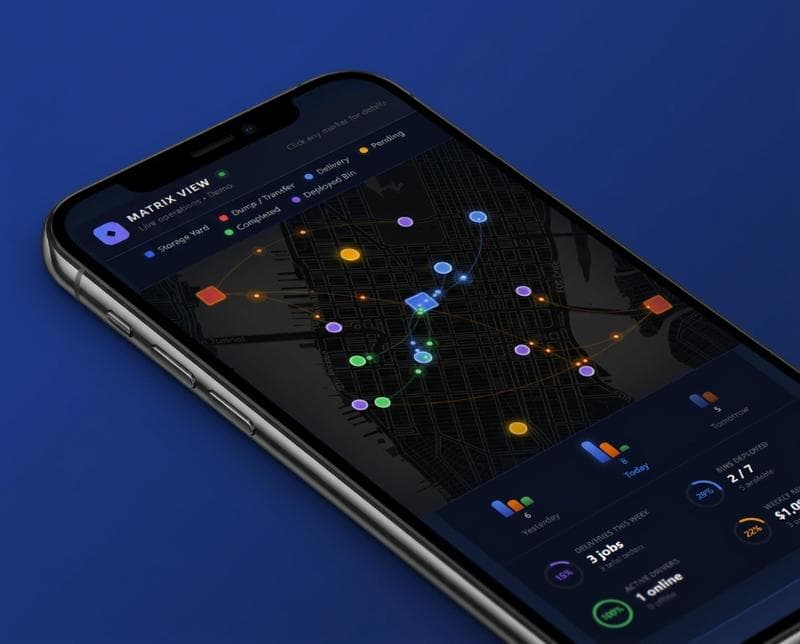
Real-Time Route Optimization is Now Essential, Not Optional
Five years ago, route optimization was a nice-to-have feature that could save a few gallons of fuel per week. Today, it's become critical infrastructure for any hauler serious about profitability. The gap between manual routing and AI-driven optimization has widened dramatically as fuel costs remain volatile and labor shortages intensify. Operators who still rely on driver experience or spreadsheet-based scheduling are losing thousands monthly to inefficient runs, wasted fuel, and preventable overtime.
Modern route optimization engines now process real-time traffic data, driver availability, container locations, and service windows simultaneously—something human dispatchers simply cannot do at scale. The best platforms integrate live GPS tracking with predictive modeling, allowing you to adapt routes instantly when a customer calls for an emergency pickup or a driver falls behind schedule. This isn't just about shaving minutes off delivery times; it's about maximizing containers per run, reducing fuel consumption, and delivering better customer service simultaneously.
IoT and Container Tracking Transform Inventory Management
Many haulers still lose track of containers regularly—they sit at job sites forgotten, end up in the wrong yard, or get delivered to customers without proper billing documentation. IoT-enabled tracking devices mounted on dumpsters and bins solve this problem by providing continuous location data and usage insights. These sensors can monitor fill levels, alert you when a container needs pickup, and automatically trigger billing when a service is completed, eliminating manual verification steps that create bottlenecks in your accounting workflow.
The operational benefit extends beyond finding lost containers. Fill-level sensors help dispatchers schedule pickups more efficiently, preventing overflow complaints while avoiding unnecessary trips to half-full containers. This data also reveals which customers consistently overfill their bins, giving you leverage to discuss upsells or compliance issues. Over time, container tracking systems pay for themselves through improved utilization rates and reduced liability from spillage or overflow incidents.
Mobile-First Dispatch and Driver Workflows
Drivers are your frontline operations team, but many haulers still expect them to navigate between paper manifests, radio communication, and handwritten notes. Modern mobile-first dispatch platforms give drivers a single touchpoint where they see their assigned route, accept or flag jobs, photograph pickup conditions, collect electronic signatures, and report issues in real-time. This eliminates communication delays and ensures dispatch has accurate status updates throughout the day rather than discovering problems when the truck returns to the yard.
The efficiency gains compound throughout your operation. Drivers spend less time on administrative tasks and more time on billable service. Dispatchers can redirect trucks to handle new calls without confusion. Customers receive accurate ETAs and real-time notifications when their container is being serviced. And your back office has verified job data automatically synced to billing systems, reducing invoice disputes and accounting errors that often take weeks to resolve.
Customer Self-Service Portals Reduce Administrative Overhead
Inbound customer calls asking for schedule changes, billing questions, or service adjustments represent a surprising amount of dispatcher time that doesn't directly generate revenue. Progressive haulers are deploying customer portals where clients can request pickups, modify service frequencies, check invoices, and make payments without calling the office. This shift dramatically reduces phone traffic during peak hours while improving customer satisfaction by eliminating wait times.
These portals also create valuable data that improves your operations. Customers who can easily reschedule pickups are less likely to call with complaints. Transparent billing dashboards reduce payment disputes. And analytics on portal usage reveal which service changes are most common, helping you optimize your standard offerings. The investment in portal technology typically pays for itself within six months through reduced administrative labor alone.
Predictive Maintenance Keeps Trucks on the Road
A hydraulic failure on your largest compactor truck isn't just an equipment problem—it's lost revenue, stranded drivers, and service disruptions that damage customer relationships. Predictive maintenance systems use telematics data from your fleet to identify wear patterns before catastrophic failures occur. These systems monitor engine diagnostics, hydraulic pressure, fuel efficiency anomalies, and mileage intervals, alerting maintenance teams to schedule preventive service during planned downtime rather than emergency repairs on the side of the highway.
The financial impact is substantial. Preventive maintenance costs roughly 40% less than emergency repairs and eliminates the revenue loss from vehicles sitting idle. Fleets with robust predictive maintenance programs also extend equipment lifespan by 20-30% by catching small issues before they cascade into major damage. This becomes increasingly important as truck prices climb and supply chain delays make equipment replacement difficult to schedule quickly.
Integrated Payment Processing and Financial Visibility
Many waste haulers still manage customer payments through three separate systems: invoicing software, payment processing platforms, and accounting software. This fragmentation creates reconciliation nightmares, cash flow visibility issues, and delays in recognizing when customers fail to pay. Modern integrated platforms consolidate invoicing, payment collection, and accounting into a single system where every transaction flows automatically to your financial reports without manual data entry.
Beyond simplification, integrated payment systems enable better financial decision-making. You have real-time visibility into outstanding receivables, payment patterns, and which customers consistently miss due dates. Some platforms offer automated payment reminders and retry logic for failed transactions, reducing the manual collection work that typically falls to office staff. For growth-minded operators, this visibility into cash flow and customer credit health enables more aggressive expansion without the financial risk that blindsides many scaling companies.
FAQ: Common Questions About Waste Hauling Technology Trends
How much should we budget for technology implementation?
Most small to mid-sized haulers invest between $200-500 per truck annually for a comprehensive software platform covering dispatch, tracking, and billing. The ROI typically materializes within 6-12 months through fuel savings, reduced labor overhead, and fewer billing errors. Larger fleets with 50+ trucks often see lower per-unit costs and faster payback periods due to scale economies.
Can we implement new technology without disrupting current operations?
The best platforms offer phased rollouts where you can start with core modules (like dispatch and GPS tracking) and layer in additional features like IoT sensors or customer portals over time. Many providers offer onboarding support and training to minimize learning curve. Most haulers operate normally during implementation, though it does require staff time commitment to testing and training for a few weeks.
What's the difference between a specialized waste hauling platform and generic logistics software?
Waste hauling has unique operational requirements—recurring service contracts, roll-off and dumpster-specific tracking, bin weights and fill levels, and compliance with local regulations—that generic logistics platforms don't address natively. Specialized platforms like BinFleet are built around these workflows, requiring less customization and fewer workarounds. This typically results in faster implementation and better long-term fit.
How do IoT sensors handle extreme weather or outdoor conditions?
Modern IoT tracking devices are ruggedized for outdoor waste environments with sealed enclosures, wide operating temperature ranges, and multiple power backup options. Most devices use cellular and GPS connectivity with redundant communication paths to ensure reliable tracking even in dense urban areas or remote locations. Battery life typically ranges from 2-5 years depending on usage patterns.
The Path Forward: Technology as Competitive Advantage
Waste hauling remains fundamentally a local, relationship-driven business. But the haulers winning market share in 2025-2026 are those using technology strategically to become more reliable, responsive, and transparent than competitors still managing operations manually. The technology trends outlined here aren't futuristic—they're already deployed by leading operators and are becoming baseline expectations among sophisticated customers.
If your operation relies primarily on institutional knowledge, driver experience, and phone calls to manage daily dispatch, now is the time to evaluate modern alternatives. Schedule a demo to see how an integrated platform can streamline your operations, or explore our blog for more specific strategies on implementing technology in waste hauling businesses. The investment you make today in operational efficiency becomes the foundation for profitable growth tomorrow.
Ready to Streamline Your Operation?
See how BinFleet AI helps waste haulers save time, cut costs, and grow.
Request a Free 30-Day TrialRelated Articles
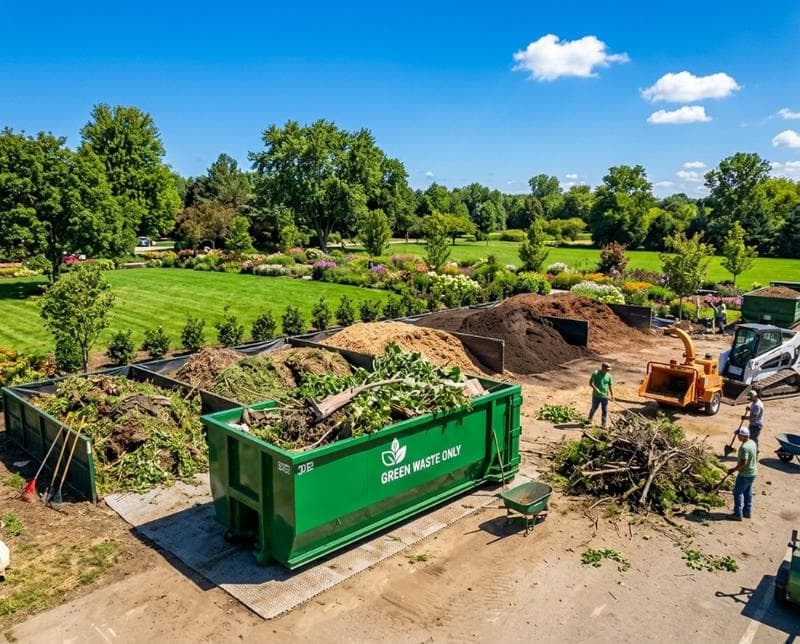
How Driver Apps Transform Waste Hauling Operations
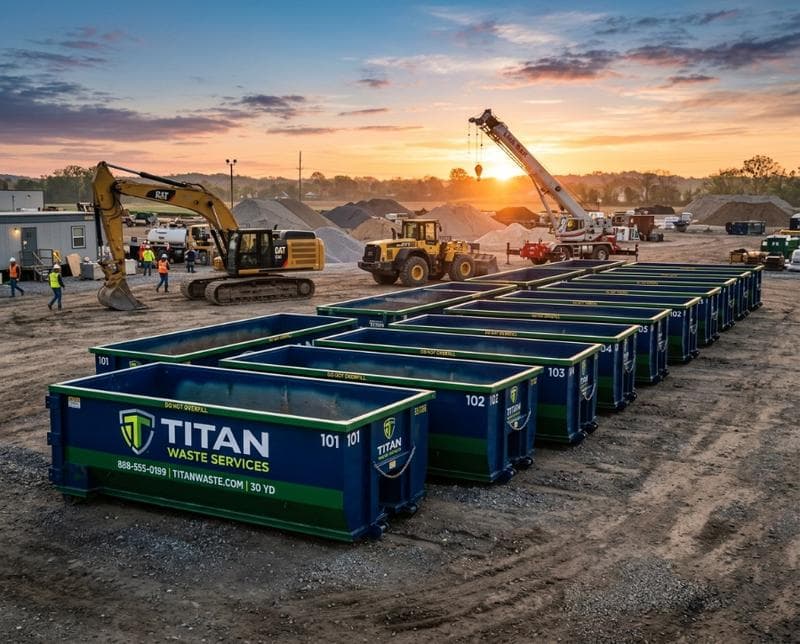
How a Dumpster Rental CRM Transforms Customer Retention & Revenue Growth