Waste Hauler Technology Trends Reshaping Operations in 2025-2026
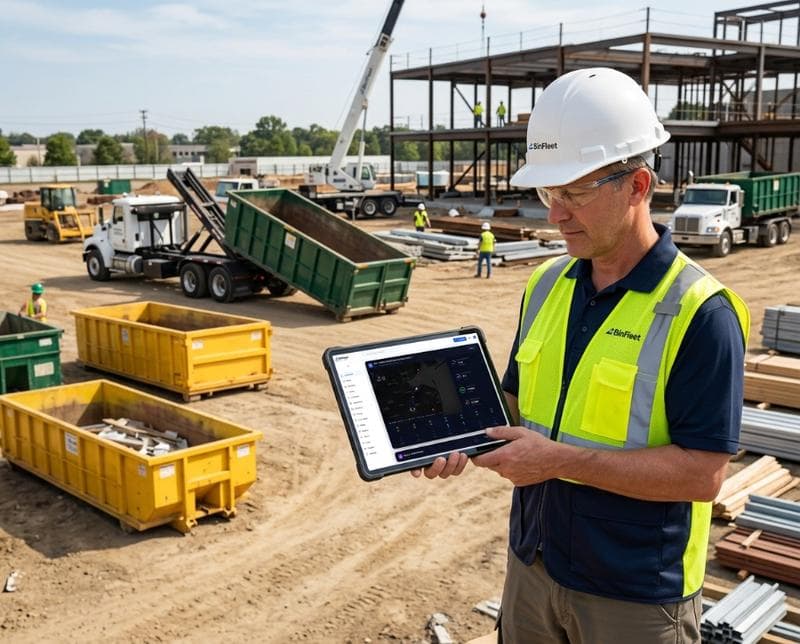
Route Optimization and Predictive Dispatch
Route optimization has moved beyond simple GPS mapping. Modern dispatch systems now use machine learning to predict customer demand, anticipate service requests, and dynamically adjust routes in real time. This matters because a single inefficient route can cost haulers thousands in fuel and labor annually. Predictive dispatch learns from historical pickup patterns, seasonal trends, and even weather data to send the right truck to the right customer before they call.
The competitive advantage goes to operators who embrace this shift early. Companies using AI-driven route planning report 15-25% reductions in fuel costs and faster response times that customers actually notice. Real-time adjustments mean when a new order comes in or a driver encounters traffic, the system reroutes automatically instead of creating manual bottlenecks. This efficiency gain compounds monthly and directly improves your profit margins without requiring additional capital investment.
IoT-Enabled Container and Inventory Tracking
IoT sensors on dumpsters are no longer a luxury feature—they're becoming table stakes. GPS-enabled containers let you know exactly where each bin is, when it was last serviced, and whether it's full before a customer calls with a problem. This real-time visibility eliminates the guesswork that has plagued waste hauling for decades. You can see if a container has moved, identify theft, and audit your fleet with precision that manual checks never achieved.
The operational benefits extend beyond theft prevention. When you know which containers are full and which are idle, you optimize pickup schedules and reduce unnecessary trips. Predictive maintenance becomes possible too—sensors can flag when a bin needs repair before it fails on a customer's site, protecting your reputation and preventing service interruptions. This visibility transforms your relationship with customers because you're solving problems they didn't even know to report.
Mobile-First Dispatch and Driver Apps
Drivers are no longer just following printed routes or outdated GPS coordinates. Modern driver apps provide real-time navigation, digital proof of service, photo documentation, and direct customer communication. This shift matters operationally because every interaction is now logged and auditable. Customers see ETAs before the truck arrives, drivers confirm completion with digital signatures, and dispatch managers get instant confirmation when a job is done.
This transparency reduces disputes and speeds up invoicing significantly. When a customer questions whether service was completed, you have GPS data, photos, timestamps, and digital proof all in one place. Drivers spend less time on administrative tasks and more time on pickups because they're not going back to the yard to file reports. The result is higher productivity per vehicle and the data layer that lets you run your operation with actual evidence instead of hearsay.
Payment Integration and Cash Flow Automation
Waste hauling has traditionally run on Net-30 or Net-60 invoicing, which strangles cash flow for growing companies. The trend toward integrated payment platforms means customers can pay at the point of service via mobile or automated billing. This shift addresses a fundamental pain point: accounts receivable management that requires constant follow-up and threatens profitability when customers delay payment.
Platforms that combine dispatch, invoicing, and payment processing eliminate payment friction and reduce days sales outstanding significantly. Customers who self-serve through mobile payment links pay faster, and automated recurring billing reduces manual collection efforts. For seasonal operations or cash-strapped customer bases, offering flexible payment options increases order volume because you're removing financial barriers to service.
Data Analytics and Business Intelligence
Raw operational data only matters if you can extract insights from it. The technology trend here is embedded analytics that show you profitability by route, customer, vehicle, and driver without needing a separate data scientist. Dashboards that display real-time KPIs let you see which service lines are actually profitable and where cost leaks exist. This visibility enables faster decision-making and removes the guesswork from operational planning.
Most waste haulers operate with incomplete information about their own business. You might know revenue, but not actual margins by service type or geography. Advanced platforms now provide this breakdown automatically, flagging underperforming routes and high-margin opportunities instantly. Armed with this data, you can negotiate better prices with fuel suppliers, eliminate unprofitable contracts, and focus sales efforts on service lines that actually matter to your bottom line.
Sustainability Tracking and Compliance
Regulatory pressure around waste disposal and environmental reporting is accelerating, and technology now makes compliance automated rather than reactive. Platforms track disposal methods, recycling rates, and environmental impact metrics automatically, then generate reports that satisfy auditors and regulatory bodies without manual compilation. This matters because non-compliance can trigger fines and damage customer relationships, especially as larger enterprises demand proof of sustainable waste handling from their vendors.
Sustainability technology also opens new revenue channels. Customers increasingly want documentation of their waste diversion rates and environmental impact. By providing this data transparently, you differentiate from competitors and can justify premium pricing for certified, tracked disposal. The software handles the documentation burden, so you're not adding overhead while capturing higher margins.
Frequently Asked Questions
What's the single biggest technology investment waste haulers should make in 2026?
Start with a unified dispatch and management platform that handles routing, customer communication, driver assignments, and proof of service. This single system eliminates data silos and gives you visibility into your entire operation immediately. Everything else builds from this foundation; without it, you're still manually coordinating pickups and chasing down information.
How long does it take to see ROI from new waste hauling technology?
Most operators see measurable improvements in fuel efficiency and customer satisfaction within 30-60 days of implementation. Financial ROI typically materializes within 90 days as fewer failed routes and faster billing cycles improve cash flow. Schedule a demo to see how quickly your operation could shift—we can show you projected savings based on your current performance.
Do I need to replace my entire system, or can new technology integrate with what I have?
Modern platforms are designed to integrate with existing systems rather than replace everything at once. You can start with core dispatch and gradually add payment processing, container tracking, and analytics without ripping out legacy investments. The key is choosing a partner who prioritizes integrations and has proven experience connecting to your existing infrastructure.
How do I convince drivers to use new technology if they resist change?
Drivers adopt technology when it makes their job easier, not harder. Apps that provide clear navigation, handle paperwork automatically, and give them real-time visibility into their schedule reduce frustration dramatically. Frame it as a tool that makes their day simpler and faster—most resistance comes from perception that tech adds burden, so demonstrate that it actually reduces it. Training and support during the first week matter more than the software itself.
For a deeper dive into how these technologies work in practice, check out our blog for case studies and implementation guides. If you're ready to explore how a modern platform would transform your operation, request a demo and we'll walk through your specific workflow to show concrete impact on your metrics.
Ready to Streamline Your Operation?
See how BinFleet AI helps waste haulers save time, cut costs, and grow.
Request a Free 30-Day TrialRelated Articles
Dumpster Route Optimization: How to Reduce Fuel Costs and Maximize Daily Stops
How to Master Seasonal Demand Swings in Dumpster Rental Operations
