Construction Dumpster Rental Best Practices for Contractors
Know Your Contractor's Project Timeline
Construction projects run on schedules measured in days and weeks, not months. A contractor who orders a dumpster for Monday morning delivery expects it on Monday morning—not Tuesday afternoon. Understanding the real urgency behind each request separates reliable haulers from the rest. When you dispatch quickly and track your containers accurately, contractors remember it. That reliability builds repeat business and referrals across an entire general contractor's network of subcontractors.
The best practice here is documenting project phases before delivery. Ask your dispatcher or customer service team to confirm with the contractor: when does demolition start, when does framing begin, and when will they need pickup? This intelligence lets you plan routes, allocate equipment, and set realistic delivery windows that actually stick. Platforms like BinFleet streamline this coordination by letting contractors see scheduled pickups and request changes in real time, reducing phone tag and missed appointments.
Right-Sizing Containers for Job Site Needs
Oversizing containers wastes your fuel and space in your yard. Undersizing them leads to overfilled bins, safety issues, contractor frustration, and repeat trips you shouldn't have to make. Construction debris is heavy and bulky—concrete, lumber, drywall, and metals mix unpredictably. A 20-yard seems reasonable for a kitchen remodel until the contractor pulls out exterior brick and suddenly you've got a 30-yard job. The real skill is asking the right questions: What type of work is happening? How many crews? Is asbestos-containing material present (which requires different handling)? Are they disposing of mixed debris or single-stream material?
Site visits before first delivery reduce guesswork dramatically. Walk the job, look at scope, and size accordingly. If your team doesn't have time for site visits, ask contractors detailed questions and trust their answers. Build a simple template contractors can complete when they call, noting square footage, project type, and expected debris volume. This takes two minutes but prevents oversizing errors that hurt your margins and customer relationships. Read more about optimizing container inventory management to learn how successful haulers balance fleet utilization with contractor satisfaction.
Set Clear Delivery and Pickup Windows
Vague delivery promises create chaos on construction sites. Contractors can't coordinate work if your driver shows up at 4 p.m. when they expected 8 a.m. and their crew is halfway through material loading. Setting and meeting specific windows—say, "Tuesday, 10 a.m. to 12 p.m."—demonstrates professionalism and protects both parties. Communicate these windows in writing via text or email, not just a phone call. When it's documented, there's no dispute if something goes wrong. Contractors appreciate certainty because it lets them plan labor, equipment rentals, and crew schedules around your service.
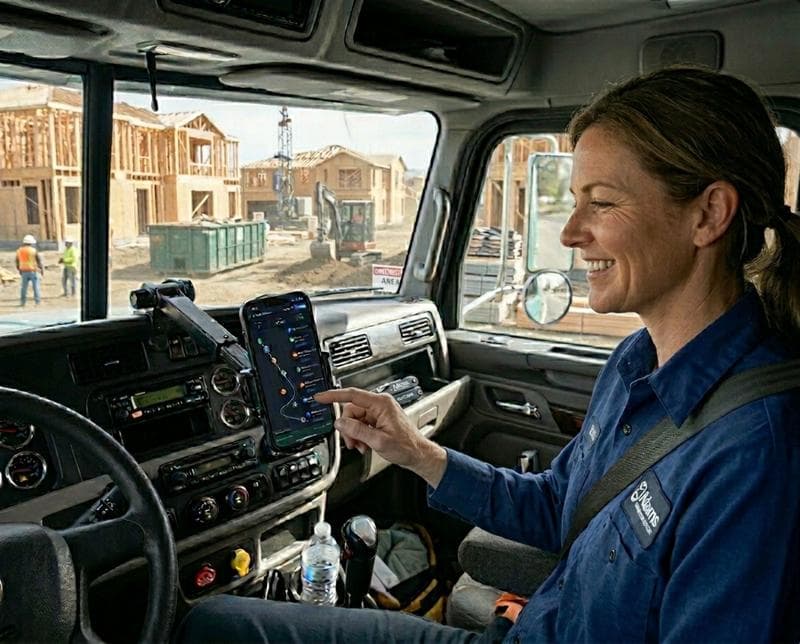
Real-time GPS tracking and SMS notifications solve this problem at scale. When your driver is 15 minutes out, a text alert lets the contractor prepare. If weather or traffic delays a route, you notify early rather than disappearing for three hours. This level of transparency builds trust. Contractors working on tight schedules talk to other contractors—if you're reliable, they recommend you; if you're flaky, they tell everyone. Invest in dispatch systems that let you send live updates automatically so your team isn't manually texting 20 stops per day.
Handle Hazardous Materials Responsibly
Construction sites contain unexpected hazardous materials: old paint, solvents, asbestos tiles, roofing materials, and more. Contractors often don't know what they have or assume it's fine to throw in the dumpster. As a professional hauler, you need clear policies and contractor education. Before delivery, provide a simple handout or digital guide listing prohibited items. When you pull up to a site and spot red flags—say, a drum of unknown liquid or old roofing shingles—stop the load and contact the contractor. It takes five minutes now to prevent a major EPA issue later.
Train your drivers to inspect before pickup. They're your eyes on site and can spot problems your office never will. If something looks questionable, photograph it, document it, and communicate with the contractor before you haul it away. This protects your liability insurance and your business reputation. Many small haulers skip this step and absorb fines or disposal costs that crush margins. Building a reputation as someone who hauls responsibly—not just cheaply—attracts better contractor clients who value compliance and aren't constantly trying to sneak prohibited waste into your bins.
Optimize Delivery and Pickup Sequencing
Construction sites spread across your service area don't follow logical map patterns. A contractor in the north might need pickup Monday, while another contractor south needs delivery Tuesday and pickup Wednesday. Poor route planning means extra mileage, extra fuel, and drivers finishing at 8 p.m. when they should be off by 5. Smart sequencing pulls adjacent jobs together, batches deliveries on the same day, and sequences pickups to maximize truck capacity. If you can cluster three deliveries in one neighborhood, you save 30 minutes of drive time and multiple gallons of fuel per week.
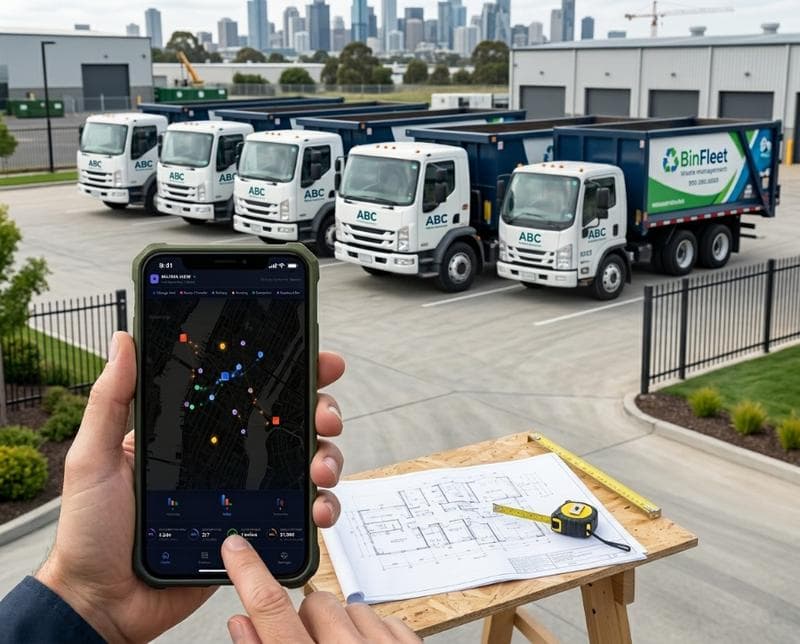
Dispatch software with route optimization handles this automatically. Instead of your dispatcher manually building routes by phone, the system visualizes all scheduled jobs and suggests efficient sequences. You input job locations, service types (delivery, pickup, exchange), and vehicle capacity, and the software recommends the best order. Over time, this saves hundreds of hours of planning time and significantly cuts fuel costs. See how BinFleet's dispatch tools help construction-focused haulers streamline operations and reduce per-stop costs while improving on-time performance.
Build Contractor Relationships and Repeat Revenue
One-off dumpster rentals pay bills. Long-term contractor relationships build your business. A general contractor managing five active projects might need five dumpsters rotating through phases over six months. If you nail every delivery, every pickup, and every communication, that contractor becomes a standing customer who calls you first for new projects. Building this relationship means understanding their seasonal patterns, their preferred container sizes, their budget constraints, and their communication style. Some contractors want a call before every pickup; others prefer automated SMS. Adapt to their preference.
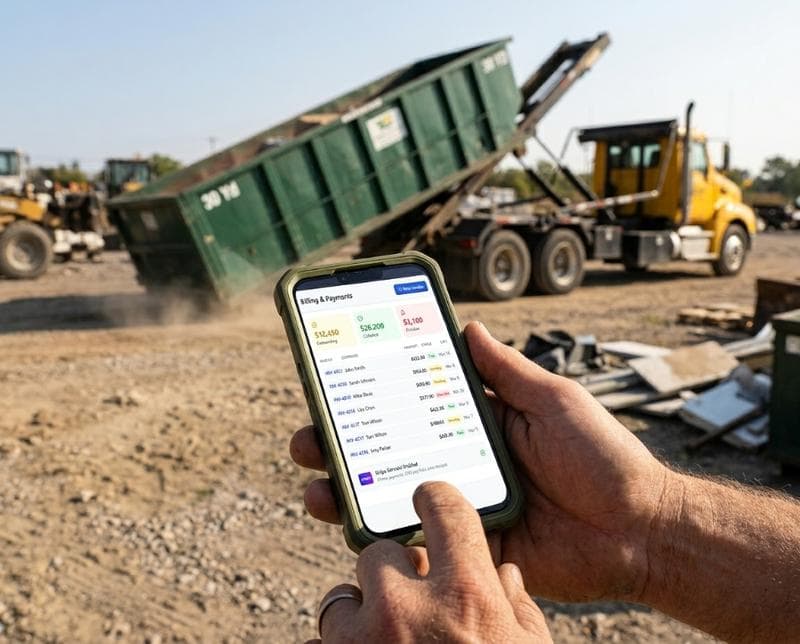
Track contractor metrics in your system: how often do they book, what container mix do they prefer, what's their average project duration, do they pay on time? Use this data to offer proactive service. If they always need a 20-yard and a 10-yard for remodels, mention a bundled rate when they call. If their project ends next week, call them Wednesday offering early pickup at a small discount rather than letting them hold the bin an extra week. These small touches show attentiveness and keep them loyal even when competitors undercut your price.
Frequently Asked Questions
How far in advance should contractors schedule dumpsters?
Ideally, one to two weeks gives you time to confirm availability and schedule routing. However, real construction often requires shorter lead times—even next-day delivery for urgent debris cleanup. The key is having enough fleet flexibility to accommodate both planners and last-minute requests without compromising service to existing jobs.
What's the typical lifespan of a dumpster container?
Quality steel containers last 8–12 years with regular maintenance. Construction sites are tough on bins due to heavy loading, weather exposure, and occasional misuse. Inspect containers monthly for structural damage, rust, or dents that could evolve into bigger problems. Preventive maintenance costs far less than replacing a failed bin mid-project.
Should we charge contractors extra for hazardous material removal?
Absolutely, but be transparent about it upfront. Include hazmat surcharges clearly in your quote, and educate contractors on what qualifies. This prevents surprise charges and positions you as a professional operator who follows regulations rather than a low-cost operator cutting corners.
How do we prevent contractors from overfilling dumpsters?
Clear communication and consistent enforcement work. Include weight and fill-line limits in your rental agreement and remind crews during delivery. If a bin arrives overfilled, charge an overfill fee or refuse to haul it until it meets specifications. Consistency sends the message that safety and compliance matter, and contractors will respect the boundary over time.
Ready to streamline construction dumpster operations? Schedule a free demo of BinFleet to see how dispatch automation, real-time tracking, and contractor communication tools can improve your service reliability and grow your construction segment. Learn how haulers like you are cutting delivery costs, reducing missed appointments, and building stronger contractor relationships with smarter operations software.
Ready to Streamline Your Operation?
See how BinFleet AI helps waste haulers save time, cut costs, and grow.
Request a Free 30-Day Trial