Construction Dumpster Rental Best Practices: A Guide for Waste Haulers
Understanding Construction Project Timelines and Dumpster Needs
Construction projects rarely follow a linear waste generation pattern. A typical commercial build produces minimal debris during framing, then explodes into heavy volume during demolition and finishing phases. Understanding when your contractors actually need dumpsters—not just when they assume they do—is the difference between satisfied clients and emergency after-hours calls. Most contractors estimate dumpster needs based on gut feeling rather than square footage or phase breakdown, which means your sales team needs to ask the right questions upfront: What's being demolished? What's the project timeline? How many trades will be on-site simultaneously?
The best waste haulers treat the pre-rental conversation as a planning session, not a sales pitch. Ask contractors about their subcontractor workflow, material sourcing schedules, and site access constraints. A renovation company working in a downtown urban environment needs different pickup cadences than a suburban new-build developer. By mapping the construction calendar to debris phases, you can recommend the right container sizes, placement strategies, and swap frequencies—which increases your revenue per project and reduces customer complaints about overfilled bins or missed pickups.
Right-Sizing Containers for Different Construction Phases
Container sizing mistakes cost haulers money and damage contractor relationships. A 10-yard dumpster works for light interior demolition, but you'll lose money if it fills in three days and the customer demands daily pickups at your standard rates. Conversely, placing a 40-yard roll-off at a small renovation job looks wasteful and erodes your credibility. The key is matching container capacity to debris type and project duration. Heavy materials like concrete and brick demand fewer cubic yards than dry wall and framing waste. A contractor demolishing a bathroom needs 10–15 yards; stripping an entire commercial floor needs 30–40 yards.
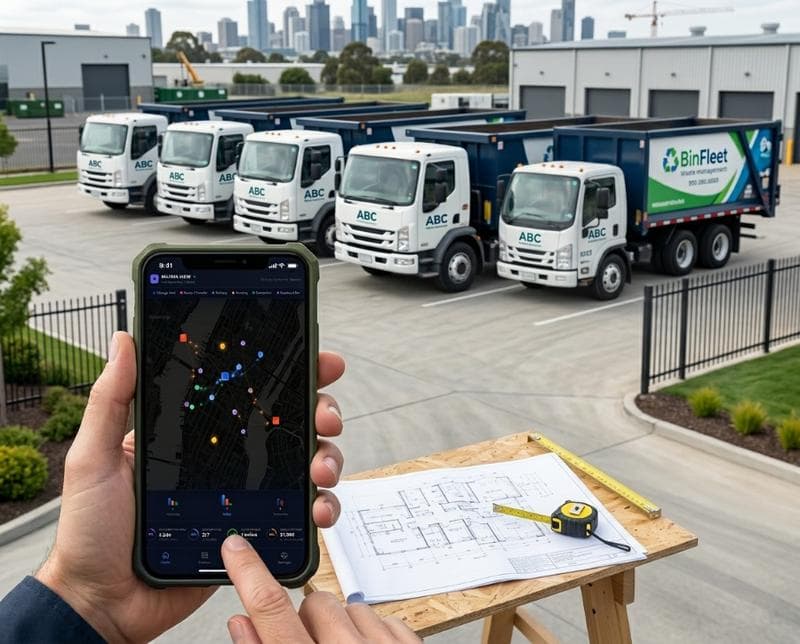
Build a sizing framework that accounts for material density and project scope. Train your sales team to ask whether debris is mixed construction waste or single-stream material like concrete or metal—this distinction changes your container recommendation significantly. Using BinFleet's inventory management tools lets you track which container sizes perform best on different job types, so over time your team develops data-driven sizing accuracy rather than relying on contractor guesses. This approach improves customer satisfaction, reduces surprise overage fees, and helps you allocate containers more efficiently across your fleet.
Compliance, Safety, and Site-Specific Requirements
Construction sites operate under strict regulations, and your dumpster placement affects project timelines and safety. OSHA and local building codes dictate where containers can sit, how high debris can be stacked, and whether liners are required for hazardous materials. Many haulers lose contracts because they deliver a dumpster to the wrong location or fail to account for site layout constraints. Before deployment, confirm street access, overhead clearances, ground load capacity, and parking restrictions with the general contractor or site manager. A 40-yard roll-off needs 35 feet of clear space; placing it across a fire lane or blocking equipment movement gets you removed from the job.
Material restrictions matter too. Asbestos, lead paint, treated wood, and contaminated soil cannot go in standard construction dumpsters and require special handling or disposal permits. Ask contractors directly whether they anticipate hazardous materials—don't assume. Most legitimate commercial GCs know and will disclose these, but residential contractors and small builders sometimes don't think to mention it until pickup day. Educating customers about material restrictions upfront prevents costly returns, regulatory headaches, and safety violations. Document these conversations in your dispatch and order management system so your drivers know what they're picking up and your office can flag non-compliant loads before they reach the landfill.
Scheduling, Pickup Frequency, and Seasonal Demand
Construction waste generation peaks during specific phases, and rigid pickup schedules leave money on the table. A framing crew generates steady debris throughout their phase, but once they finish and excavation crews start, volume spikes unpredictably. The best waste haulers offer flexible swap schedules rather than forcing weekly pickups on a project that only needs three pickups total. This flexibility increases your close rate with contractors who've been burned by one-size-fits-all rental companies. Many dumpster operators now offer per-pickup pricing or tiered frequency options, which appeals to budget-conscious GCs managing multiple job sites simultaneously.
Seasonal construction demand creates allocation challenges. Spring and fall see surges in commercial and residential construction, which means your fleet is stretched thin and competitors are aggressive on pricing. Rather than dropping rates, position yourself as the operator who guarantees on-time delivery and reliable swaps—two things contractors value more than a five-percent discount. Implement a priority booking system during peak season so repeat customers get priority slots, and communicate delays transparently via SMS updates. This builds loyalty and gives contractors confidence in your reliability, which directly supports retention and higher margins through repeat business.
Maximizing Revenue Through Material Separation and Recycling
Construction debris is gold if sorted correctly. Scrap metal, clean wood, cardboard, and non-hazardous masonry have resale value at recycling facilities, which means your hauling margin improves if you separate materials instead of dumping mixed loads. Many contractors want to recycle but lack on-site space or sorting infrastructure, so offering multi-bin setups—one for scrap metal, one for wood, one for mixed waste—creates a premium service tier that commands higher rental rates. This approach also reduces your landfill disposal costs by 20–40%, depending on your local recycling market and material mix.
Position material separation as a sustainability differentiator when selling to GCs and developers who track carbon footprint or ESG commitments. Larger contractors now bid jobs based partly on environmental performance, and your ability to certify high diversion rates (waste sent to recycling instead of landfill) becomes a competitive advantage. Market this clearly in your sales conversations and track diversion rates by material type so you can demonstrate impact to environmentally-focused customers. The combination of lower disposal costs and premium pricing for separated-material services compounds your profitability per job and supports customer retention among environmentally-conscious firms.
Using Technology to Streamline Construction Dumpster Operations
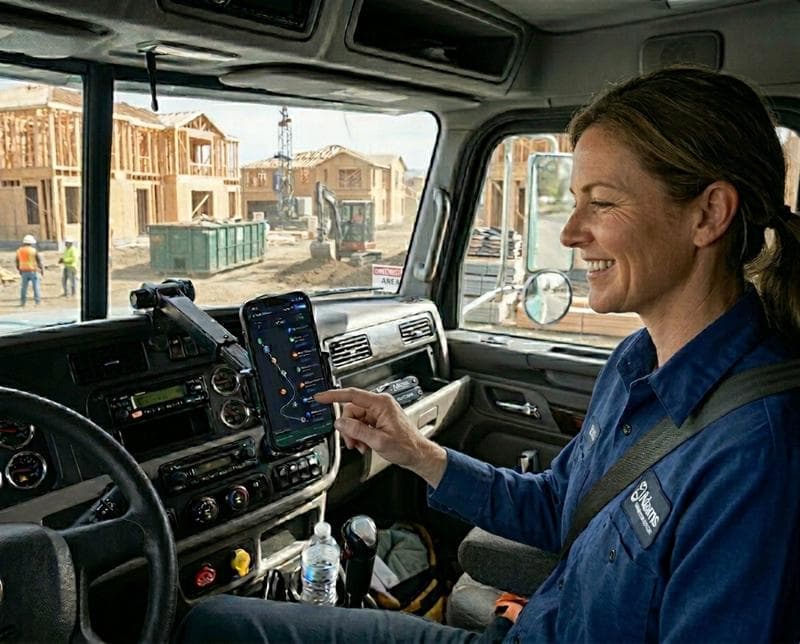
Construction contractors are deadline-driven and detail-oriented, which means they expect real-time visibility into dumpster delivery and pickup status. SMS order confirmations, delivery photos, and pickup notifications reduce phone calls and complaints dramatically. Contractors who can verify that their dumpster arrived at the right time and place feel more confident booking future projects with you. Dispatch software that integrates with your CRM lets your sales team see which contractors are repeat customers, what container sizes they typically rent, and when their seasonal peaks occur—this intelligence supports proactive outreach and better pricing strategies.
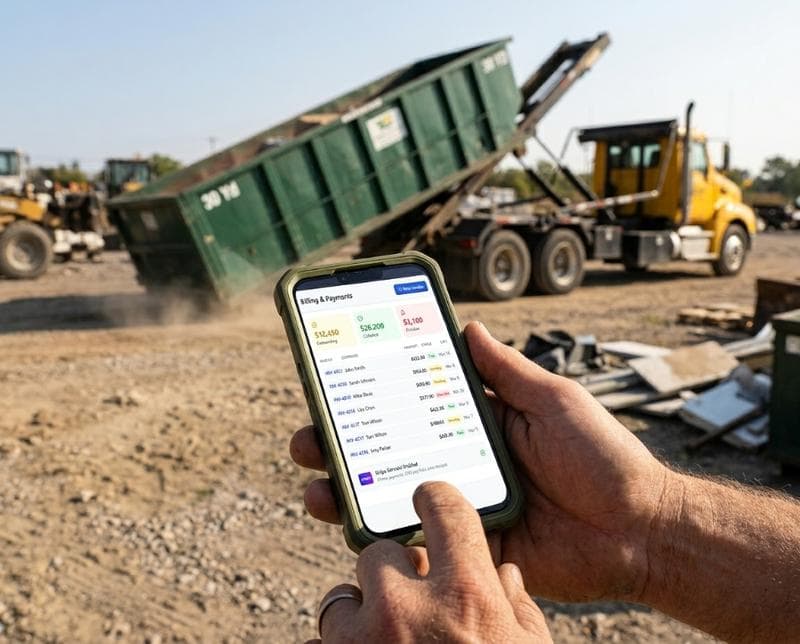
Route optimization is especially valuable in construction waste because job sites are geographically scattered and pickups often happen on short notice. Read our dispatch optimization guide to learn how smarter routing reduces fuel costs and speeds up service. Technology also supports accurate billing and customer communication; contractors hate surprise fees, so transparent invoicing tied to specific pickups and material weights builds trust. Implementing these tools positions you as a modern, professional operator—a perception that matters when GCs are evaluating vendors for multi-project partnerships or long-term relationships.
Building Long-Term Contractor Relationships and Recurring Revenue
One-off dumpster rentals generate revenue, but recurring contractor relationships generate stability. General contractors manage multiple projects simultaneously throughout the year, and if you can become their trusted waste vendor, you capture consistent volume across all their jobs. This loyalty starts with reliability: deliver on time, pick up when promised, provide accurate invoices, and respond quickly to requests. These fundamentals sound basic, but most contractors have horror stories about haulers who missed pickups, overcharged them, or delivered to the wrong location. Being the reliable vendor positions you for contract proposals and volume discounts that keep customers from shopping around.
Develop a contractor account program that offers tiered pricing for volume commitments and streamlines the rental process. If a GC can submit a dumpster request through your portal rather than calling, with guaranteed same-day or next-day delivery, they'll route more jobs to you automatically. Consider offering project-based pricing—a flat rate for the full dumpster rental lifecycle across a demolition, renovation, or build project—rather than charging per pickup. This approach feels more transparent to contractors and creates predictable revenue for you. Nurture these relationships with quarterly check-ins, performance reports showing your diversion rates and service metrics, and occasional courtesy inspections to ensure your containers are in top condition on their sites.
FAQ: Construction Dumpster Rental Questions
How do I know what size dumpster a construction project needs?
Start by asking the contractor what phase of work is happening, what materials will be disposed, and how long the project will run. A 10-yard open-top works for light demolition and interior renovation; a 20-yard compactor handles drywall and framing waste efficiently; and 30–40-yard roll-offs suit major demolition or site clearance. When in doubt, recommend a smaller container with flexible swaps—it's easier to upgrade mid-project than to pay for an oversized bin you don't need.
What materials can't go in a standard construction dumpster?
Asbestos, lead-based paint, contaminated soil, hazardous chemicals, medical waste, and certain treated wood require special handling and separate disposal permits. Always ask contractors directly about these materials before placing your dumpster. If they're unsure, educate them on what's prohibited—most appreciate the guidance and will plan accordingly rather than creating compliance problems on your end.
How can I compete with larger dumpster rental companies on construction jobs?
Focus on reliability, flexibility, and personalized service. Larger companies have rigid policies and slow response times; you can offer faster pickup scheduling, real-time SMS updates, and project-specific pricing that reflects the actual value you're delivering. Build relationships with local GCs and subcontractors by becoming the vendor they trust to solve problems rather than create them.
Should I offer material separation and recycling for construction waste?
Yes, if your local market has active recycling facilities and competitive pricing for scrap materials. Separating metal, wood, and masonry reduces your landfill costs and lets you market environmental benefits to contractors who track sustainability metrics. It's a competitive differentiator that supports both higher margins and customer retention among environmentally-conscious firms.
Ready to Streamline Your Operation?
See how BinFleet AI helps waste haulers save time, cut costs, and grow.
Request a Free 30-Day Trial