How Dumpster Dispatch Software Eliminates Manual Scheduling Errors
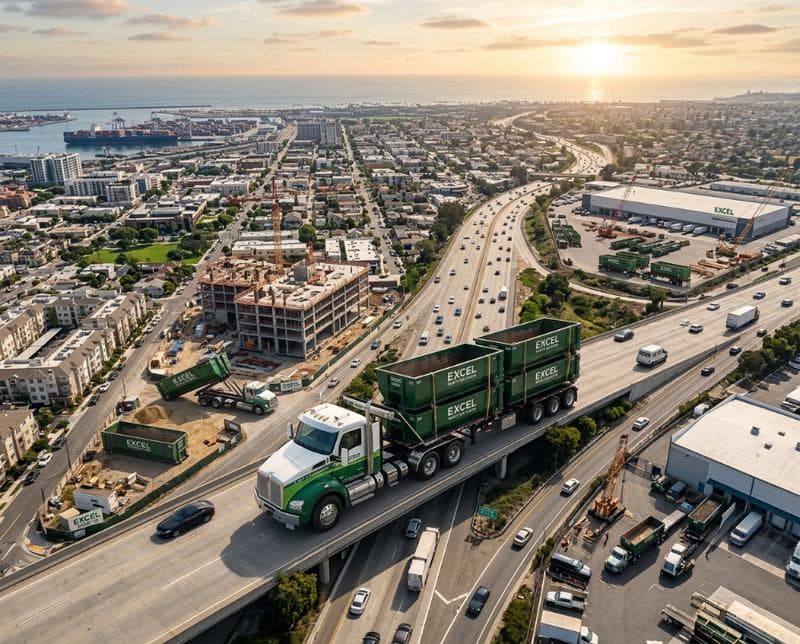
The Hidden Cost of Manual Dumpster Scheduling
Most mid-size dumpster rental companies still rely on spreadsheets, text messages, and phone calls to manage pickups and deliveries. Dispatchers spend hours each morning manually assigning jobs to drivers, calculating routes on paper or using free mapping tools, and handling last-minute changes. This workflow isn't just slow—it's a financial leak. Misrouted trucks burn extra fuel, drivers sit idle waiting for instructions, and missed or double-booked pickups damage customer relationships and trigger service failure disputes.
The real problem isn't the people; it's the system. When scheduling happens outside a connected platform, information lives in silos. A driver doesn't see a last-minute rush delivery until they're already two miles away. A customer cancels a pickup, but the message only reaches dispatch thirty minutes before the scheduled time. Dispatchers have no visibility into driver location, container status, or yard inventory until someone calls in. Each of these gaps creates delay, rework, and margin erosion.
How Dispatch Software Centralizes Your Operation
Dumpster dispatch software consolidates all scheduling, routing, and communication into a single source of truth. When a customer books a delivery or requests a pickup, the order enters the system immediately. Dispatchers assign jobs in real time based on driver location, vehicle capacity, and load history. The driver receives a notification with the pickup address, container size, special instructions, and turn-by-turn route—all in one app. Customers get automatic SMS updates about arrival times, and payment happens at the curb via the same platform.
This unified workflow cuts out the friction that exists between email confirmations, phone tag, and paper records. Changes cascade through the system instantly. If a driver finishes a job early and the next pickup is nearby, dispatch can reassign him within seconds, not hours. If a customer extends a rental by one day, the system notifies the driver on the next scheduled pickup, so no confusion occurs. Inventory tracking becomes automatic too—when a container is dropped or picked up, it's logged in the system, so yard staff knows exactly what's in the field and what needs maintenance or repair.
Real Operational Gains: Time, Accuracy, and Driver Satisfaction
Companies that shift from manual dispatch to automated scheduling typically report 20-30% reductions in operational costs within the first six months. This doesn't come from magic—it comes from fewer repeat trips, optimized routes that reduce fuel burn, and drivers who spend less time waiting for instructions. A driver who receives a clear route and job sequence can complete more stops per day. A dispatcher who doesn't spend two hours daily on phone calls can focus on customer service or growth initiatives instead. The time savings alone justify the software investment for any company running more than fifteen trucks.
Accuracy improvements are equally dramatic. Automated dispatch eliminates double-booking, missed pickups, and address errors. When a driver submits a photo or weight reading at a job site, it's timestamped and stored in the system—no more disputes about what happened on a particular date. Customer communication becomes consistent too. Instead of drivers improvising when they're running late, every customer gets an automatic SMS five minutes before arrival. These consistency and reliability gains build customer loyalty and reduce churn, which is often worth more than the direct operational savings.
Choosing the Right Dispatch Platform for Your Fleet
Not all dispatch software is created equal, especially for dumpster and waste hauling operations. Generic logistics platforms built for pizza delivery or rideshare don't understand container tracking, weight-based billing, or the unique challenges of roll-off hauling. You need a platform designed specifically for dumpster rental and waste management. It should handle multi-day rentals, volume-based pricing, driver proof of delivery, and yard inventory management without forcing you into workarounds. The platform should also integrate with your existing accounting software so billing happens automatically once a job is complete.
Beyond features, evaluate how the software handles real-world scenarios your team faces daily. Does it allow you to reassign multiple jobs at once if a driver calls in sick? Can dispatchers create custom routes for specific customer needs, or does the algorithm force you into one-size-fits-all suggestions? Does the mobile app work offline, since drivers sometimes operate in areas with spotty cell coverage? Platforms like BinFleet are purpose-built for waste haulers and include route optimization, SMS notifications, real-time GPS tracking, and integrated invoicing. The best way to evaluate whether a platform fits your operation is to see it in action—request a demo with a vendor and ask specific questions about the workflows your team struggles with today.
Implementation: Making the Transition Smooth
Rolling out new dispatch software doesn't require a company-wide shutdown or weeks of training. Most modern platforms offer phased implementations where you start with one shift or one service area, measure results, and expand once your team is comfortable. During the transition period, dispatchers learn the new system while still having access to their old methods as a safety net. Within two to three weeks, most teams are operating entirely within the new platform. The learning curve is surprisingly shallow because the software mirrors familiar dispatch logic—it just does it faster and more accurately.
Success depends heavily on driver adoption. Drivers who understand why the software exists and how it makes their job easier will embrace it. They'll use it to check upcoming jobs, confirm arrivals, and upload proof of completion. Companies that position the platform as a tool to reduce their own admin work and give them clearer instructions see faster adoption than those that frame it as surveillance. Providing hands-on training for drivers, making the mobile app intuitive, and responding quickly to early feedback builds momentum and prevents frustration from derailing the rollout.
Measuring ROI: What Metrics Matter
To justify dispatch software to your leadership or board, track specific metrics before and after implementation. Start with operational efficiency: average jobs completed per driver per day, total route miles per day, and fuel cost per pickup. Then measure customer impact: on-time delivery rate, customer complaint tickets, and invoice accuracy. Finally, track financial outcomes: gross margin per job, customer retention rate, and total cost of operations as a percentage of revenue. Most waste haulers see improvements in all three categories within ninety days of going live.
The payback period is typically four to six months for companies with fleets of twenty or more trucks. For smaller operations, the main ROI often isn't revenue—it's peace of mind and headspace. A dispatcher who spends two hours daily on manual scheduling can redirect that time to customer retention, sales support, or optimizing service areas. A driver who doesn't waste an hour per day waiting for instructions becomes happier and more productive. When you add up reduced fuel costs, fewer missed pickups, better customer retention, and freed-up staff time, the business case is hard to argue against. If you're curious how dispatch software would impact your specific operation, read more about waste hauling operations or explore how companies like yours are already using automation to scale.
Frequently Asked Questions
Will dispatch software eliminate my dispatcher's job?
No. Software automates scheduling and routing, but doesn't replace human judgment. Dispatchers still manage exceptions, handle customer issues, troubleshoot equipment problems, and make decisions about crew assignments. What changes is that they spend less time on manual data entry and more time on strategy, customer service, and team leadership. Many companies that implement dispatch software end up growing faster and using dispatchers in higher-value roles.
What if my drivers aren't tech-savvy?
Modern dispatch platforms are built with simplicity in mind. The driver app typically has three main screens: upcoming jobs, active job details, and proof of completion. Most drivers learn the basics in under an hour. Platforms designed for waste hauling, like BinFleet, prioritize ease of use because they know drivers need it to work fast and reliably in the field. Ongoing support and a responsive help desk address issues quickly.
Can dispatch software handle special requests or complex service areas?
Yes, good dispatch software is flexible. You can set custom rules for specific routes, time windows for certain customers, or constraints like no pickups before 7 AM. The system then suggests optimal routes within those parameters. Dispatchers can always override automated suggestions to accommodate one-off requests or local knowledge. The key is that the software provides a smart baseline that your team can adjust, rather than forcing you to build everything from scratch.
How long does implementation take, and will it disrupt service?
Most implementations take two to four weeks. You can run the new system and old system in parallel during the transition, so service continues uninterrupted. Your vendor should provide training, data migration support, and dedicated onboarding to minimize disruption. The best platforms are designed for phased rollouts so you can build confidence before going all-in across your entire fleet.
Ready to Streamline Your Operation?
See how BinFleet AI helps waste haulers save time, cut costs, and grow.
Request a Free 30-Day TrialRelated Articles
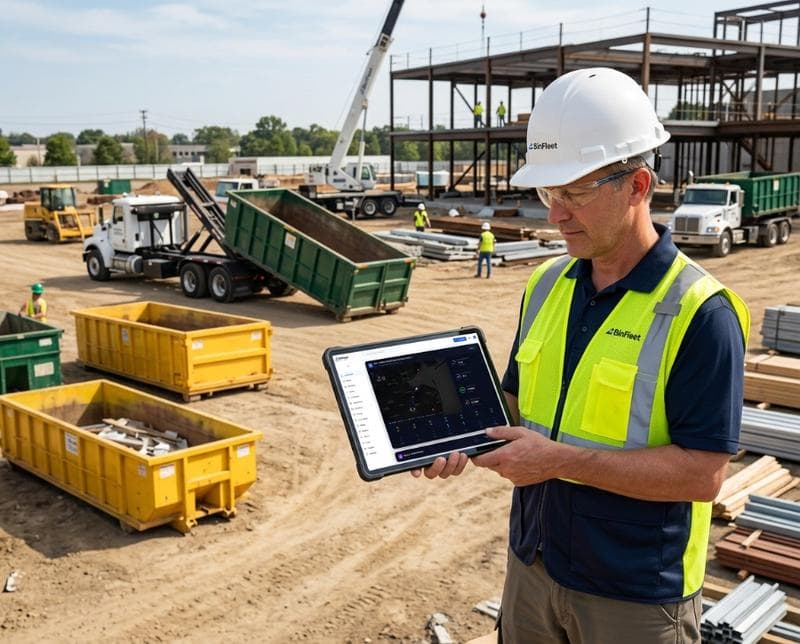
How Waste Haulers Cut Fuel Costs by 15-25%: Real Strategies That Work
How to Start a Dumpster Rental Business: The Complete Operator's Guide
