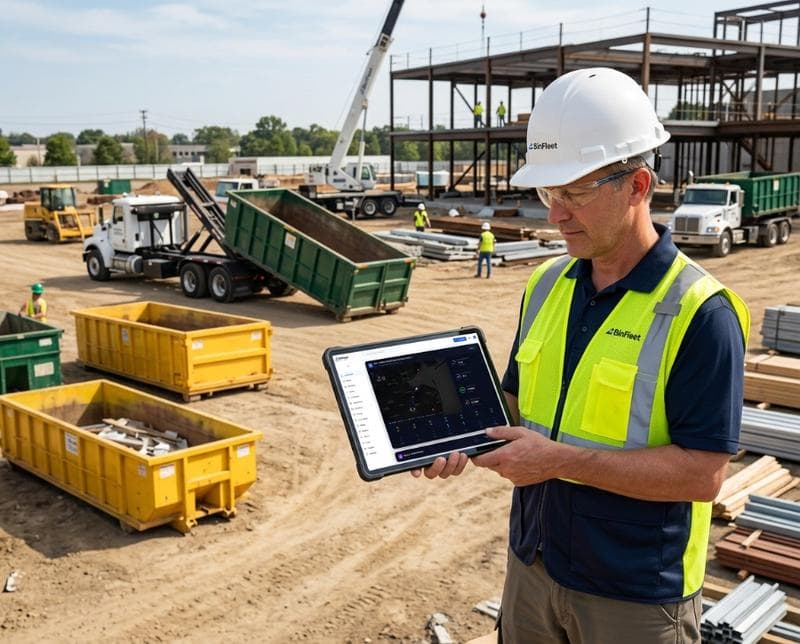
How Dumpster Dispatch Software Replaces Manual Scheduling and Cuts Errors in Half
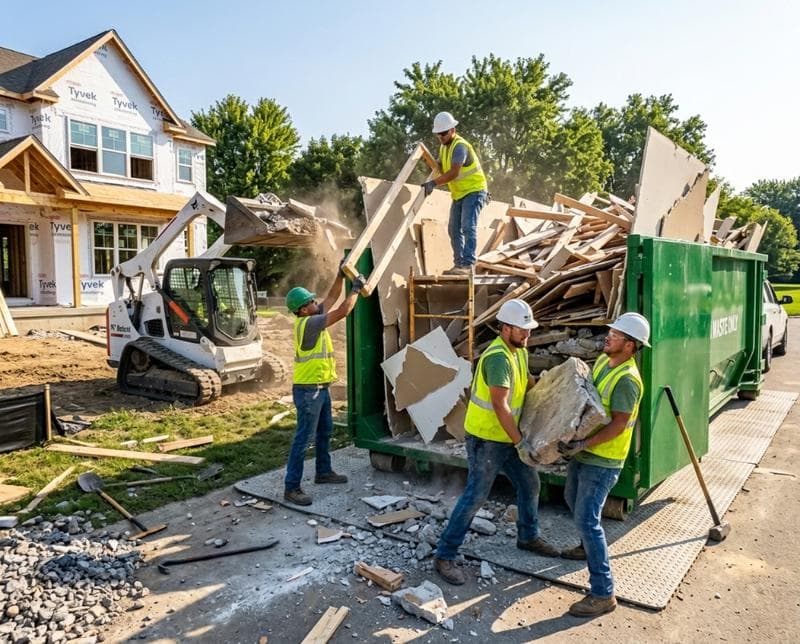
The Hidden Cost of Manual Dumpster Scheduling
Most dumpster rental companies still rely on spreadsheets, phone calls, and handwritten notes to assign routes. A dispatcher receives a pickup request, checks a paper map or Excel file, calls a driver to confirm availability, and hopes the job actually gets done. When a driver cancels last minute or a container gets forgotten, there's no automated fallback—just chaos and a customer complaint waiting to happen. Over a month, these small failures compound: missed appointments damage your reputation, customers churn, and your team spends hours firefighting instead of growing the business.
The math is brutal. A single missed pickup costs you the service fee, a refund, and the damage to customer lifetime value. If your team manually schedules 50 jobs per day across multiple yards and drivers, you're looking at hundreds of decision points where human error creeps in. Drivers get routed inefficiently, containers sit in the wrong location, and dispatchers burn out managing spreadsheet updates and phone tag. What should take minutes balloons into hours of administrative overhead that doesn't scale as your business grows.
How Dispatch Software Automates Route Assignment
Dumpster dispatch software replaces guesswork with intelligence. When a customer books a pickup online or calls in an order, the system instantly evaluates available drivers, vehicle capacity, current routes, and proximity to the job location. Instead of a dispatcher manually checking five spreadsheets and making a phone call, the software assigns the job in seconds to the driver most likely to complete it on time and within budget. The driver receives the assignment through a mobile app, can confirm availability immediately, and customers get automated SMS updates about their pickup window.
Real-time visibility means no more surprises. Dispatchers can see every driver's location, current load, and schedule on a single dashboard. If a job is running late, the system flags it and suggests reassignments before a customer is left waiting. If a driver calls out sick, the software identifies which pending jobs are affected and recommends the next-best option within seconds. This automation doesn't replace your dispatcher—it makes them exponentially more effective by eliminating the time spent on routine coordination and freeing them to solve actual problems.
Eliminating Human Error in Job Tracking
Paper-based or loosely tracked systems create blind spots where jobs fall through the cracks. A dispatcher forgets to update the route sheet. A driver completes a job but doesn't report it. A customer calls to confirm, and no one has a record of the assignment. With dispatch software, every action is logged automatically. When a driver marks a job complete in the mobile app, the system updates inventory, triggers customer notifications, records the timestamp, and flags any discrepancies in real time. There's no room for jobs to be forgotten because the software tracks them from creation to completion.
Audit trails become your protection. If a customer disputes whether a pickup happened, you have timestamped proof: who was assigned, when they arrived, when the job was completed, and photographic evidence if drivers use integrated photo capture. This accountability reduces false claims and provides documentation for customer service disputes. Your team spends less time on reconciliation calls and more time on operations. Data quality also improves compliance reporting, making tax season and regulatory reviews straightforward instead of scrambling through fragmented records.
Scaling Without Adding Dispatchers
Growing a dumpster rental company traditionally meant hiring another dispatcher every time you added a yard or increased service area. But dispatch software scales horizontally—one dispatcher can now manage 100+ daily jobs instead of 40 because the system handles routing logic, availability matching, and tracking. You're not replacing the dispatcher; you're multiplying their capacity by removing repetitive tasks. This means you can add a new service territory or launch a new revenue stream (like commercial waste or recycling) without proportional headcount growth.
The operational leverage is significant. Software costs per job decrease as volume increases, while manual scheduling costs stay flat or grow. A system like BinFleet pays for itself in the first month through reduced overtime, fewer customer refunds, and improved driver utilization. Owners who scaled with software instead of hiring report 25-40% higher revenue per dispatcher and measurably better customer satisfaction because jobs consistently ship on time.
Real-Time Communication Reduces Miscommunication
Manual scheduling thrives on miscommunication because information moves through phone calls and texts instead of a central system. A customer calls for a rush pickup, the dispatcher tells a driver verbally, but the job never appears in the system. Days later, it shows up in an email thread no one checked. Dispatch software creates a single source of truth: all job details, instructions, container sizes, billing info, and special requests live in one place accessible to every relevant team member. When information changes—a customer reschedules or adds a job—the update flows to everyone at once, eliminating confusion.
Customers also benefit from automated transparency. They receive SMS or email confirmations immediately after booking, receive driver ETA updates as the truck approaches, and get post-pickup notifications with photos. This consistent communication reduces support tickets because customers know their job is tracked and happening on schedule. Your team stops fielding "where's my driver?" calls because customers already know via automated updates. The result is a better customer experience, fewer support costs, and higher Net Promoter Scores—all from replacing scattered communication with structured workflows.
Choosing the Right Dispatch Software for Your Business
Not all dispatch solutions are built for waste and dumpster operations. Generic routing software designed for pizza delivery or plumbing services won't account for the unique constraints of container management: pickup sequencing, inventory tracking, multi-yard coordination, or weight-restricted routes. You need software built specifically for dumpster rental and waste hauling, with features like container location mapping, tarp and strapping workflows, and billing integration so jobs automatically populate invoices. Seeing a live demo from a purpose-built platform shows exactly how your team would use it day-to-day.
Start with a short evaluation period. Most solid dispatch platforms offer free trials so you can import your current routes, test assignments, and measure the time savings your team experiences in real conditions. Pay attention to mobile app usability—if drivers don't use it smoothly, your data quality suffers. Ask the vendor about implementation support, training, and ongoing success management. The best software isn't the flashiest; it's the one your team will actually use consistently, which means it needs to match your workflows and integrate with tools you already rely on.
FAQ: Dispatch Software for Dumpster Operators
Will dispatch software replace my dispatcher?
No. It will make them significantly more effective. Your dispatcher shifts from manual data entry and phone coordination to exception management—handling complex jobs, customer escalations, and strategic decisions. A good dispatch system frees your dispatcher to focus on the work only they can do: relationship building and problem-solving.
How quickly can we implement and start seeing results?
Most dumpster companies see measurable improvements within 2-4 weeks of going live. Initial gains come from reduced overtime and fewer missed jobs. Within 90 days, you'll have cleaner data, better insights into utilization, and the ability to scale without additional headcount. Full optimization takes 3-6 months as your team and workflows mature with the system.
What if we have multiple yards and different service areas?
Multi-yard dispatch software is specifically designed for this. You can assign drivers by yard, set geofences around service territories, and view all operations on one dashboard while maintaining separate billing and inventory per location. This is critical for growing operators who are opening new facilities or consolidating multiple acquisitions.
Does dispatch software integrate with our current tools?
It should. Look for platforms that integrate with accounting software (QuickBooks, Xero), payment processors, and telematics. Read our integration guide to understand how BinFleet connects with your existing stack so your team doesn't need to re-enter data across systems.
Ready to eliminate manual scheduling? See how dispatch software works for waste haulers with a free trial. Get real-time visibility into routes, reduce errors, and free up your dispatcher for strategic work. Schedule a quick demo today.
Ready to Streamline Your Operation?
See how BinFleet AI helps waste haulers save time, cut costs, and grow.
Request a Free 30-Day TrialRelated Articles
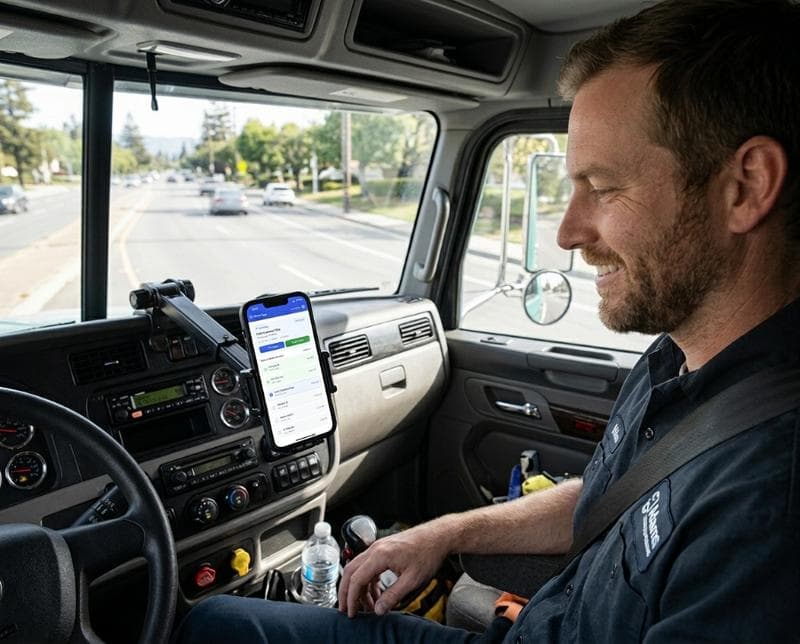
The Technology Reshaping Waste Hauling in 2025 and Beyond
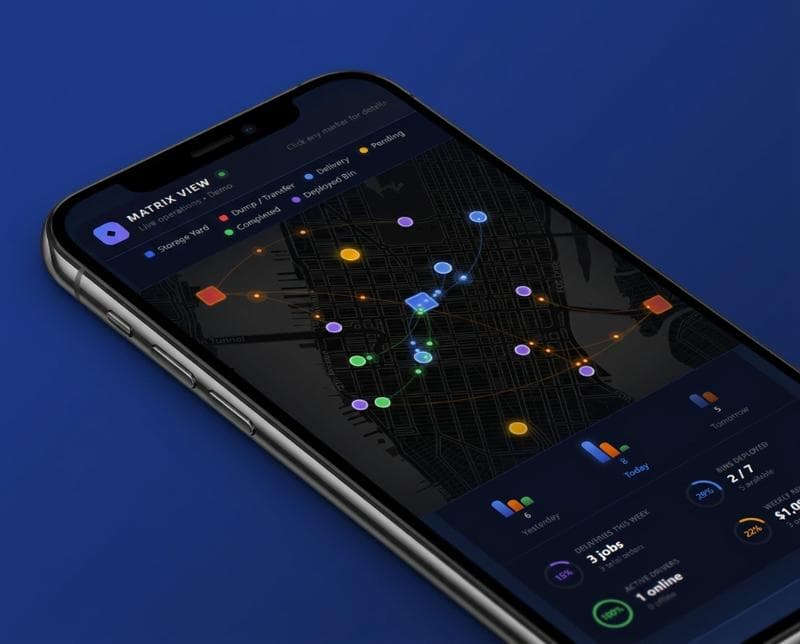
Waste Hauler Technology Trends Reshaping Operations in 2025 and Beyond