The Technology Reshaping Waste Hauling in 2025 and Beyond
The Shift from Reactive to Predictive Operations
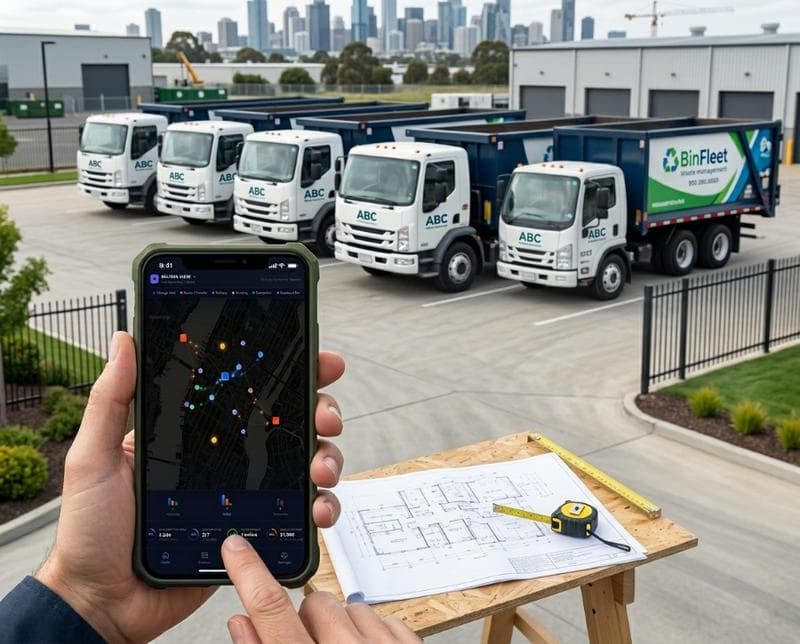
Waste hauling has historically run on reaction: a driver breaks down, you scramble to cover the route. A customer calls upset about missed service, you check your notes and apologize. A container sits empty for three days, tying up capital. In 2026, leading operators are moving past this model using predictive analytics and real-time visibility. Software platforms that combine GPS tracking, maintenance alerts, and demand forecasting let dispatchers optimize before problems occur. Instead of discovering a truck needs service when it fails, maintenance schedules now trigger based on engine data and usage patterns.
This shift fundamentally changes operations management. Predictive scheduling reduces emergency downtime by up to 30 percent, freeing trucks that would sit idle and keeping revenue flowing. Demand forecasting—powered by historical pickup data, seasonal trends, and customer behavior—lets you right-size your fleet and stage equipment where it's needed most. The result isn't just fewer headaches; it's a measurable ROI that justifies the software investment itself. Operators using these tools report faster service turnaround and higher container utilization, directly improving margins.
AI-Powered Routing and the Return on Every Mile
Route optimization isn't new, but AI-powered dynamic routing is fundamentally different from static planning spreadsheets. Traditional routing assumes routes are fixed; real AI adapts in real time based on traffic, new job orders, driver availability, and container inventory. This means fewer empty miles, faster turnaround times between stops, and drivers arriving at the right location on the right day. For operations dispatching dozens or hundreds of trucks daily, the compounding savings are enormous—some operators cut fuel costs by 15-20 percent while improving on-time delivery.
The practical impact plays out every single day. A dispatcher using AI routing sees that a sudden job pickup was entered in a different zone but can be efficiently squeezed into an existing route by shifting sequence. Customer wait times drop because the system finds the fastest safe path considering road conditions, vehicle capacity, and driver regulations. Drivers spend less time idling at traffic lights and more time completing billable work. Over a month, this efficiency compounds into significant fuel savings, fewer overtime hours, and improved driver satisfaction—all metrics that directly affect your bottom line.
Real-Time Customer Communication and Proof of Service
Customers no longer accept vague delivery windows or "it'll arrive sometime today." Modern waste customers want SMS updates, live tracking, and photographic proof that work was completed. Technology enabling this isn't luxury—it's now table stakes. Platforms like BinFleet automatically send customers status updates at key moments: container pickup scheduled, driver en route, job completed. This reduces customer service calls by 40 percent while increasing trust and retention. Proof of service documentation through photo capture and digital timestamps also eliminates payment disputes and provides accountability in the field.
Beyond customer satisfaction, this transparency transforms your operations. Dispatchers can confirm job completion in real time instead of waiting for handwritten notes. Billing becomes automated—the moment a job is marked complete with photo proof, it can trigger an invoice, accelerating cash flow. Drivers appreciate clear communication too; they know exactly where they're going and when, reducing confusion and missed stops. For operations scaling to multiple routes and yards, this level of visibility becomes mission-critical to maintaining service quality.
Sustainability Tracking and Regulatory Compliance
Environmental regulations are tightening across most markets, and waste operators need to prove compliance. Technology now makes tracking emissions, fuel consumption, and recycling diversion measurable and reportable. GPS data tied to vehicle specifics automatically calculates carbon footprint per route. Waste stream tracking—monitoring what gets recycled versus landfilled—helps operators meet sustainability goals and qualify for premium contracts with environmentally conscious clients. For many haulers, this data collection used to require manual spreadsheets; now it's automated and audit-ready.
The competitive angle here matters too. Major commercial customers and municipalities increasingly require vendors to report sustainability metrics. Operators with automated emissions and diversion tracking can respond to RFPs in days instead of weeks, positioning themselves to win larger contracts. Some regions offer tax incentives or grant programs for fleets that reduce emissions—software documentation helps operators access these programs. In 2026, sustainability tracking isn't just good PR; it's becoming a revenue and compliance lever.
Mobile-First Dispatch and Driver Empowerment
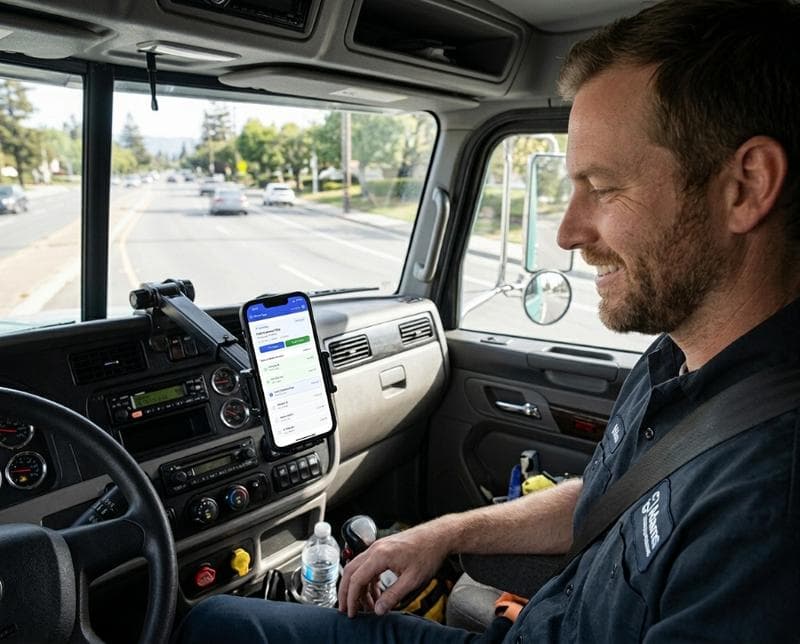
Drivers are no longer silent field workers. Modern dispatch platforms put route information, customer details, equipment specs, and live communication directly in drivers' hands via mobile apps. A driver can see why a certain container needs special handling, access the customer's service history, and report problems in real time without waiting for the office to open. This shift from radio dispatch to mobile-first operations reduces confusion, improves safety, and accelerates problem-solving. Driver experience has also become a recruiting and retention tool—younger, skilled drivers prefer working for operators with modern tech over those still using paper manifests and phone calls.
The operational gains are tangible. Drivers complete jobs faster because they have all the context they need without calling dispatch. Safety incidents drop when drivers can easily report hazards or near-misses through the app instead of waiting. Equipment tracking becomes transparent—drivers can't accidentally leave a container at the wrong location because the system confirms location before they can mark a job complete. For multi-yard operations and companies running night routes, mobile dispatch eliminates the chaos of trying to reach someone at 2 AM.
Integrated Payment Processing and Automated Billing
Cash flow is king in waste operations, and manual invoicing is a brake on growth. Integrated payment platforms within dispatch software automatically generate invoices the moment a job is completed, then offer customers multiple payment methods—card, ACH, or check. This acceleration of invoice-to-payment cycle can improve cash flow by 15-30 days, a massive advantage for working capital. Subscription customers can be auto-billed on a set schedule, and one-time jobs create invoices instantly. Late-payment tracking and automated reminders reduce bad debt and free up time from accounting teams who used to spend hours chasing payments.
The ecosystem matters here too. Platforms like BinFleet integrate with accounting software, eliminating duplicate data entry and reducing errors. Operators gain real-time financial visibility—you can see revenue booked, collected, and outstanding by day, week, or yard. This data clarity lets you make pricing adjustments and capacity decisions faster. For franchised or multi-operator setups, automated invoicing with center-specific reporting ensures each location is tracked fairly and profitably.
Frequently Asked Questions
What technology should we implement first if we're starting from scratch?
Start with GPS tracking and dispatch optimization. These two pieces solve your most painful problem immediately—knowing where trucks are and optimizing routes saves fuel and improves on-time performance within weeks. Once dispatch is solid, layer in customer communication and automated billing next. See how BinFleet handles this workflow in an interactive demo tailored to your operation size.
How much does waste hauling software actually cost versus the savings it delivers?
Most platforms range from $500 to $3,000 monthly depending on fleet size and features. A 15-truck operation typically sees ROI in 3-4 months through fuel savings, reduced downtime, and faster billing. Larger fleets with 50+ vehicles often achieve payback in 6-8 weeks. The key is measuring baseline costs—fuel per mile, billing cycle time, customer call volume—before implementation so you can quantify savings accurately.
Will technology eliminate dispatcher and driver jobs?
No; it shifts roles. Dispatchers move from reactive task-assignment to strategic planning and problem-solving—managing capacity, identifying growth opportunities, coaching driver performance. Drivers shift from navigation and confusion to skilled service execution. Both roles become higher-value, and skilled staff actually become more attractive to retain. The jobs that disappear are repetitive administrative work, not skilled positions.
How important is sustainability tracking for small to mid-sized operators?
Increasingly critical. Even mid-sized haulers (20-40 trucks) are now required by commercial customers to report emissions or diversion metrics. Having this data automated and ready accelerates contract wins and can unlock grant funding in some regions. If you're not tracking it now, you'll be scrambling to collect it manually when a major customer asks.
Implementing Technology Without Killing Your Current Operations
The biggest fear operators have isn't the cost of software—it's disruption during implementation. The good news: modern platforms are built to run alongside your current system, allowing a phased transition. Start with data import and soft testing while your team still uses old systems. Once drivers are comfortable with mobile apps and dispatch is confident in routing recommendations, you cut over completely. Most operators report their team is productive on new software within two weeks, and full optimization takes about a month.
Change management is real though. Drivers and dispatchers who've done things the same way for years might resist. The solution is showing them tangible benefits early: drivers see fewer missed turns and faster job completion, dispatchers see fewer calls and complaints. Offering optional training sessions and a support hotline during the first month removes friction. Operators who invest in adoption typically see faster payback and higher long-term satisfaction. Our blog has several case studies on smooth implementations you can reference during planning.
Ready to Streamline Your Operation?
See how BinFleet AI helps waste haulers save time, cut costs, and grow.
Request a Free 30-Day Trial