Technology Trends Transforming Waste Hauling Operations in 2026
The waste hauling industry stands at an inflection point in 2026, where technology adoption has shifted from optional to essential for competitive survival. Operators who embrace these emerging trends are seeing dramatic improvements in efficiency, cost control, and customer satisfaction, while those who resist risk being left behind in an increasingly demanding marketplace.
Modern waste hauling technology goes far beyond simple GPS tracking or basic scheduling software. Today's innovations integrate artificial intelligence, predictive analytics, and mobile-first design to solve the complex operational challenges that have plagued the industry for decades. Understanding and implementing these trends isn't just about staying current—it's about building a sustainable, profitable operation that can adapt to future challenges.
AI-Powered Route Optimization Revolutionizes Daily Operations
Artificial intelligence has fundamentally transformed how waste haulers approach route planning, moving beyond static schedules to dynamic optimization that adapts in real-time. Modern AI systems analyze traffic patterns, customer service history, truck capacity, driver preferences, and even weather conditions to create routes that minimize fuel consumption while maximizing service efficiency. This technology can reduce route times by 20-30% and significantly lower operational costs through optimized fuel usage and reduced vehicle wear.
The most advanced systems learn from historical data to predict optimal service windows and automatically adjust routes when customers request schedule changes or when unexpected delays occur. These AI-driven platforms can also balance workloads across drivers, reducing overtime costs while ensuring consistent service levels. Companies implementing comprehensive AI route optimization report improved driver satisfaction alongside operational savings, creating a positive feedback loop that enhances overall performance.
Predictive Maintenance Prevents Costly Breakdowns
Equipment downtime represents one of the largest hidden costs in waste hauling operations, but predictive maintenance technology is changing how operators manage their fleets. Advanced sensors monitor engine performance, hydraulic systems, tire pressure, and other critical components in real-time, identifying potential failures before they occur. This proactive approach allows maintenance teams to schedule repairs during planned downtime rather than dealing with emergency breakdowns that disrupt service and create customer dissatisfaction.
The financial impact of predictive maintenance extends beyond avoiding emergency repairs. By optimizing maintenance schedules based on actual equipment condition rather than arbitrary time intervals, operators can extend equipment life and reduce unnecessary service costs. Fleet managers using predictive maintenance systems report 25-40% reductions in maintenance expenses and significant improvements in vehicle uptime, directly translating to better service reliability and increased revenue potential.
Mobile-First Platforms Empower Field Operations
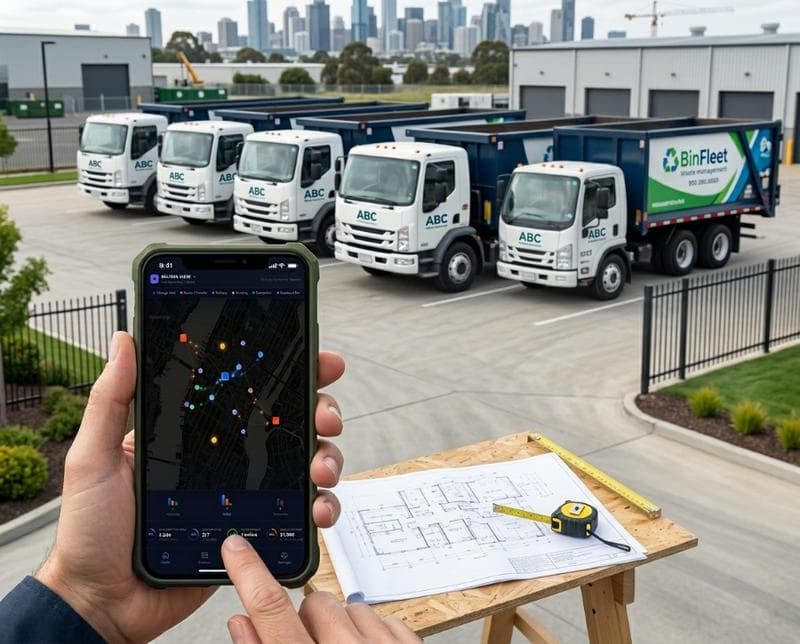
The shift toward mobile-first technology design has revolutionized how drivers, dispatchers, and managers interact with operational systems throughout their workday. Modern waste hauling platforms prioritize mobile functionality, ensuring that critical features work seamlessly on smartphones and tablets even in areas with limited connectivity. Drivers can update service status, capture photos of problem containers, communicate with dispatch, and access route information without returning to base or making phone calls that interrupt their workflow.
This mobile-centric approach extends beyond driver applications to encompass customer interactions and management oversight. Customers expect real-time updates about service windows and can communicate directly through mobile platforms, reducing call volume to dispatch centers. Managers can monitor fleet performance, approve schedule changes, and respond to operational issues from anywhere, enabling more responsive decision-making and improved customer service. The result is a more connected operation where information flows efficiently between all stakeholders.
Smart Container Technology Transforms Service Models
Internet of Things (IoT) sensors embedded in containers and dumpsters are creating new possibilities for waste hauling service models. These smart containers monitor fill levels, providing accurate data about when service is actually needed rather than relying on fixed schedules. This technology enables operators to transition from time-based service to demand-based service, optimizing routes around actual need and reducing unnecessary trips to containers that aren't full.
Beyond fill-level monitoring, smart containers can detect contamination issues, unauthorized usage, and maintenance needs. This data helps operators provide better customer education, prevent service disruptions, and optimize container placement strategies. The technology also supports new pricing models based on actual usage rather than estimated needs, creating more transparent and fair billing relationships with customers while improving operational efficiency.
Integrated Customer Communication Systems
Customer expectations for communication and transparency have evolved significantly, pushing waste haulers to adopt integrated communication systems that provide real-time updates and multiple contact channels. Modern platforms automatically send SMS notifications about service delays, schedule changes, and billing updates, reducing customer service calls and improving satisfaction. These systems can also handle routine customer requests through automated responses, freeing up staff to focus on complex issues that require human attention.
The most effective communication systems integrate with operational software to provide accurate, real-time information rather than generic updates. When a route runs behind schedule, customers automatically receive updated service windows. When weather delays service, affected customers get immediate notifications with rescheduled dates. This level of transparency builds trust and reduces the operational burden of managing customer expectations during disruptions.
Data Analytics Drive Strategic Decision Making
Comprehensive data analytics platforms are transforming how waste hauling companies understand their operations and make strategic decisions. These systems aggregate information from routes, customer interactions, equipment performance, and financial metrics to identify trends and opportunities that weren't visible with traditional reporting methods. Operators can analyze profitability by customer, route efficiency over time, and seasonal patterns to optimize pricing and service strategies.
Advanced analytics also enable benchmarking against industry standards and identifying specific areas for improvement. Companies can track key performance indicators like cost per stop, customer retention rates, and equipment utilization to make data-driven decisions about expansion, equipment purchases, and operational changes. This analytical approach helps operators move from reactive management to proactive planning, positioning their businesses for sustainable growth in an increasingly competitive market.
The technology landscape for waste hauling continues evolving rapidly, but operators who embrace these trends position themselves for long-term success. Companies considering technology upgrades should focus on platforms that integrate multiple capabilities rather than piecemeal solutions that create operational silos. Exploring comprehensive solutions helps operators understand how these technologies work together to transform their operations. For more insights on operational improvements, visit our blog for the latest industry analysis and best practices.
Frequently Asked Questions
How much should waste haulers expect to invest in new technology?
Technology investment varies significantly based on operation size and current systems, but most operators see positive ROI within 12-18 months. Start with core operational software that integrates dispatch, routing, and customer management, then add advanced features like AI optimization and predictive maintenance as operations scale.
Can small waste hauling companies benefit from advanced technology?
Absolutely. Many modern platforms offer scalable solutions that provide enterprise-level features at costs appropriate for smaller operations. Cloud-based systems eliminate large upfront infrastructure costs, and mobile-first designs mean small companies can compete on service quality with larger competitors.
What's the biggest mistake operators make when adopting new technology?
The most common mistake is implementing too many separate systems that don't communicate with each other. Choose integrated platforms that handle multiple functions rather than buying specialized tools for each task. This approach reduces training time, eliminates data silos, and provides better overall operational visibility.
How important is employee training when implementing new technology?
Employee adoption determines technology success more than the features themselves. Plan for comprehensive training that goes beyond basic system operation to explain how the technology improves their daily work. Involve key employees in the selection process and provide ongoing support to ensure sustained adoption and maximum benefit realization.
Ready to Streamline Your Operation?
See how BinFleet AI helps waste haulers save time, cut costs, and grow.
Request a Free 30-Day Trial