5 Technology Trends Transforming Waste Hauling Operations in 2026
The waste hauling industry has traditionally relied on manual processes and experience-based decision making, but 2026 marks a pivotal shift toward technology-driven operations. Forward-thinking waste haulers are embracing digital solutions that streamline everything from dispatch to customer billing, creating significant competitive advantages in an increasingly demanding market.
This technological transformation isn't just about adopting new tools—it's about fundamentally reimagining how waste hauling businesses operate. Companies that understand and implement these trends will find themselves better positioned to handle growing customer expectations, regulatory requirements, and operational challenges while maintaining healthy profit margins.
AI-Powered Route Optimization Reduces Fuel Costs by 25%
Artificial intelligence is revolutionizing how waste haulers plan and execute their daily routes, with advanced algorithms analyzing traffic patterns, container locations, and historical data to create optimal driving sequences. Modern AI systems consider dozens of variables simultaneously, including driver break schedules, vehicle capacity, fuel efficiency, and real-time traffic conditions to generate routes that minimize both time and fuel consumption. The result is a dramatic reduction in operational costs, with many haulers reporting fuel savings of 20-30% after implementing AI-powered routing solutions.
Beyond cost savings, AI routing systems adapt dynamically throughout the day, automatically rerouting drivers around unexpected obstacles like road closures or emergency pickups. This flexibility ensures that service levels remain high even when disruptions occur, while the continuous learning capabilities mean routes become more efficient over time as the system gathers more operational data. Companies using AI routing report improved driver satisfaction as well, since optimized routes reduce stress and overtime while making daily schedules more predictable.
Smart Container Sensors Eliminate Unnecessary Pickups
Internet of Things (IoT) sensors installed in dumpsters and containers are providing unprecedented visibility into fill levels, allowing haulers to move from fixed schedules to demand-based service models. These wireless sensors use ultrasonic or camera technology to monitor container contents in real-time, transmitting data to central management systems that automatically schedule pickups only when containers reach predetermined thresholds. This shift from calendar-based to fill-level-based routing eliminates the waste of servicing half-empty containers while ensuring full containers never overflow.
The operational benefits extend far beyond pickup optimization, as sensor data provides valuable insights into customer usage patterns, seasonal fluctuations, and service area trends. Haulers can use this information to right-size container deployments, identify opportunities for service upgrades, and even predict when customers might need temporary additional capacity during busy periods. The technology also reduces customer complaints about overflowing containers while creating new revenue opportunities through data-driven service recommendations.
Automated Billing Systems Reduce Administrative Overhead
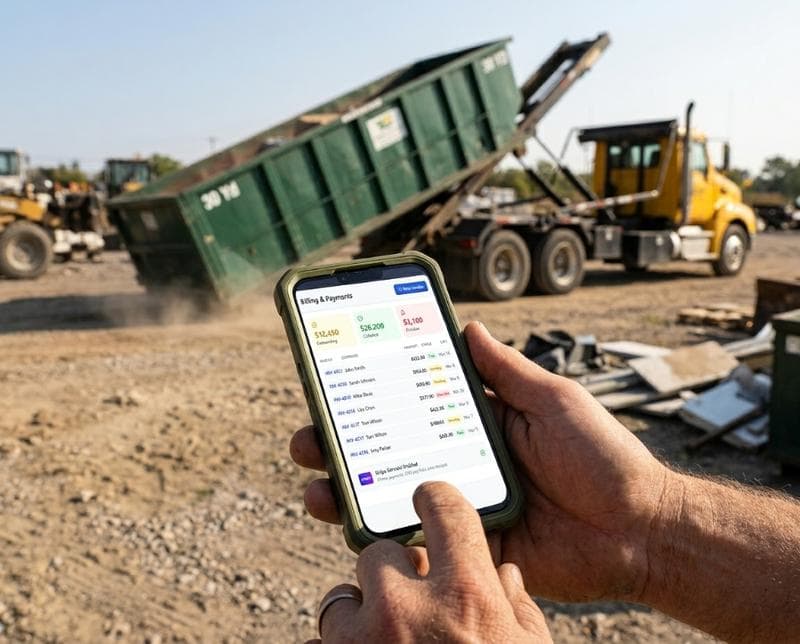
Digital billing automation has evolved from simple invoice generation to comprehensive revenue management systems that handle everything from service tracking to payment processing with minimal human intervention. Modern automated billing platforms integrate directly with route management systems, GPS tracking, and customer portals to create accurate invoices based on actual services performed rather than estimated schedules. This accuracy eliminates billing disputes while ensuring haulers capture revenue for every service provided, including emergency pickups and additional containers.
The administrative time savings are substantial, with many operations reducing billing-related staff time by 60-80% while improving invoice accuracy and customer satisfaction. Automated systems can handle complex pricing structures, apply discounts and surcharges appropriately, send payment reminders, and even process partial payments without manual intervention. Integration with comprehensive management platforms creates seamless workflows where service completion automatically triggers billing processes, reducing the lag time between service delivery and payment collection.
Fleet Telematics Optimize Driver Performance and Safety
Advanced fleet telematics systems now provide granular insights into driver behavior, vehicle performance, and route execution that enable data-driven improvements in both efficiency and safety. Modern telematics platforms monitor everything from harsh braking and acceleration patterns to idle time and route adherence, creating detailed performance profiles that help identify training opportunities and recognize top performers. This visibility allows dispatchers to provide real-time coaching and support while building accountability throughout the driver fleet.
Vehicle maintenance has become predictive rather than reactive, with telematics systems monitoring engine performance, hydraulic system pressure, and component wear patterns to schedule maintenance before breakdowns occur. This proactive approach reduces unexpected repairs, extends vehicle lifespan, and ensures trucks remain available for service rather than sitting in repair shops. Safety improvements are equally significant, with telematics data helping reduce accidents, lower insurance costs, and demonstrate regulatory compliance during inspections.
Customer Self-Service Portals Improve Satisfaction
Digital customer portals have evolved from simple account access tools to comprehensive self-service platforms that handle scheduling, billing inquiries, service modifications, and communication without requiring phone calls or emails. Customers can now schedule additional pickups, modify service levels, view billing history, and track service completion in real-time through user-friendly web and mobile interfaces. This convenience has become a significant competitive differentiator, particularly among commercial customers who value the ability to manage waste services alongside their other business operations.
The operational benefits for haulers are equally compelling, as self-service capabilities reduce customer service workload while improving response times and accuracy. Automated scheduling systems integrated with customer portals can immediately confirm availability and update route schedules, eliminating the back-and-forth communication that traditionally surrounds service changes. Data collected through customer portals also provides valuable insights into usage patterns and service preferences that can inform business development and operational planning decisions.
Integration Platforms Unite Fragmented Systems
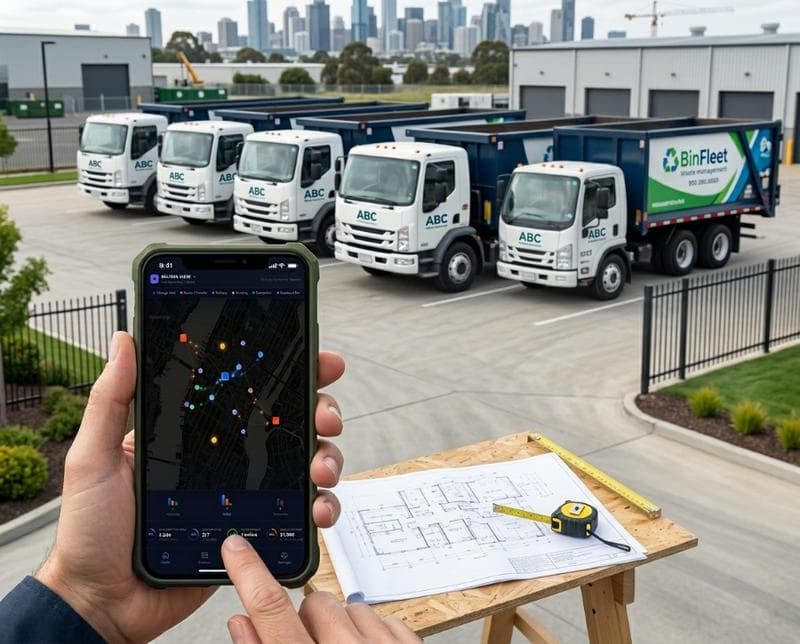
The challenge of managing multiple software systems for different operational functions is being solved through comprehensive integration platforms that connect routing, billing, customer management, and fleet tracking into unified workflows. Rather than forcing dispatchers to juggle separate systems for scheduling, driver communication, and invoice generation, integrated platforms create seamless data flow that eliminates duplicate entry and reduces errors. This consolidation significantly improves operational efficiency while providing managers with holistic visibility into business performance.
Modern integration platforms like BinFleet are designed specifically for waste hauling operations, understanding the unique requirements of container tracking, route optimization, and customer communication that generic business software cannot address effectively. These specialized solutions reduce training time, improve user adoption, and provide industry-specific features that create immediate operational improvements. Companies using integrated platforms report faster decision-making, improved customer service, and better financial visibility compared to those managing multiple disconnected systems.
Frequently Asked Questions
How much should a mid-size hauler expect to invest in new technology?
Technology investments typically range from $50-200 per truck per month for comprehensive platforms, with many solutions offering scalable pricing based on fleet size. Most haulers see positive ROI within 6-12 months through fuel savings, reduced administrative costs, and improved operational efficiency. The key is choosing solutions that integrate well together rather than purchasing multiple standalone tools that create workflow complications.
Will implementing new technology require extensive staff training?
Modern waste hauling platforms prioritize user-friendly interfaces that minimize training requirements, with most drivers and office staff becoming productive within a few days. However, successful implementation does require management commitment to change management and ongoing support for staff during the transition period. Companies that invest in proper training and implementation support typically see much higher adoption rates and faster results.
How do technology solutions handle compliance and regulatory reporting?
Advanced waste management platforms automatically track and document compliance-related activities, generating reports for regulatory agencies and maintaining audit trails for safety inspections. Many systems include built-in compliance monitoring that alerts managers to potential violations before they become problems. This automated approach reduces compliance workload while providing better protection against regulatory issues and associated penalties.
Can smaller operations benefit from these technologies or are they only for large companies?
Technology solutions have become increasingly accessible to smaller operations, with cloud-based platforms offering affordable entry points that don't require significant upfront investment. Many smaller haulers actually see greater relative benefits because they can eliminate manual processes that consume disproportionate administrative time. The key is selecting solutions that match operational complexity rather than trying to implement enterprise-level systems that exceed actual needs.
Ready to explore how modern technology can transform your waste hauling operations? Schedule a demo to see these trends in action, or visit our blog for more insights on optimizing your hauling business.
Ready to Streamline Your Operation?
See how BinFleet AI helps waste haulers save time, cut costs, and grow.
Request a Free 30-Day Trial